Offer
Provide additional details about the offer you're running.
FLASHSALE


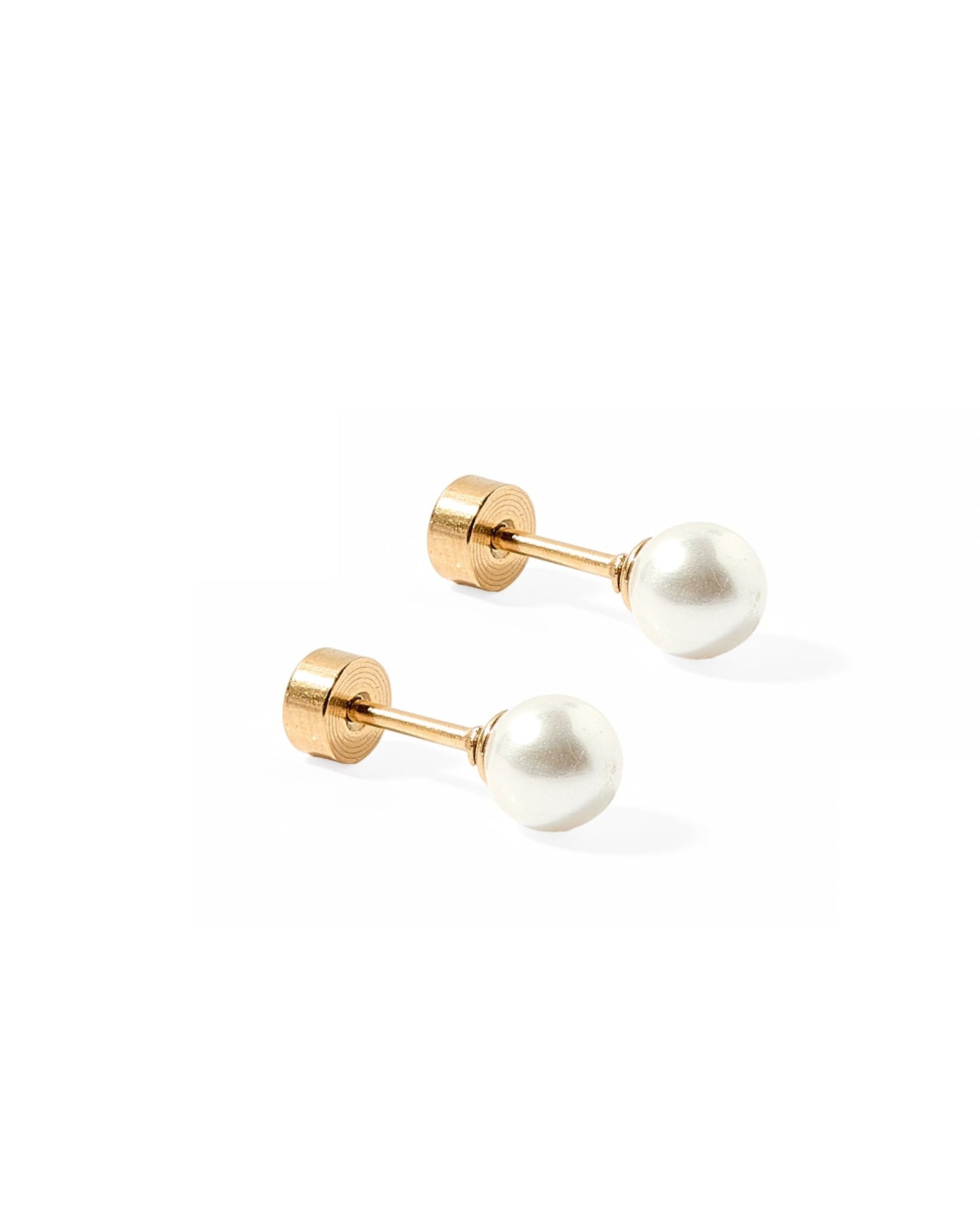
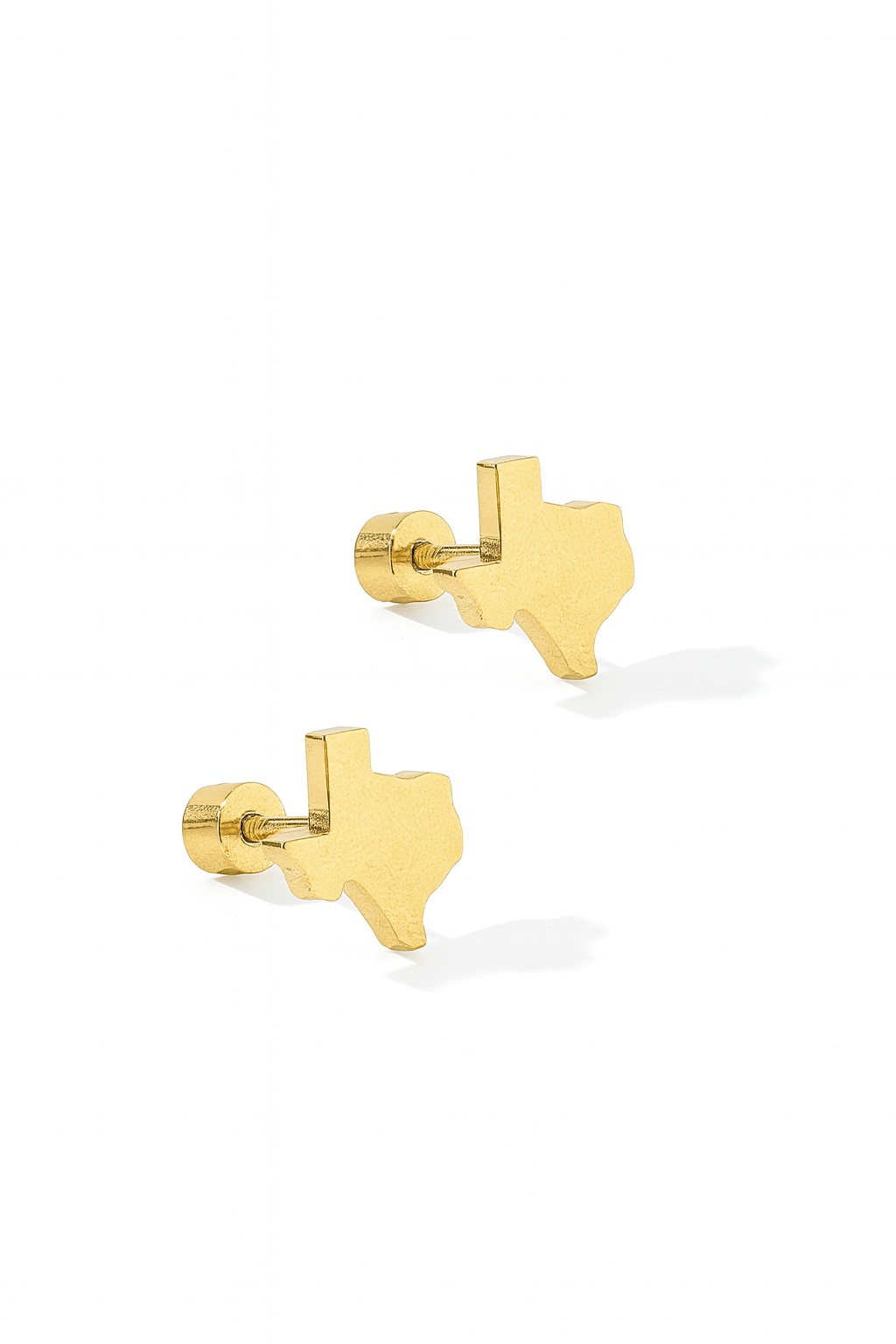
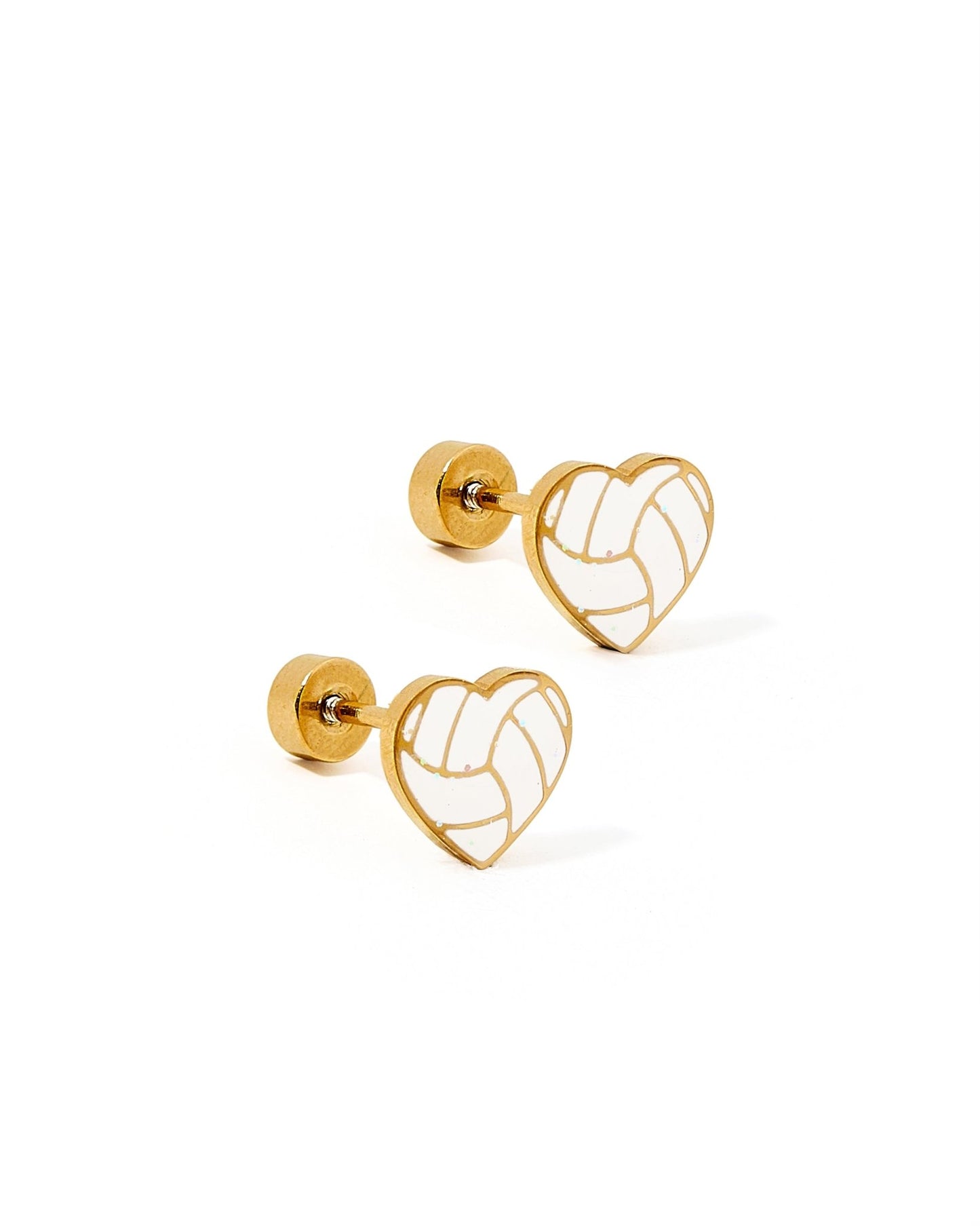
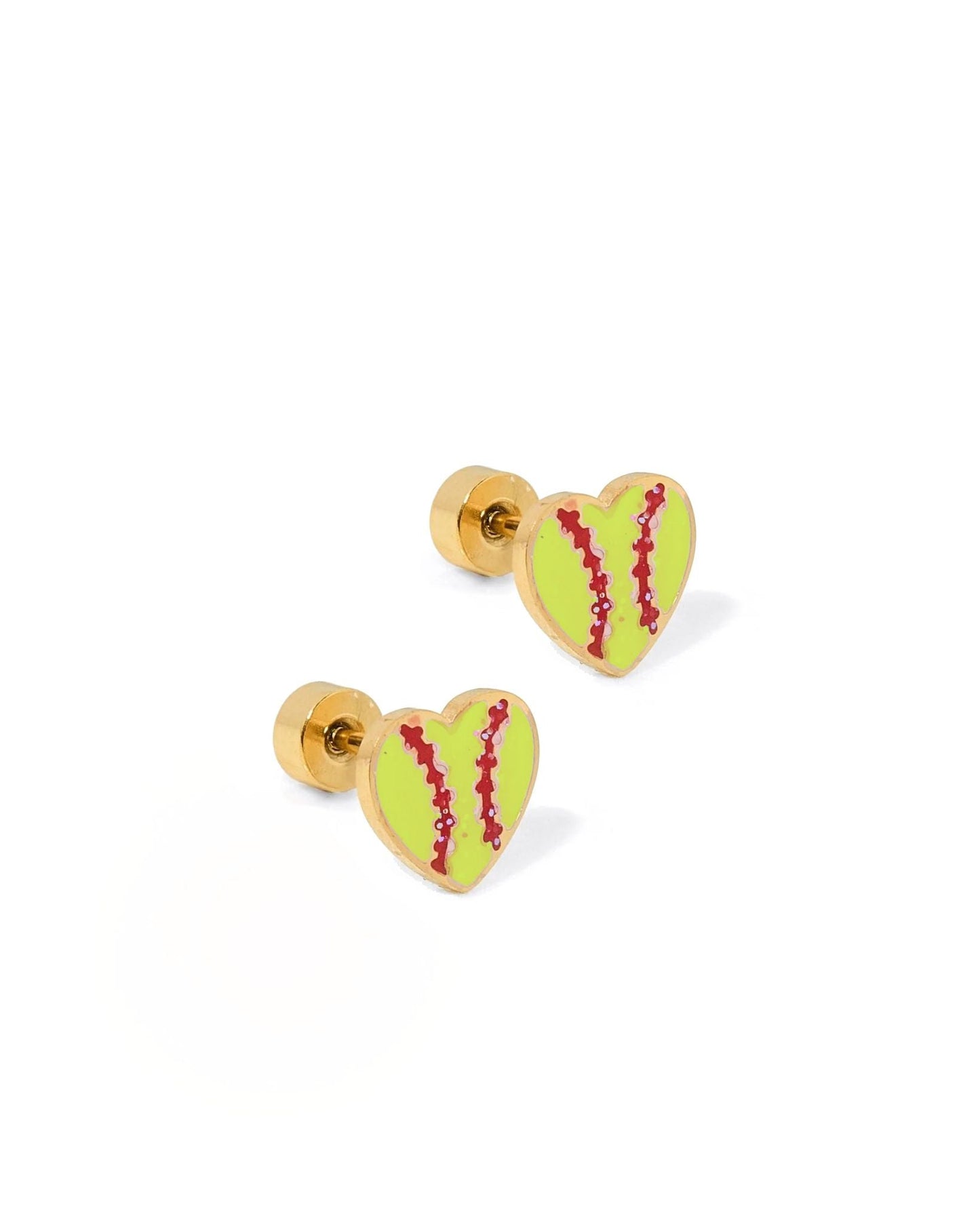
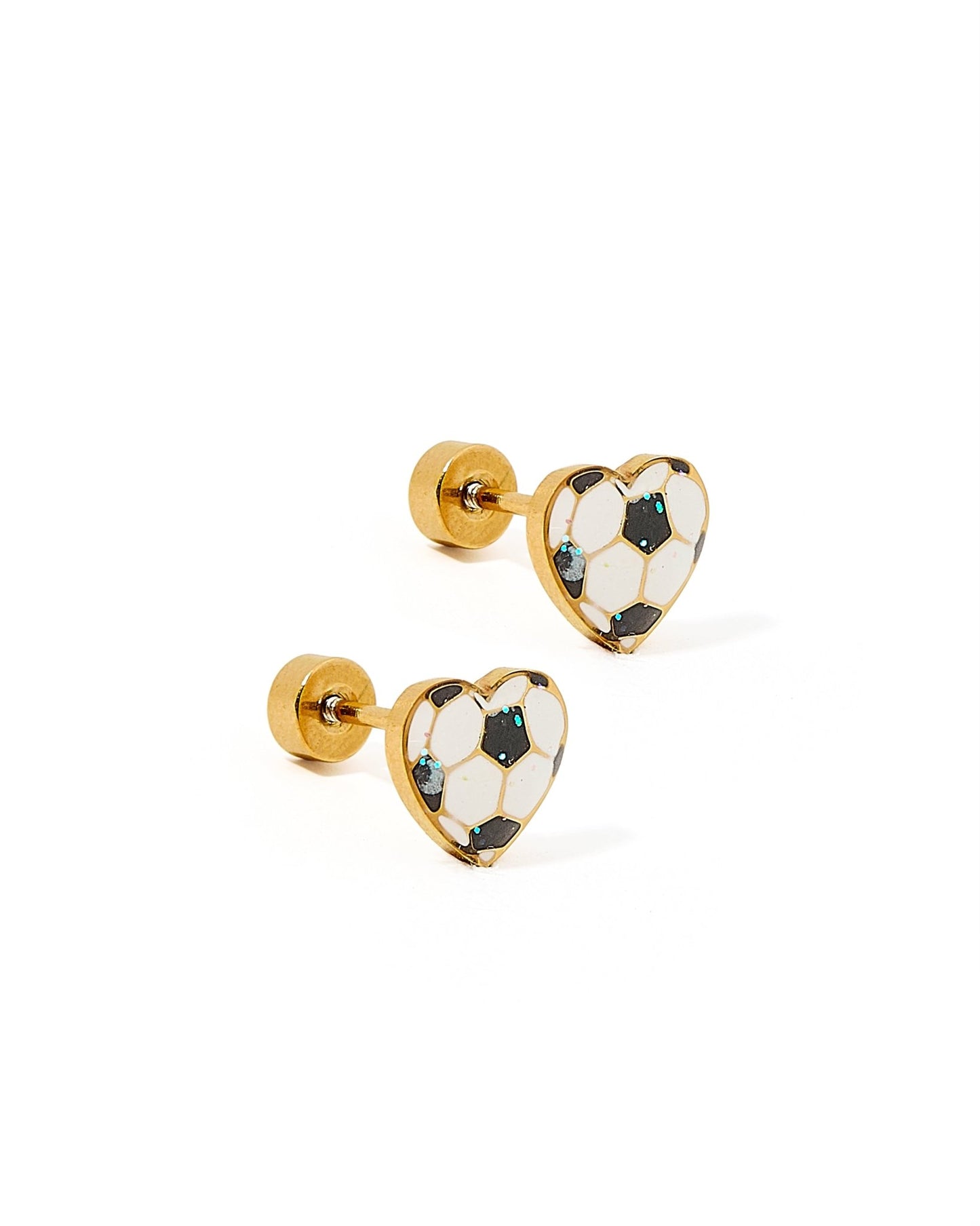
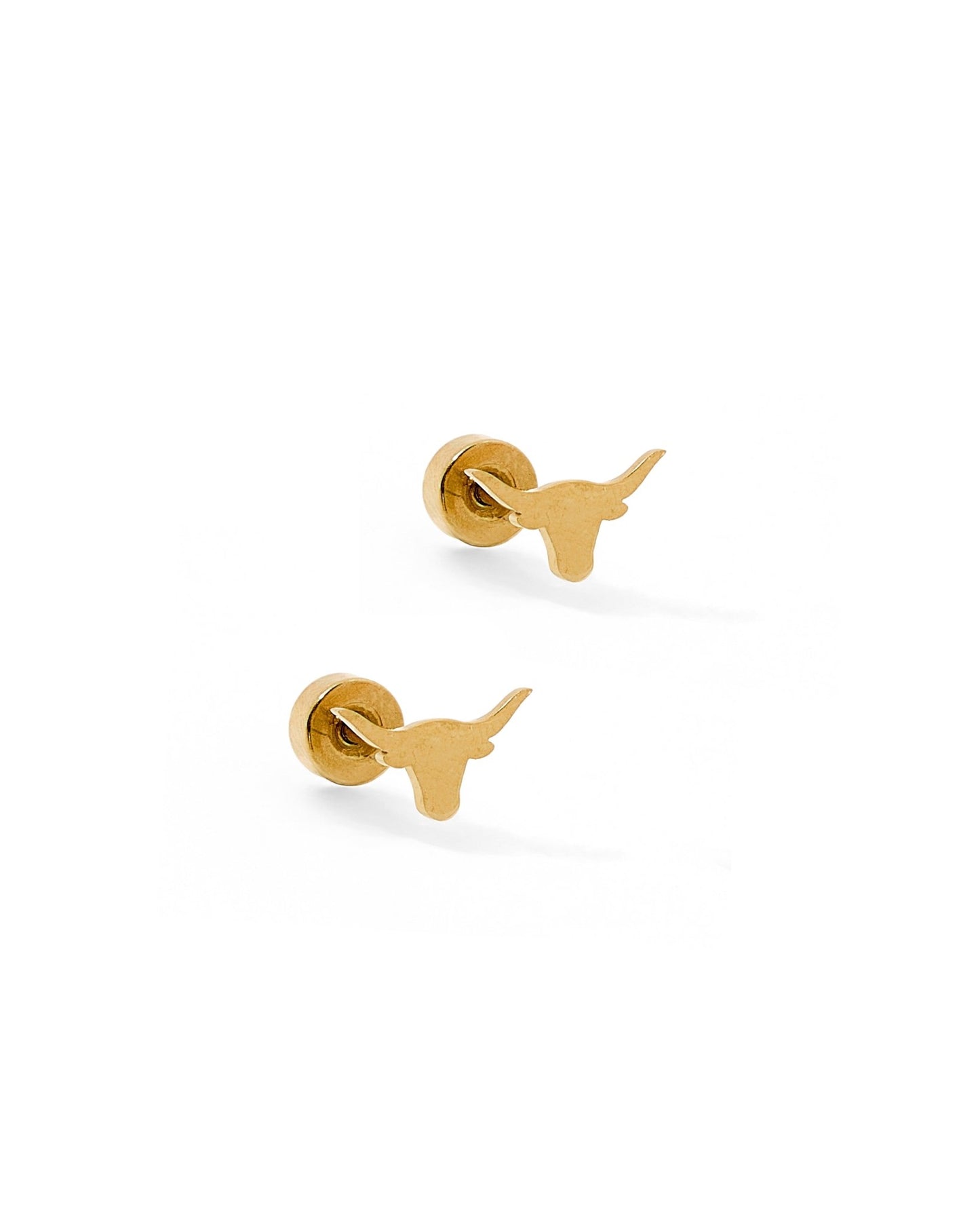
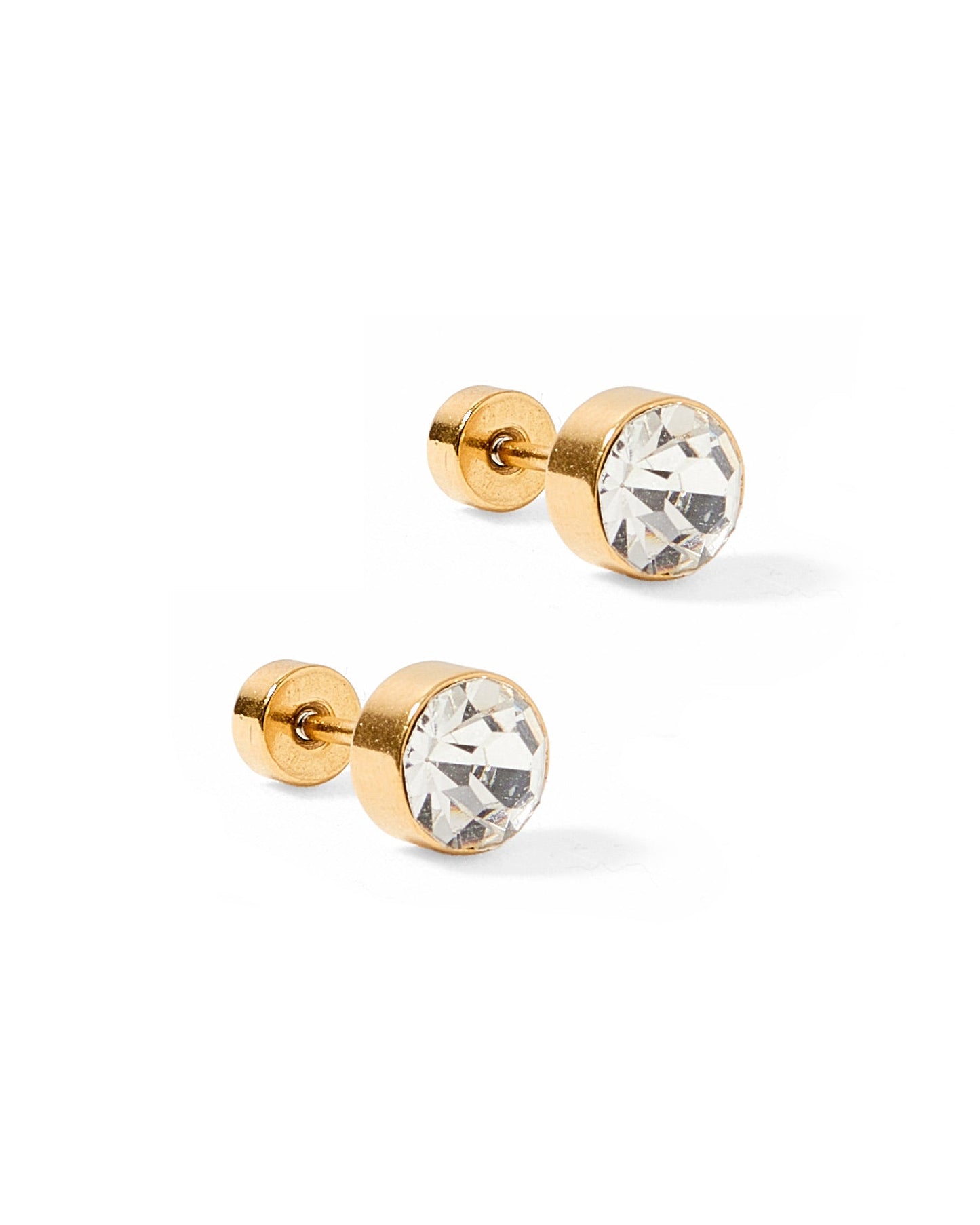
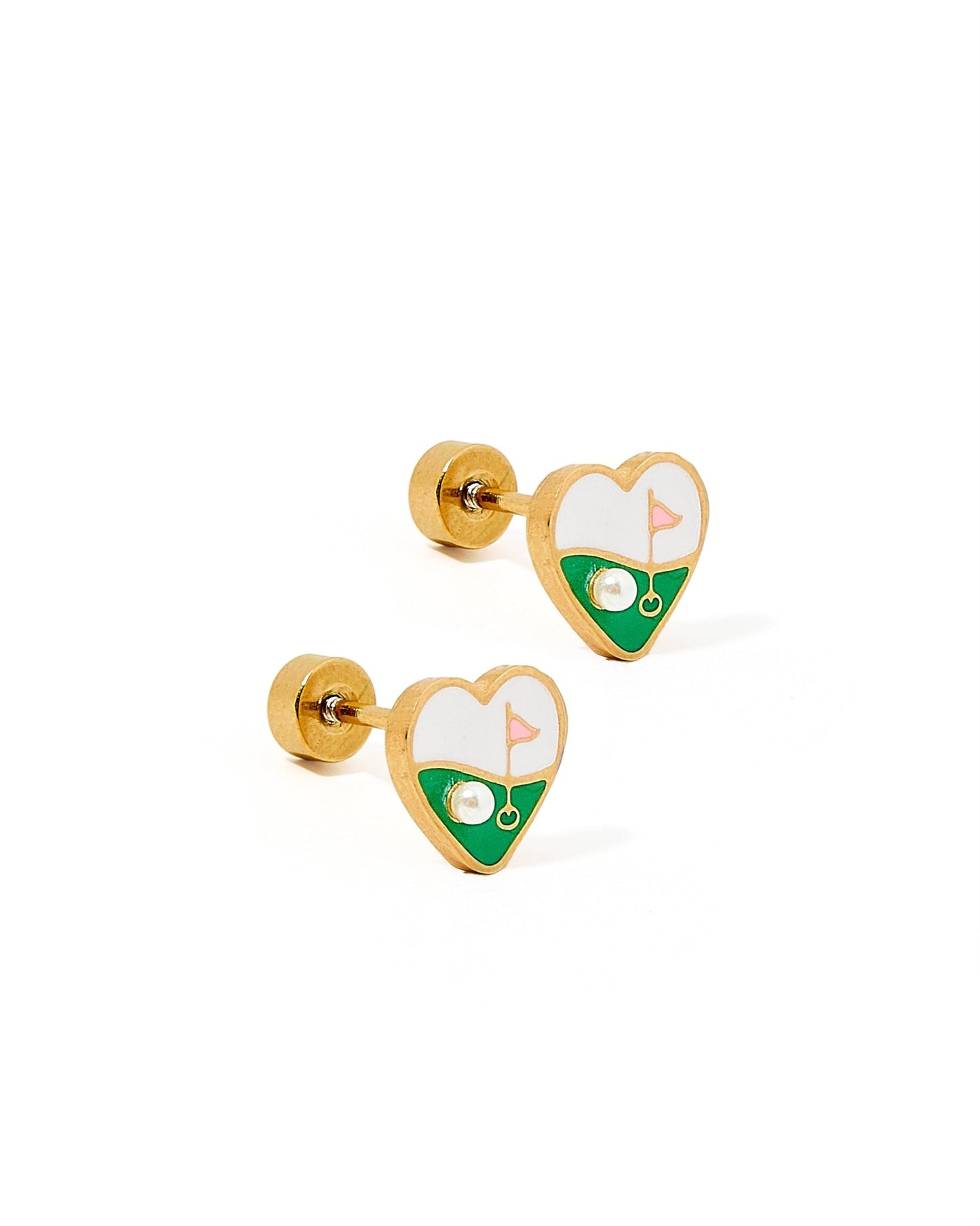
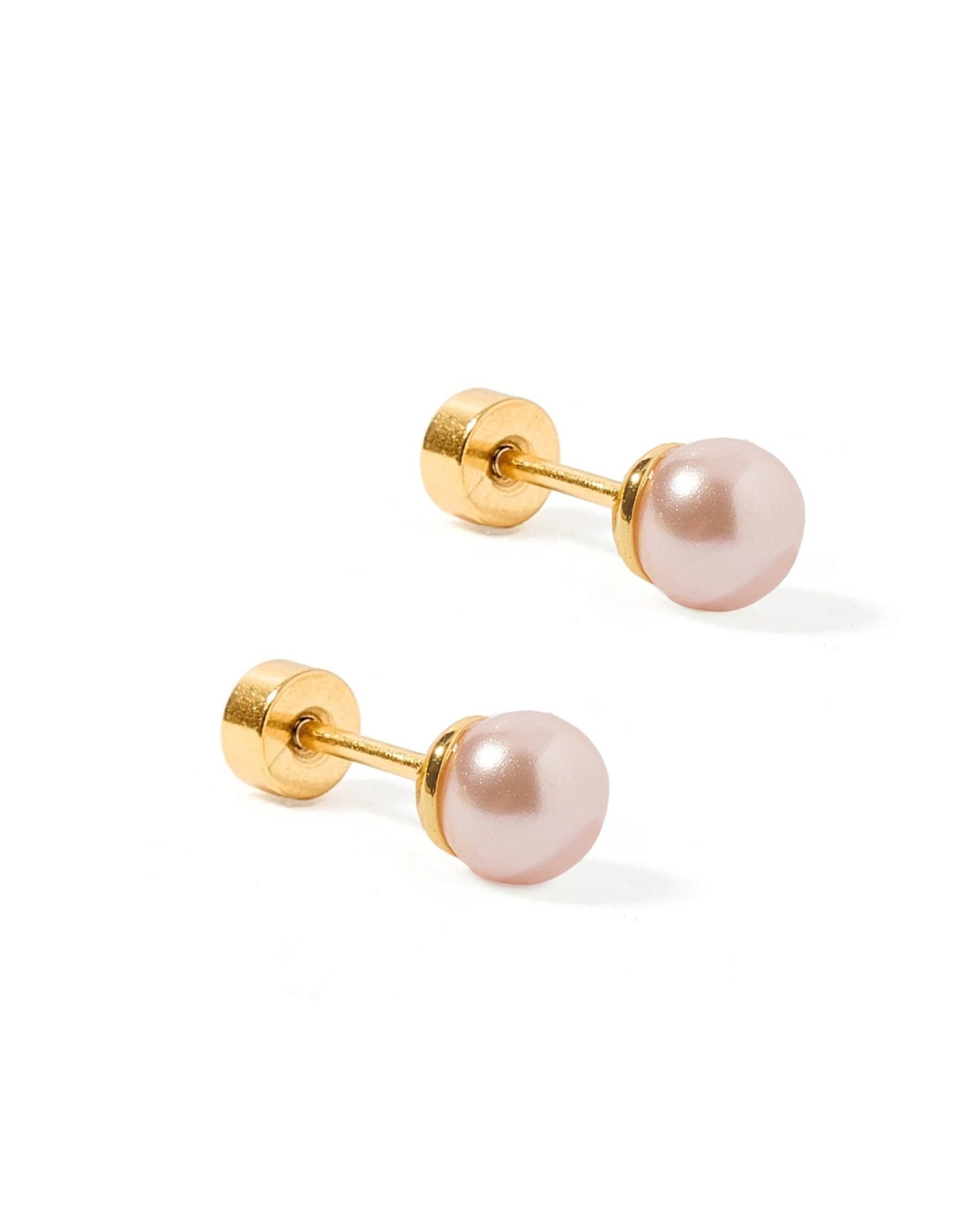
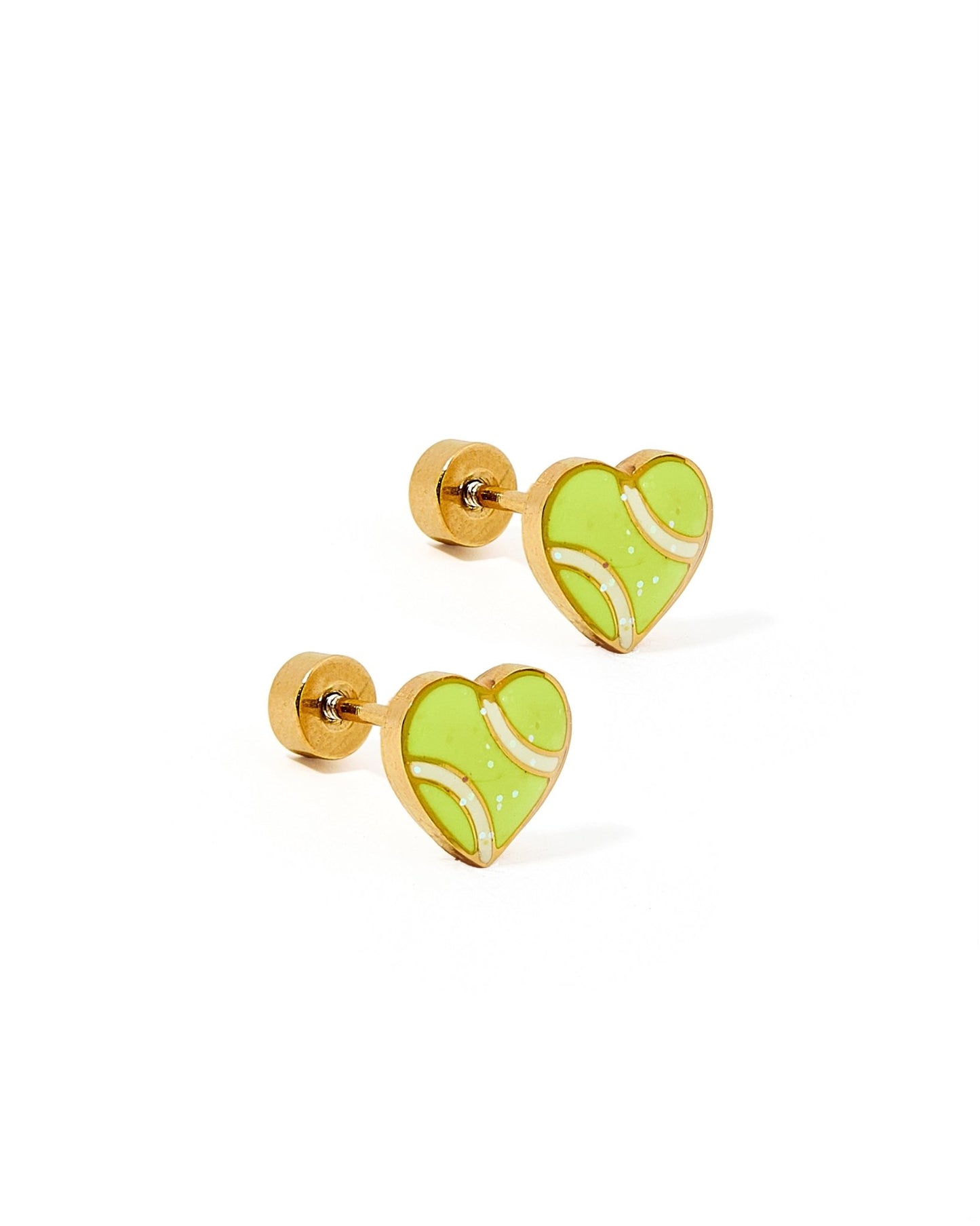
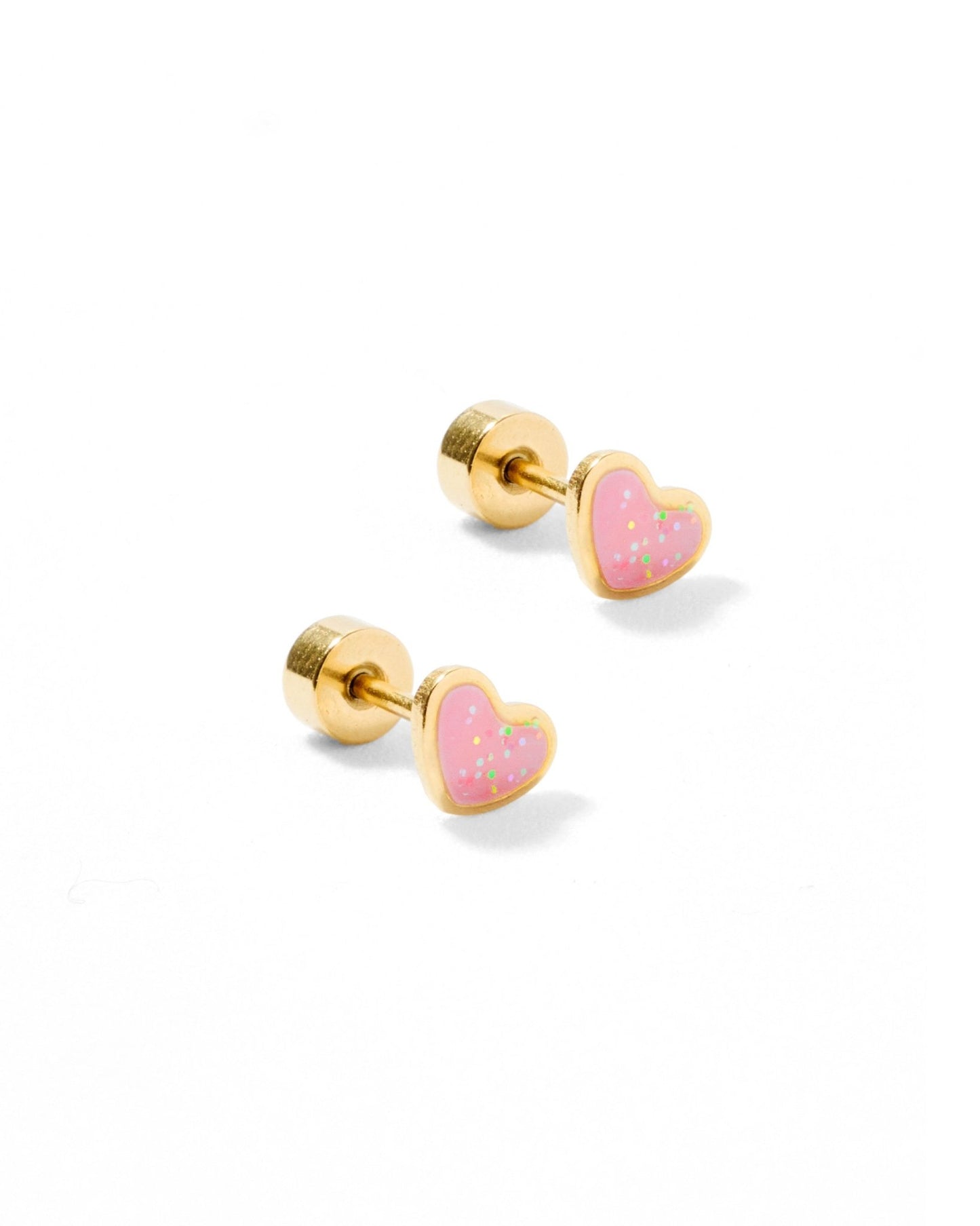
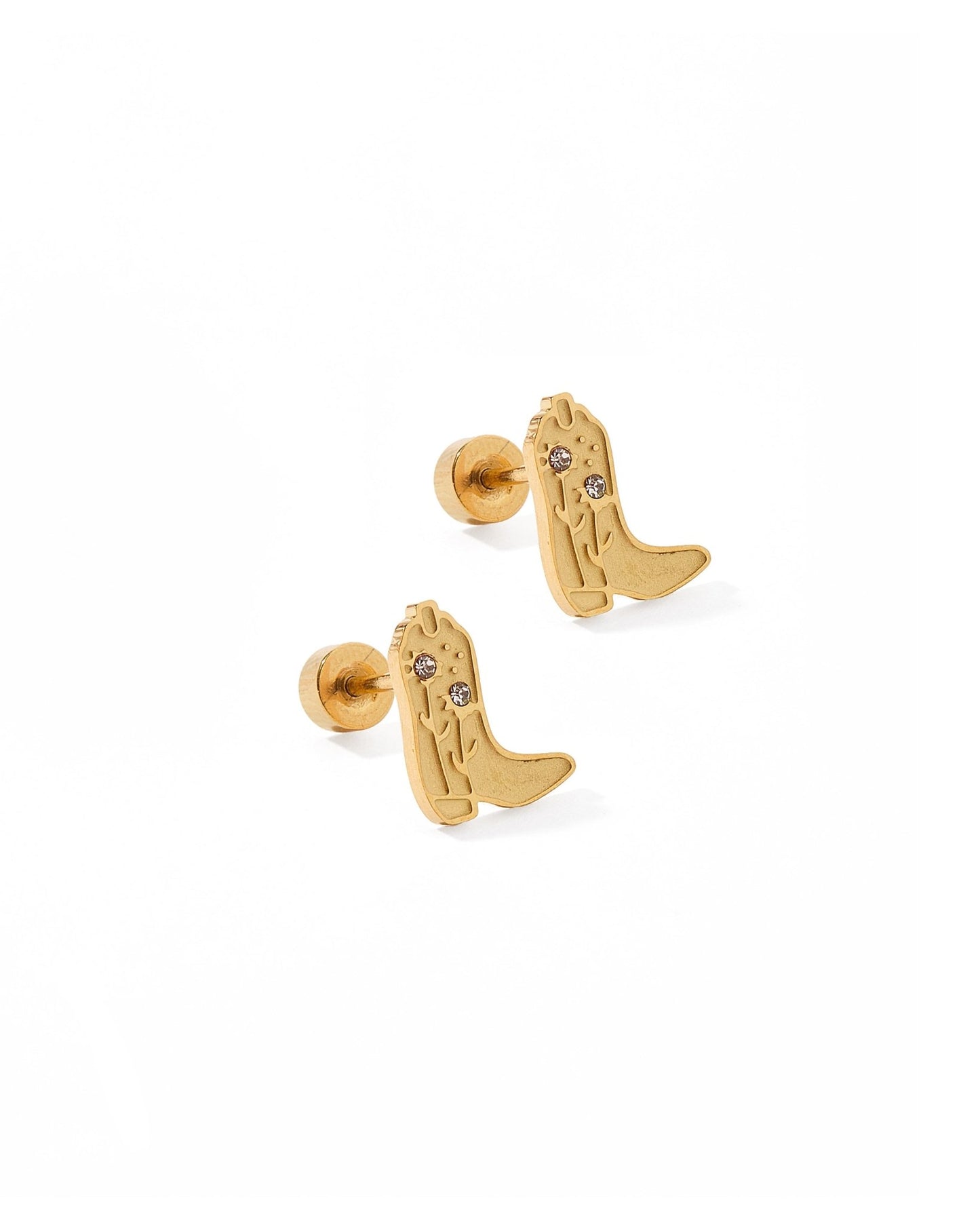
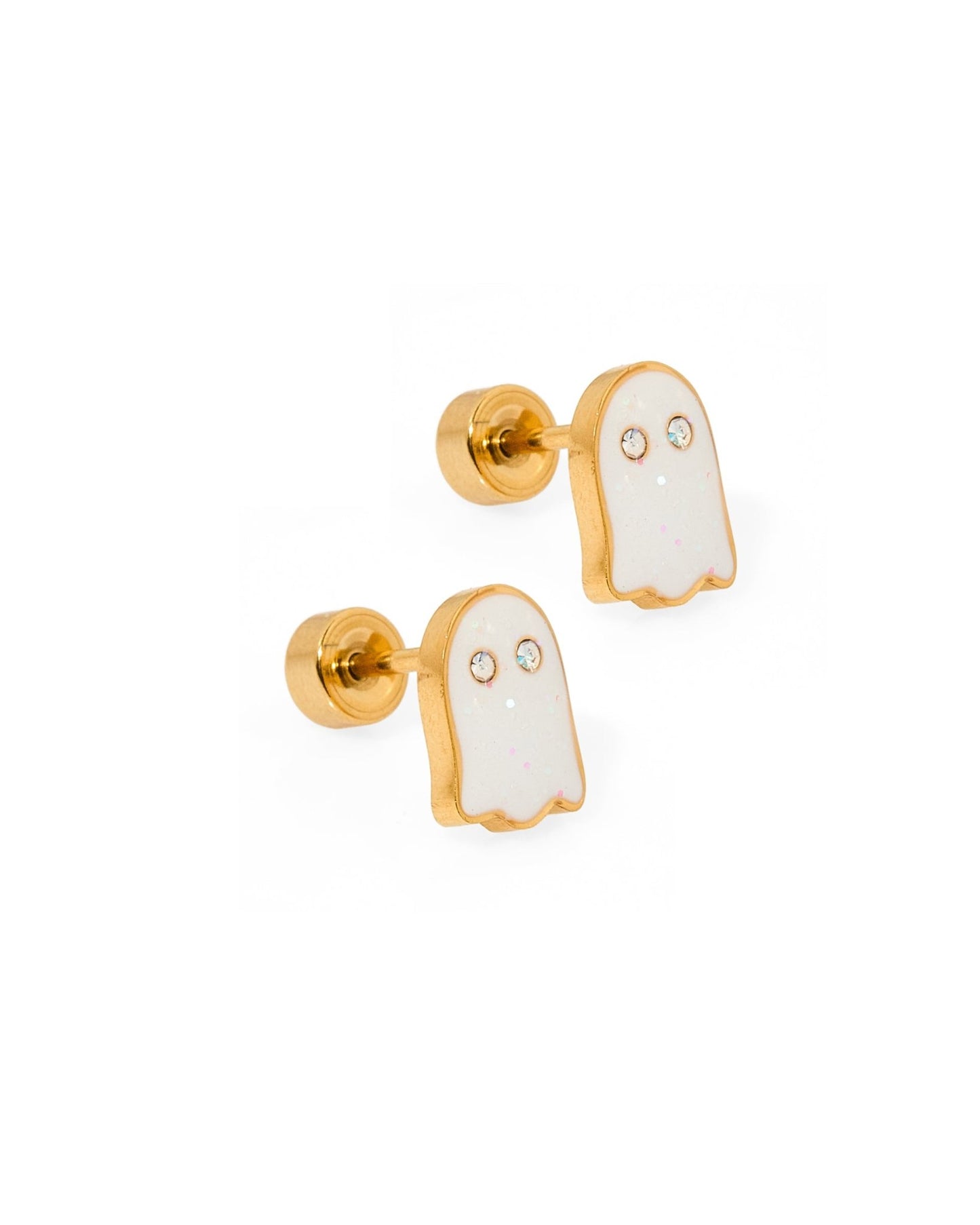
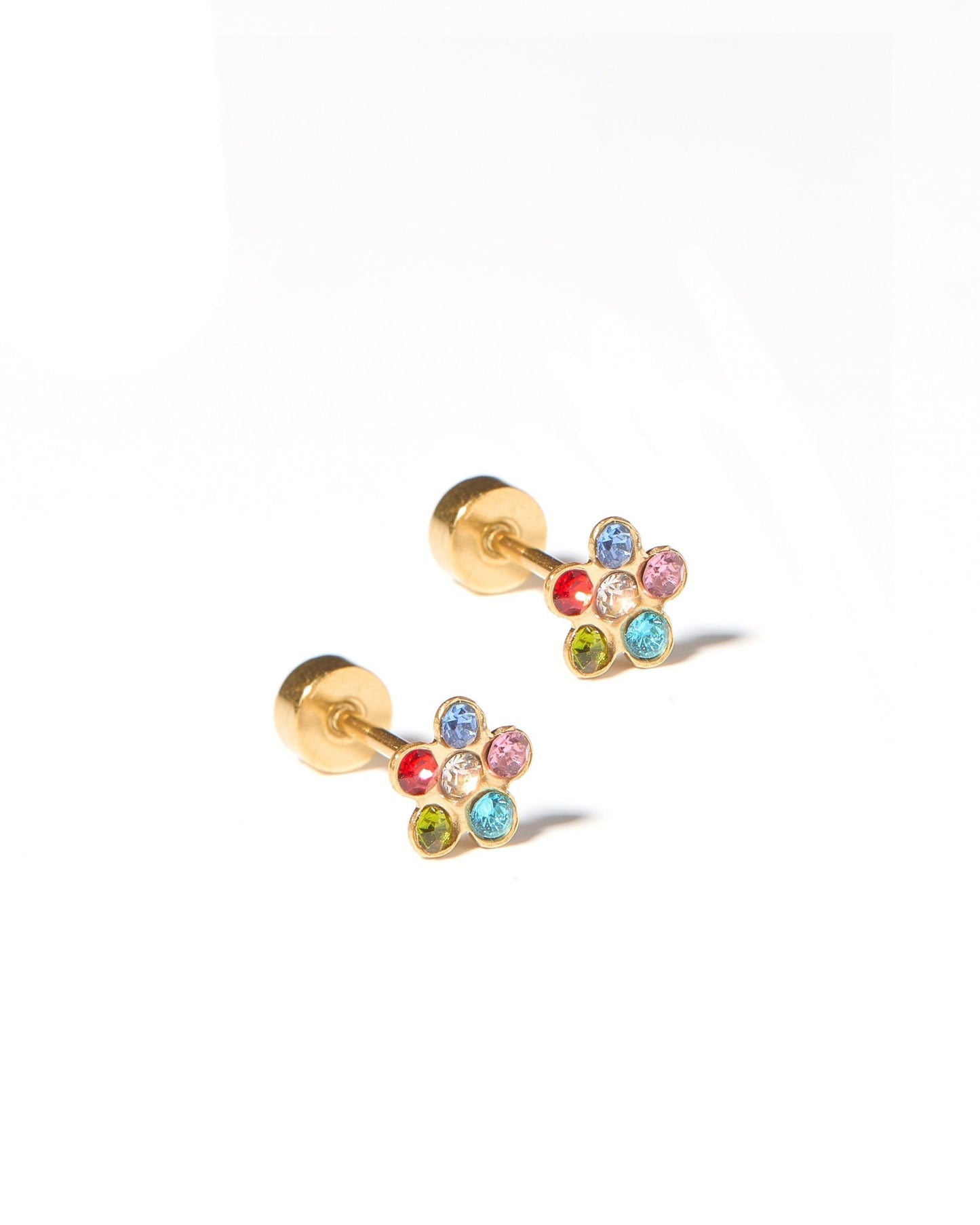
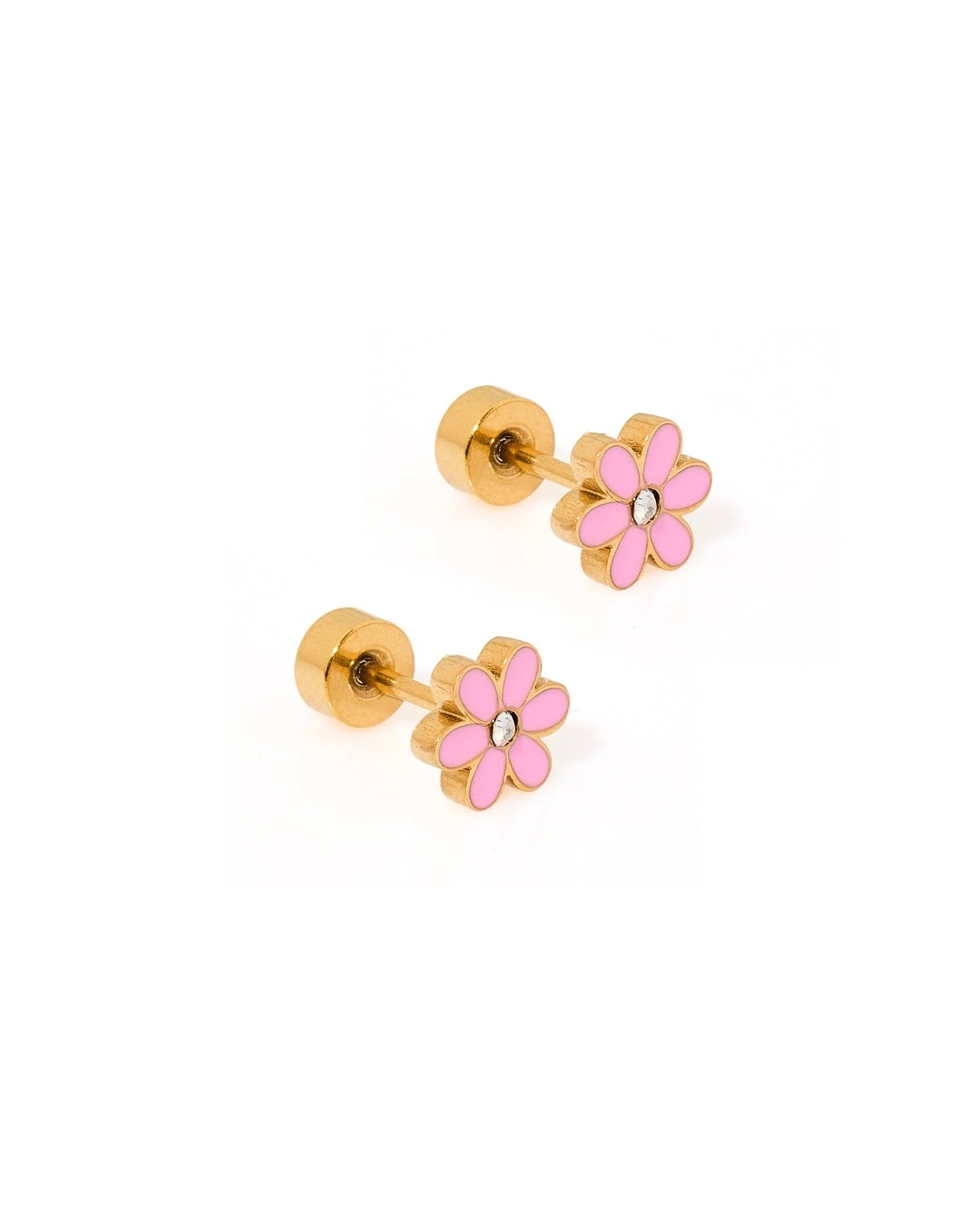
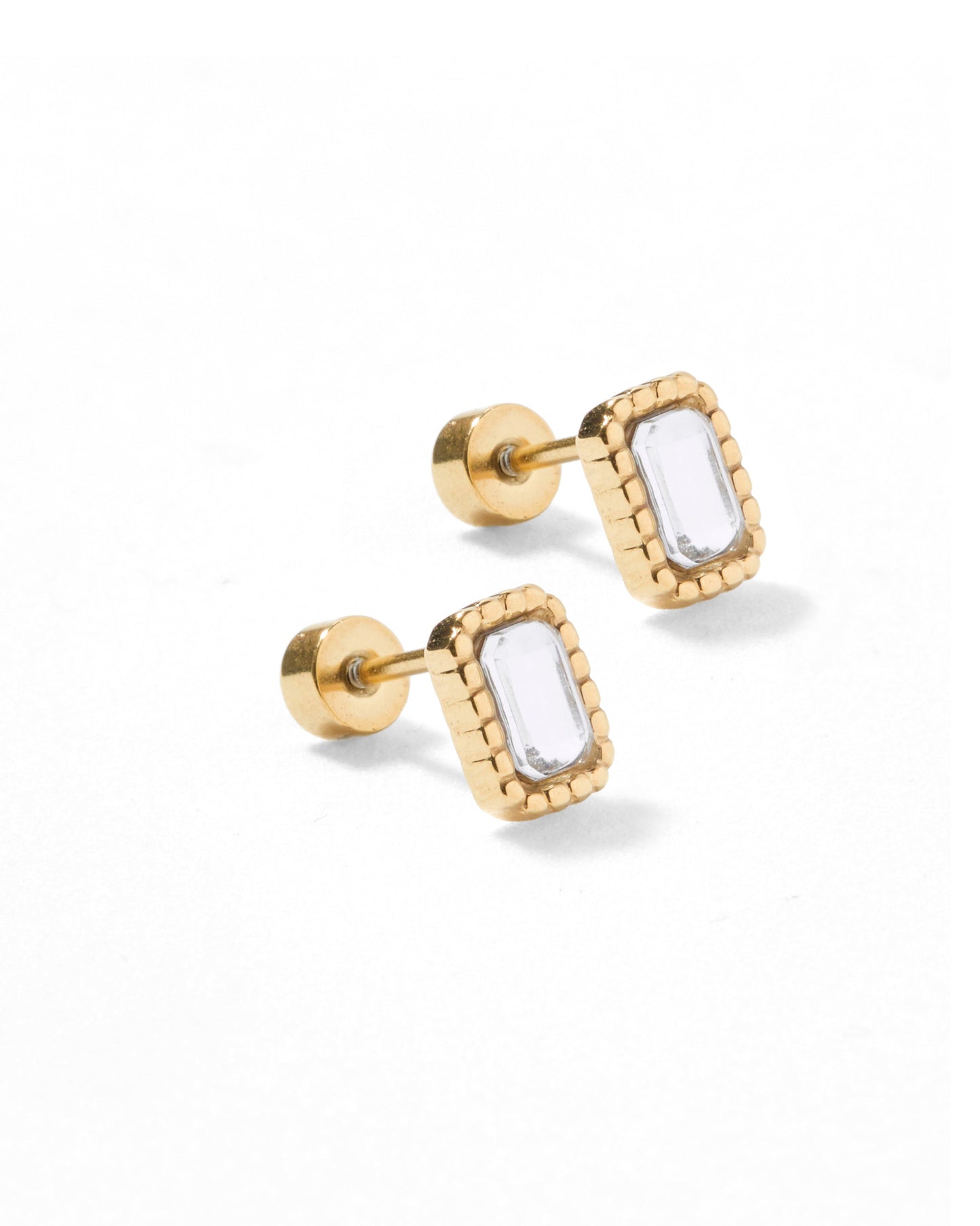
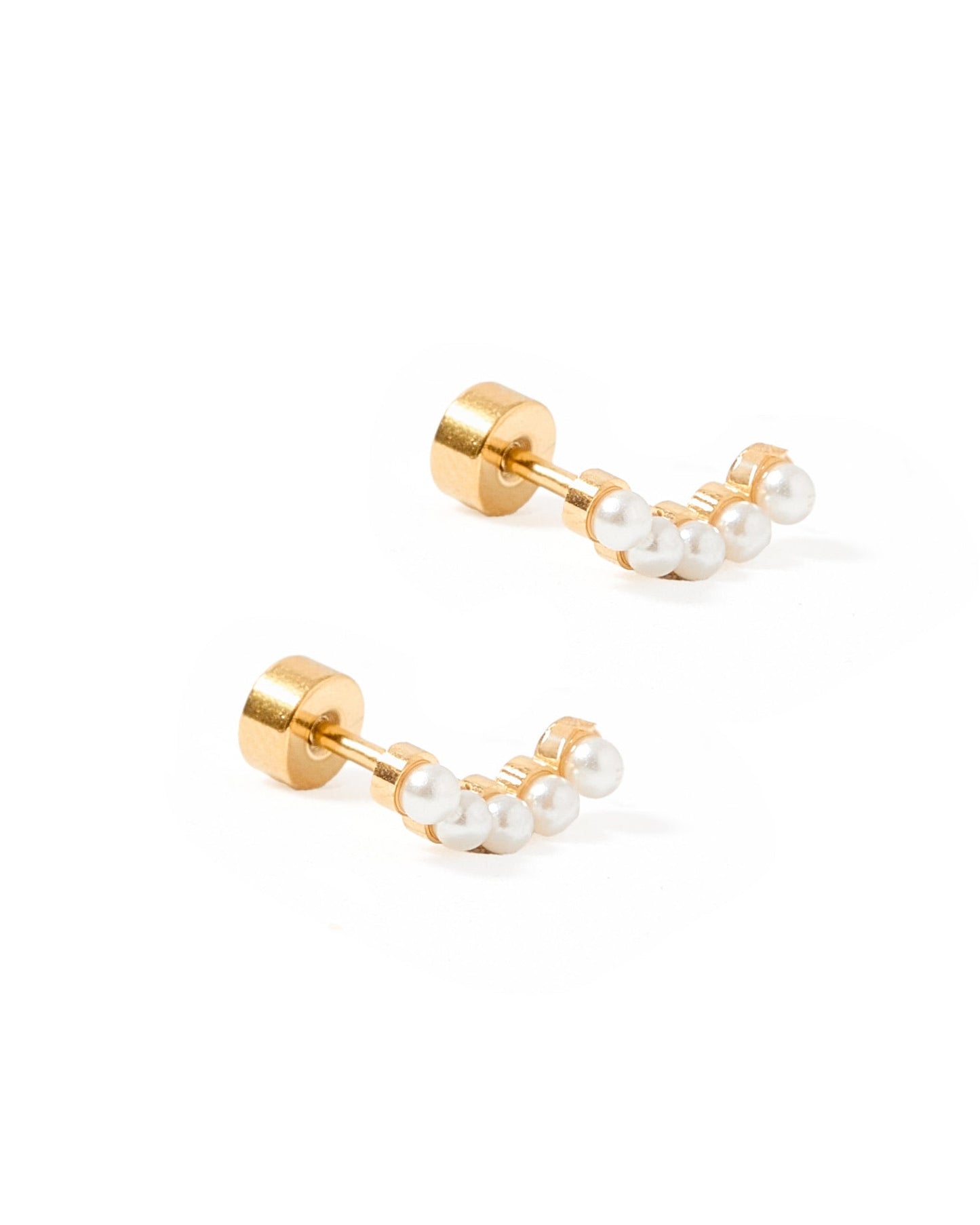
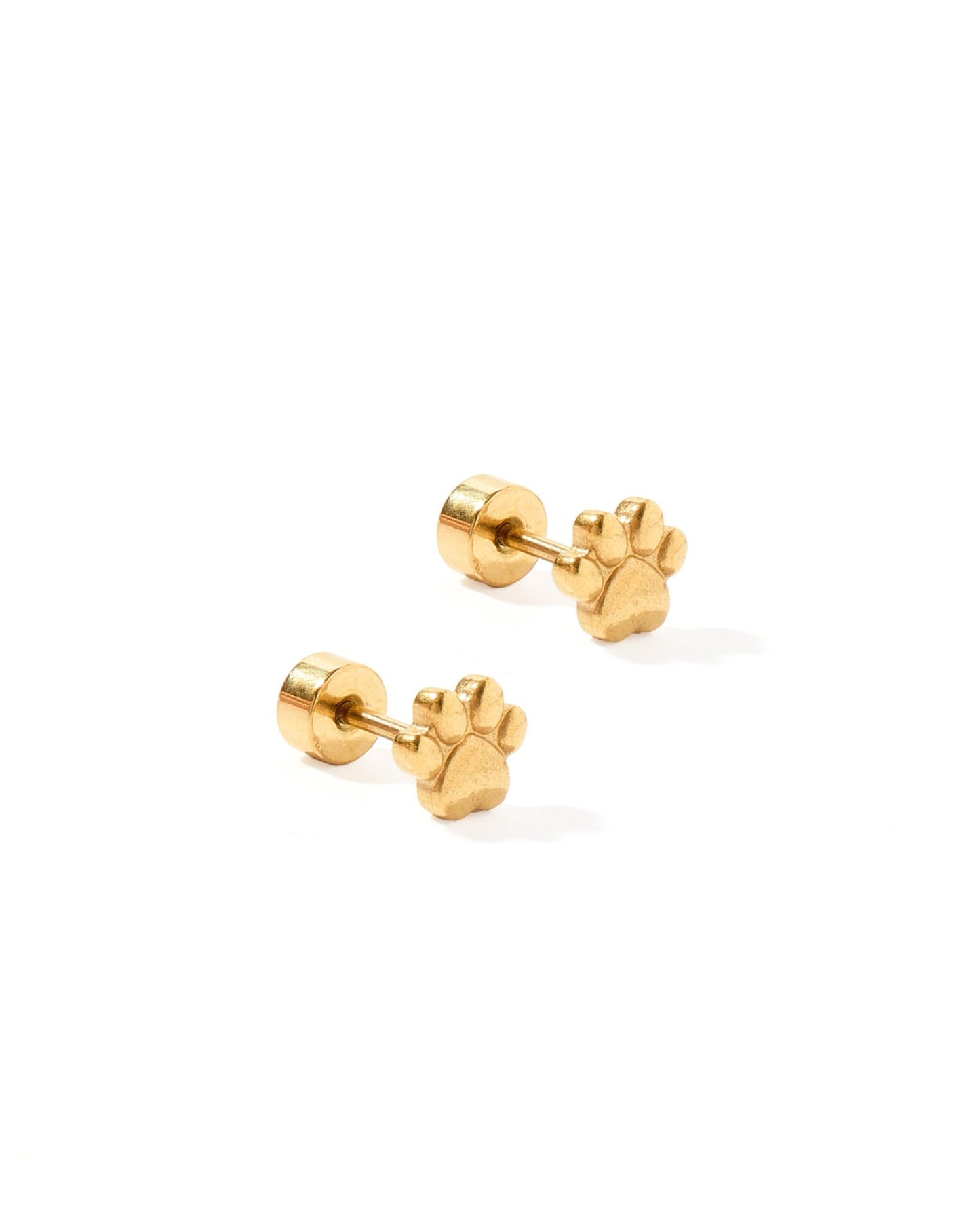
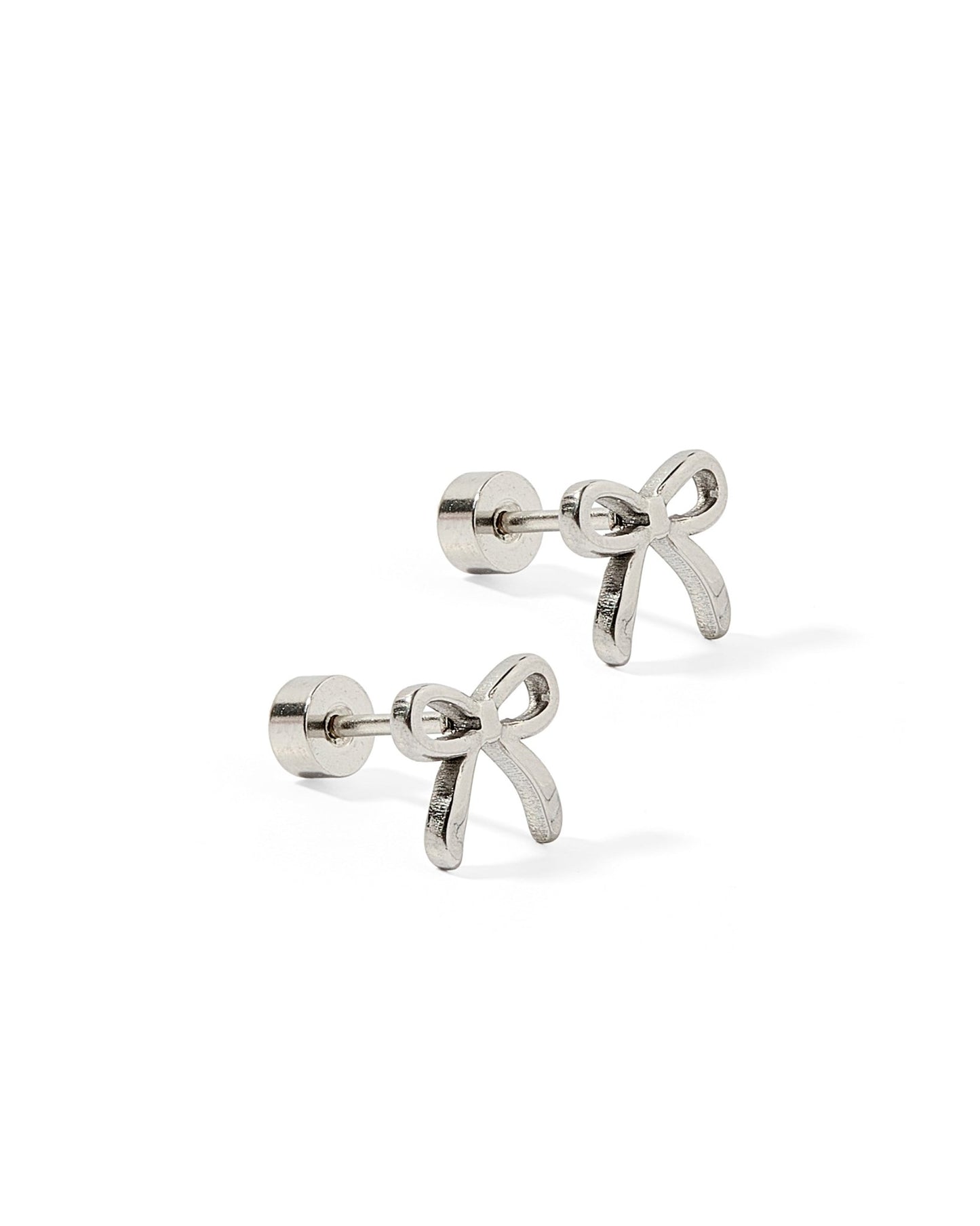
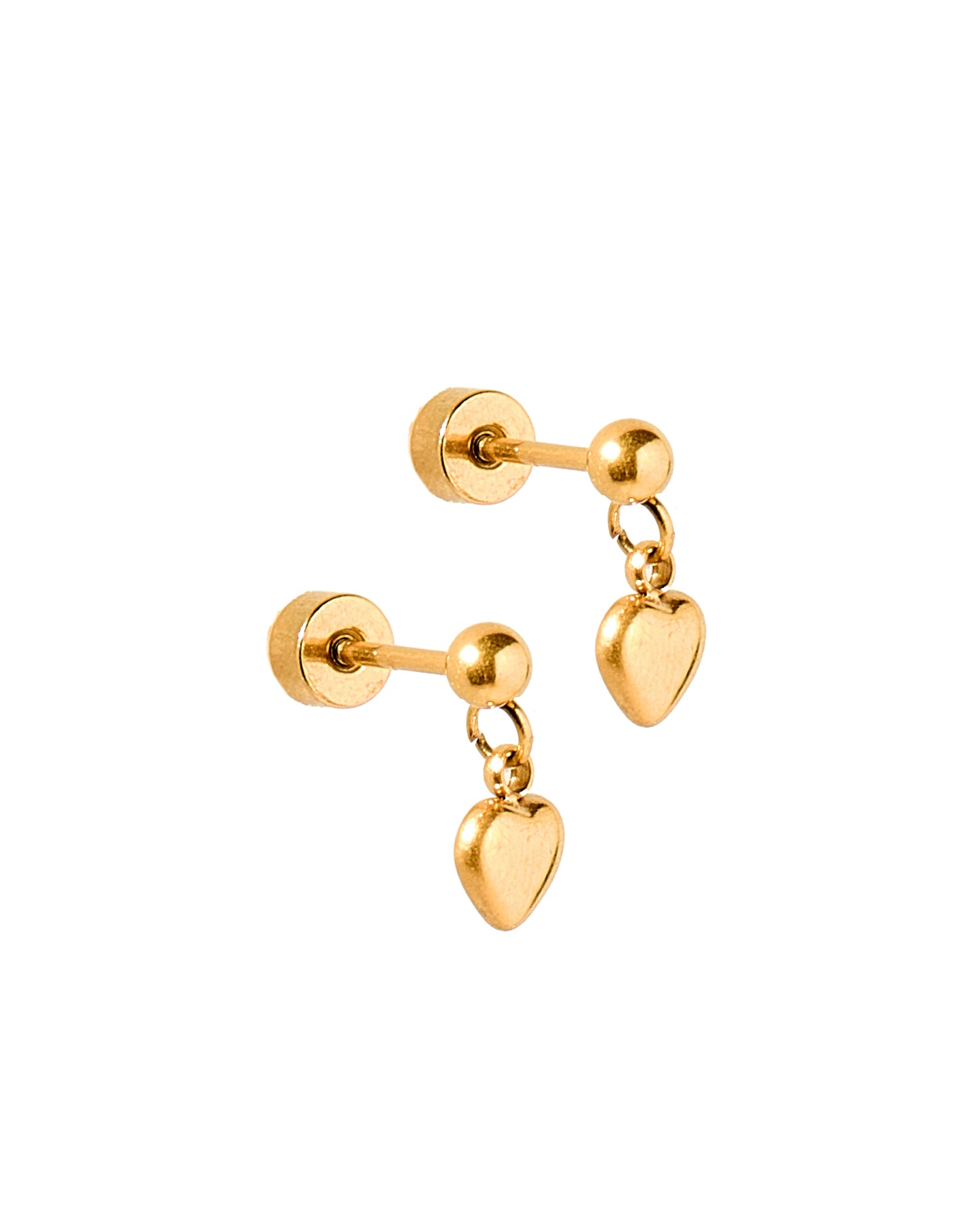
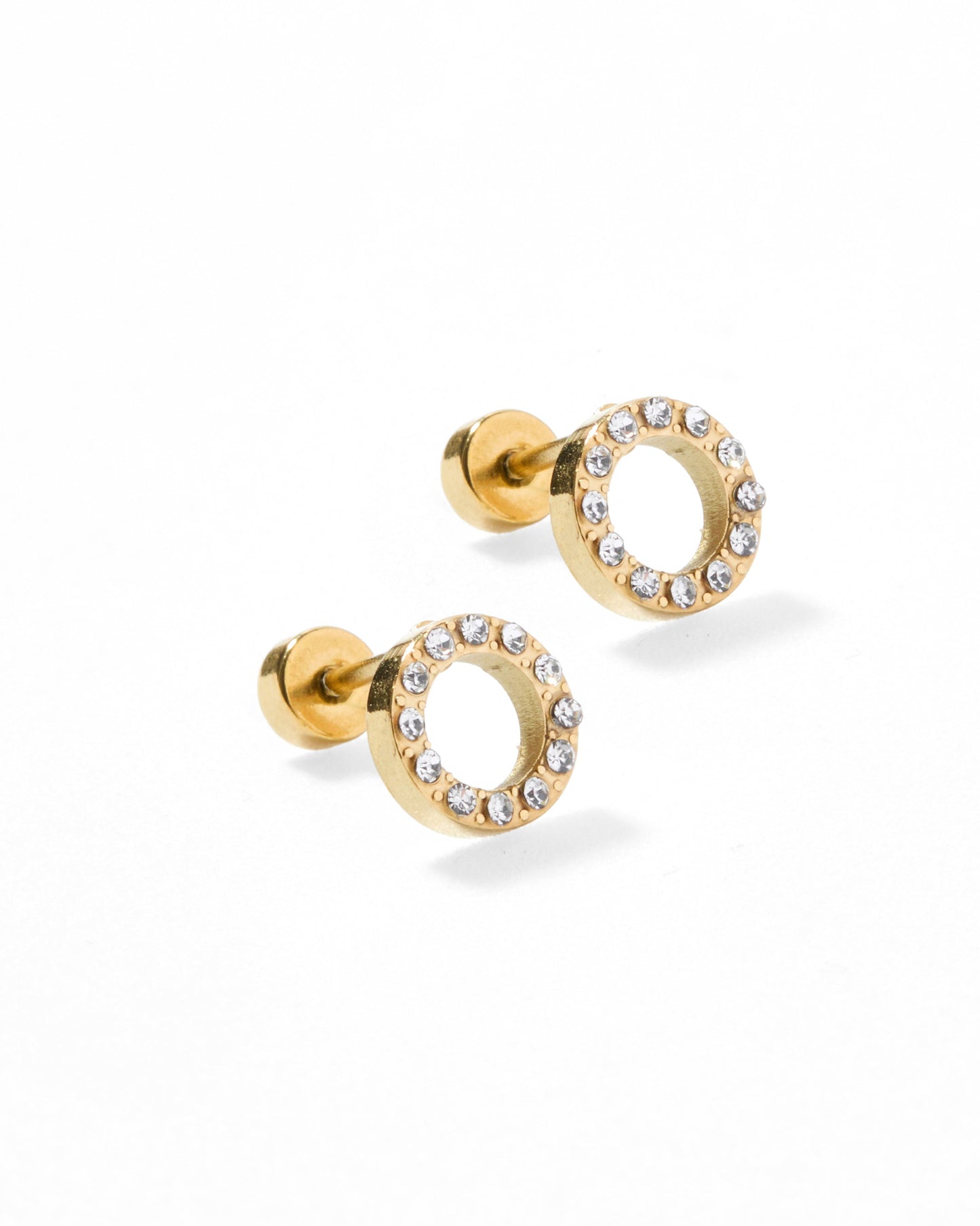
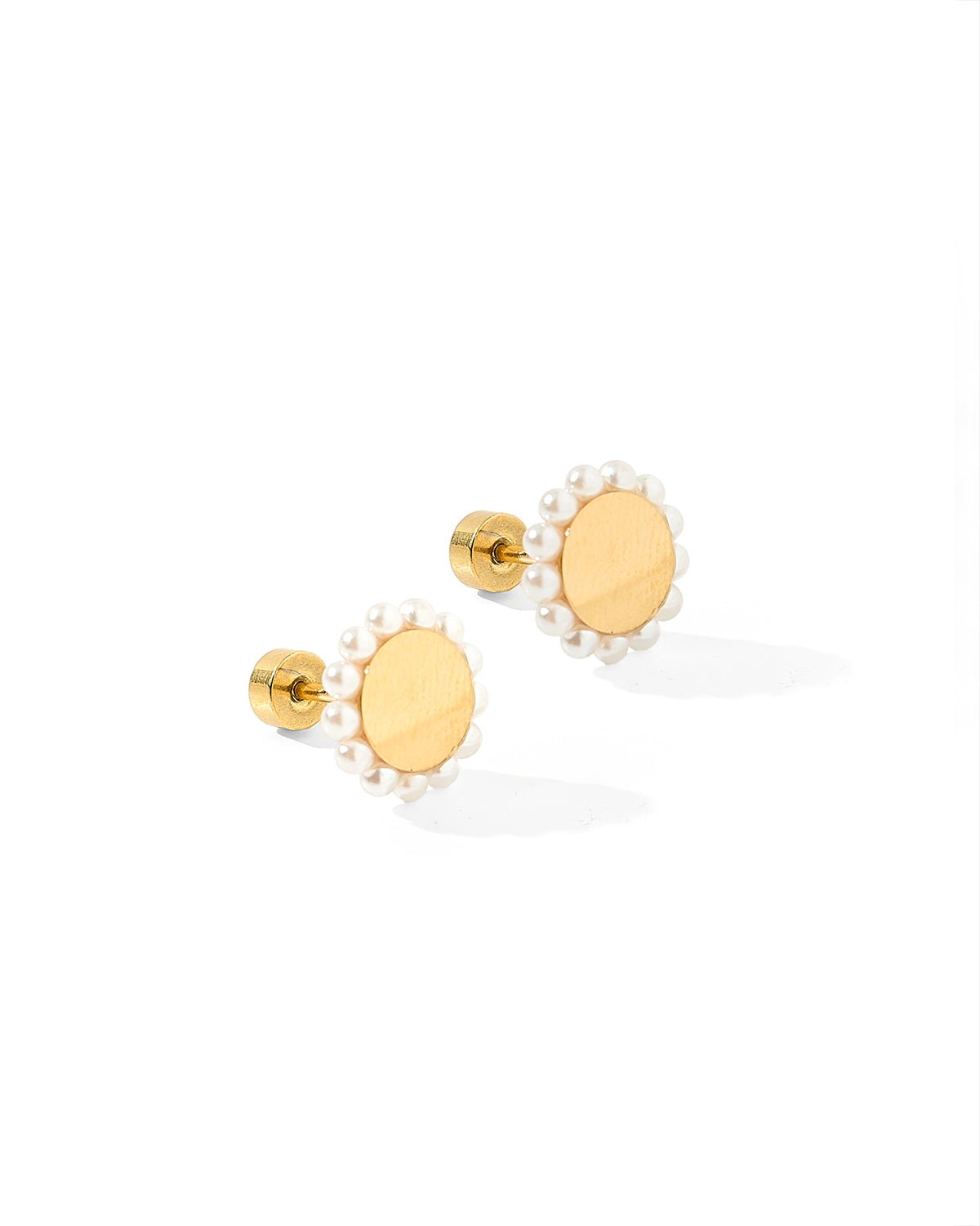
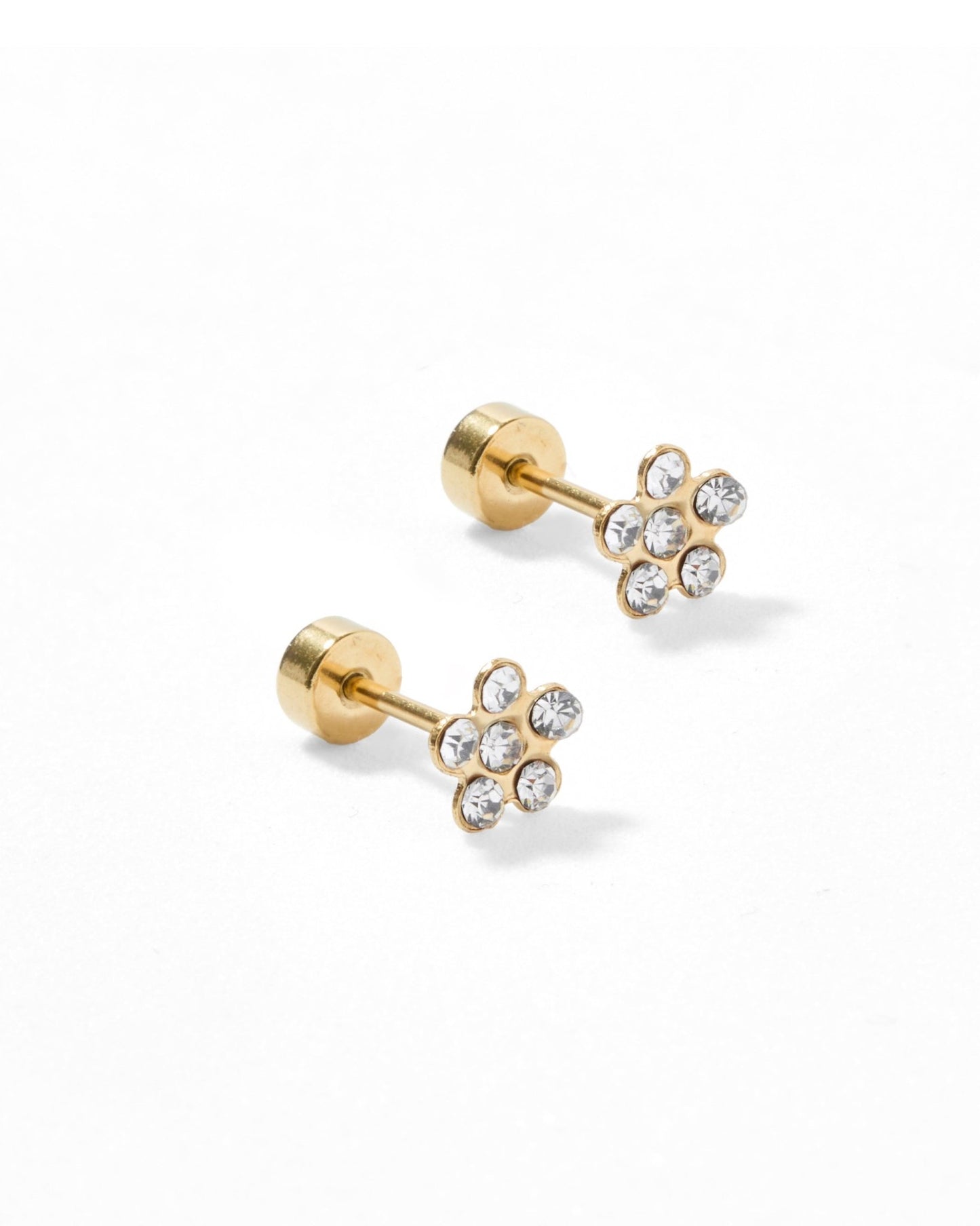
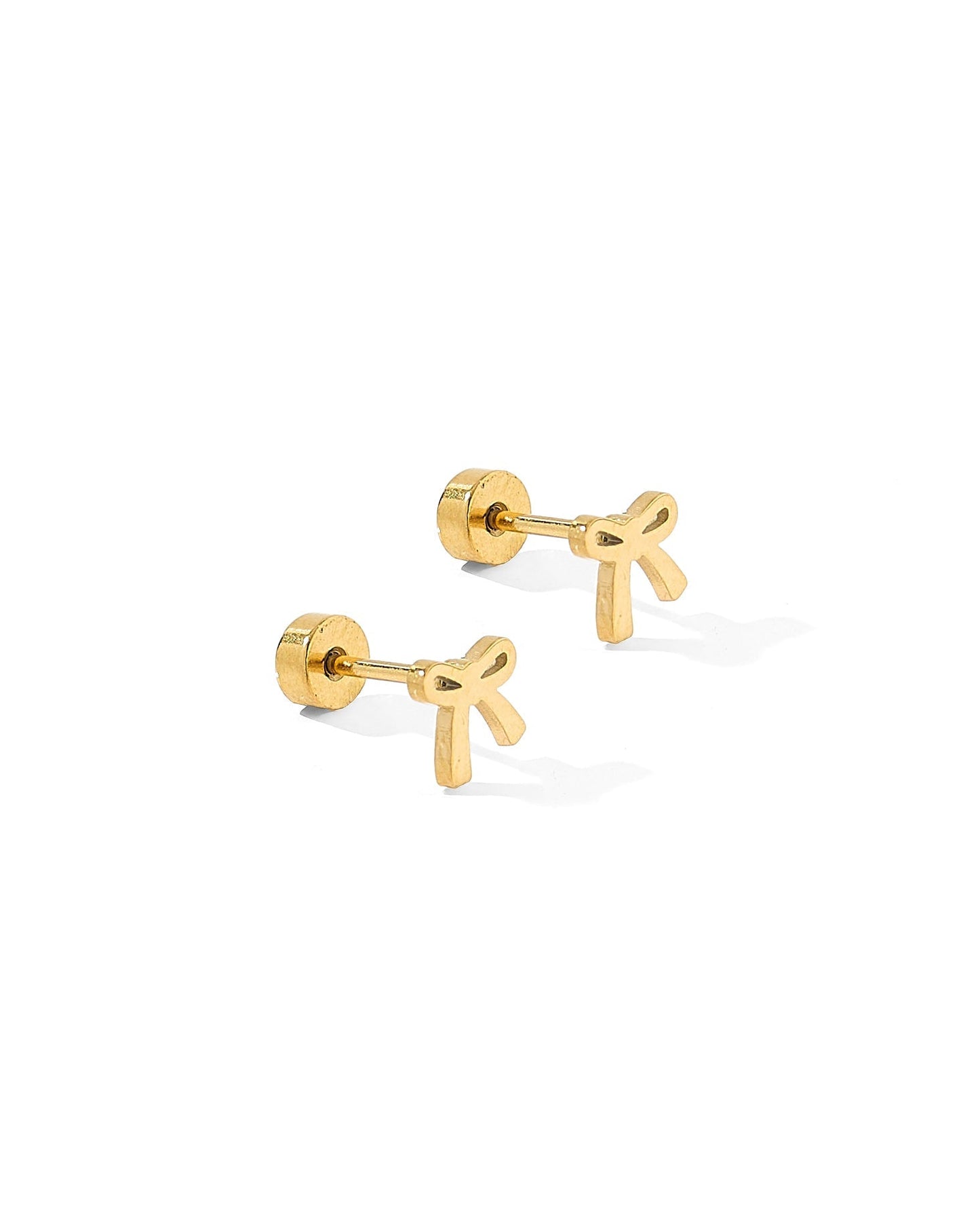
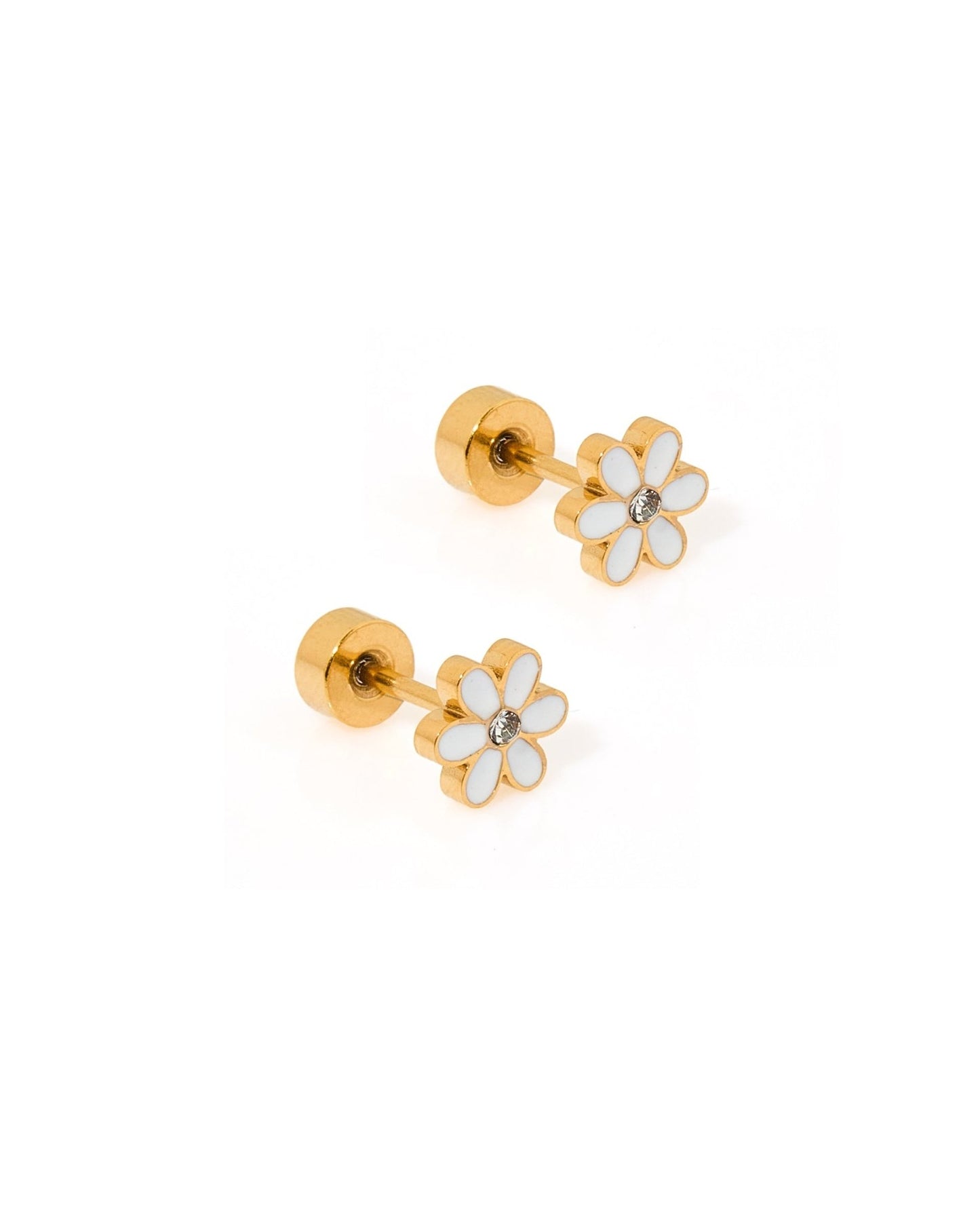
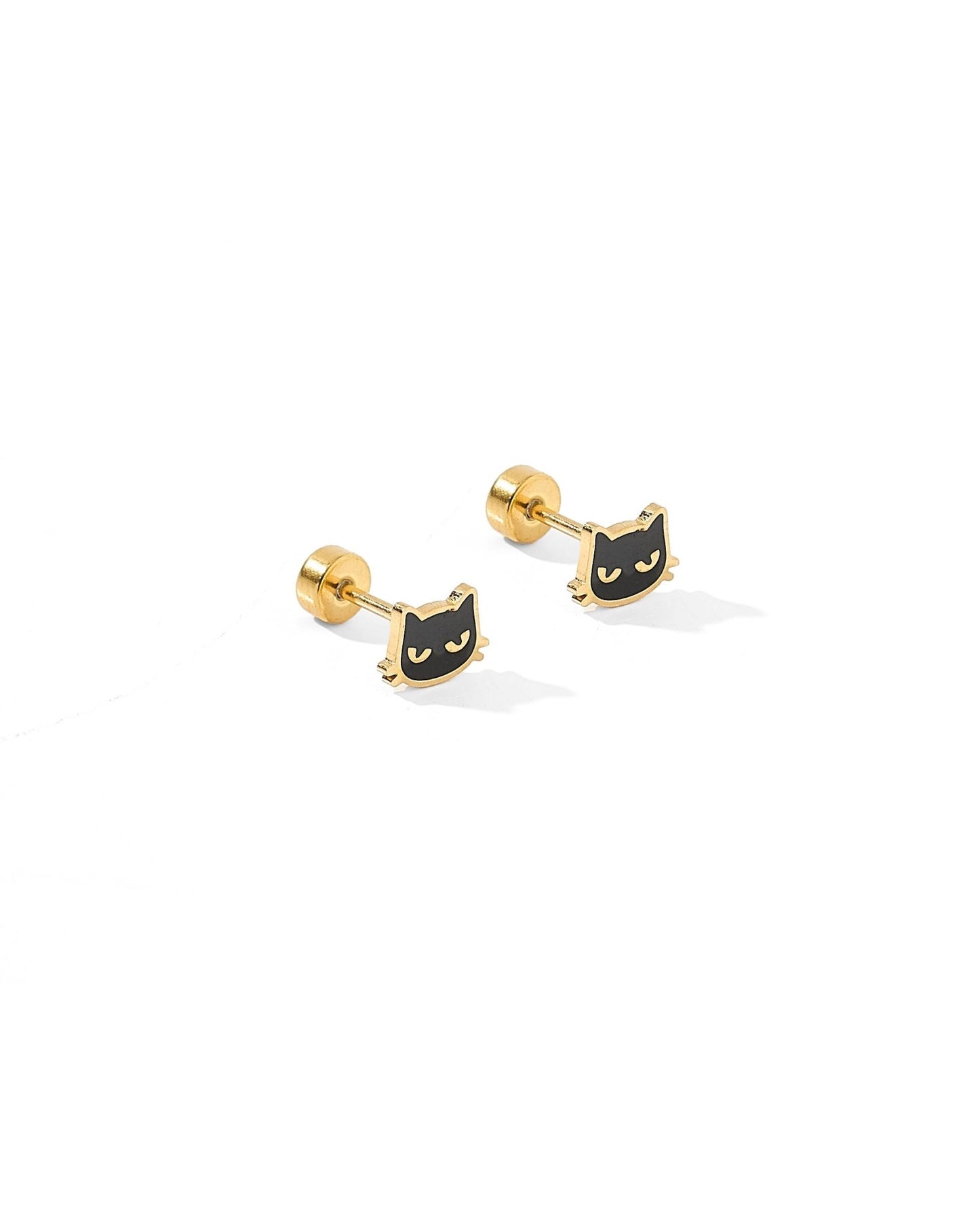
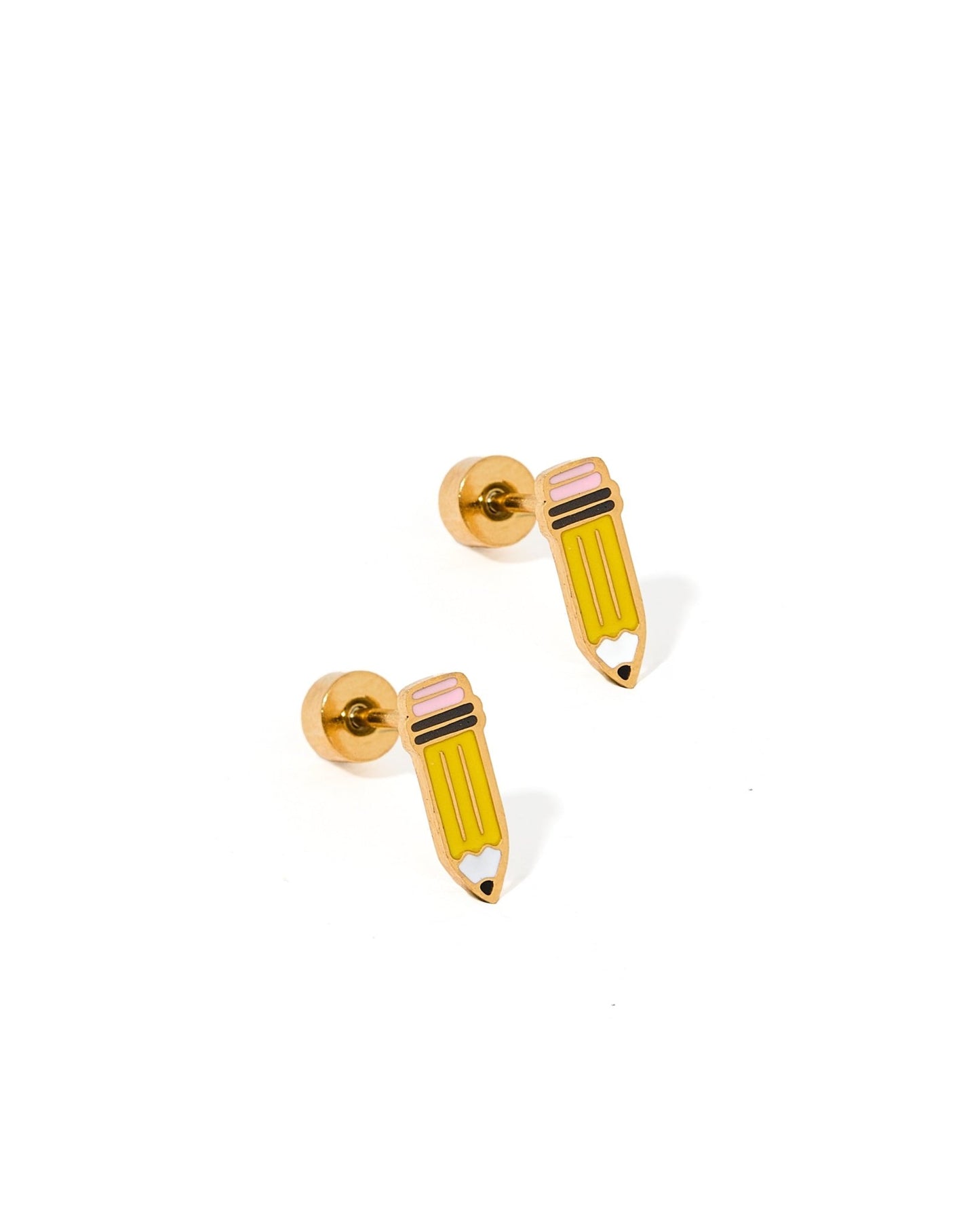
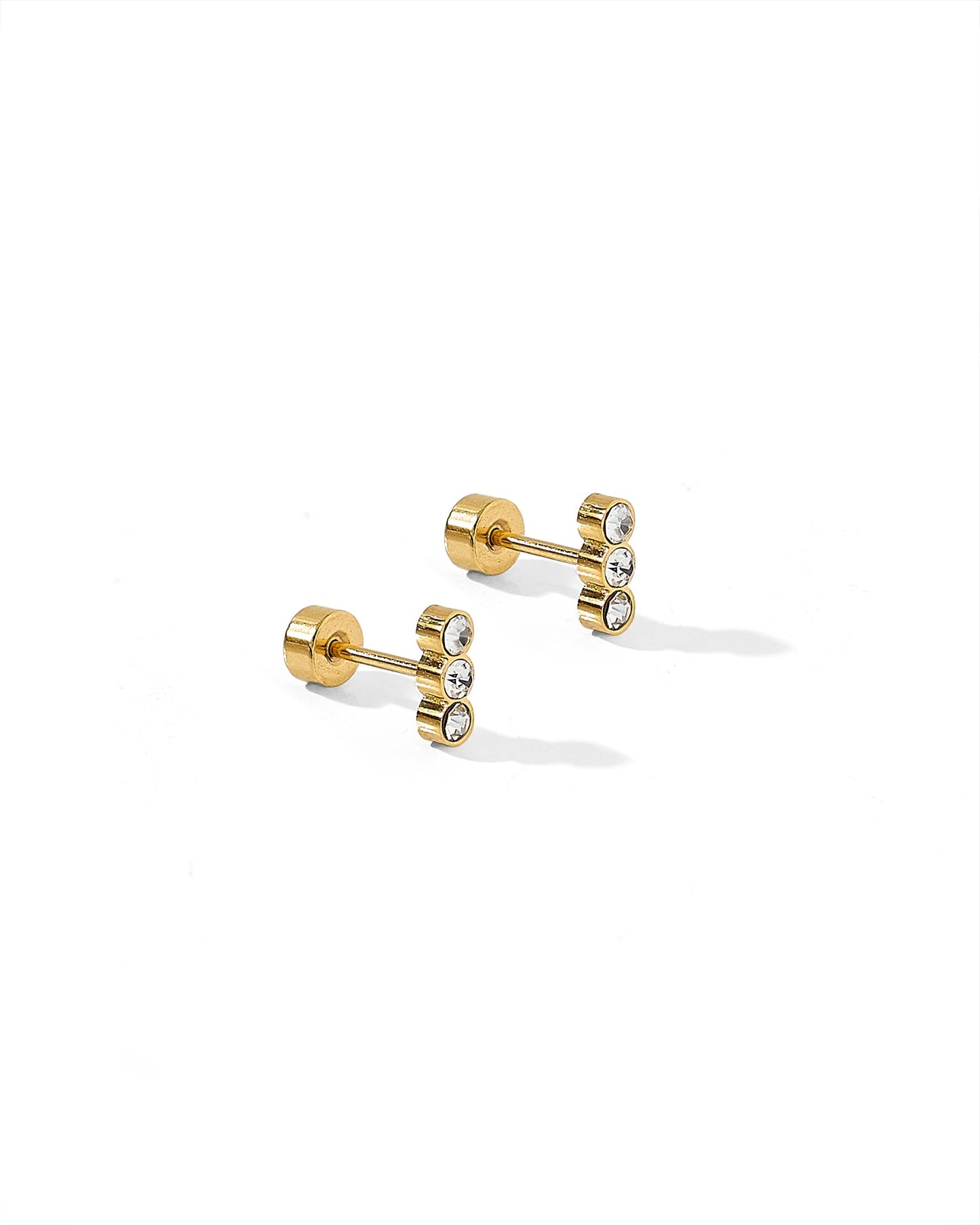
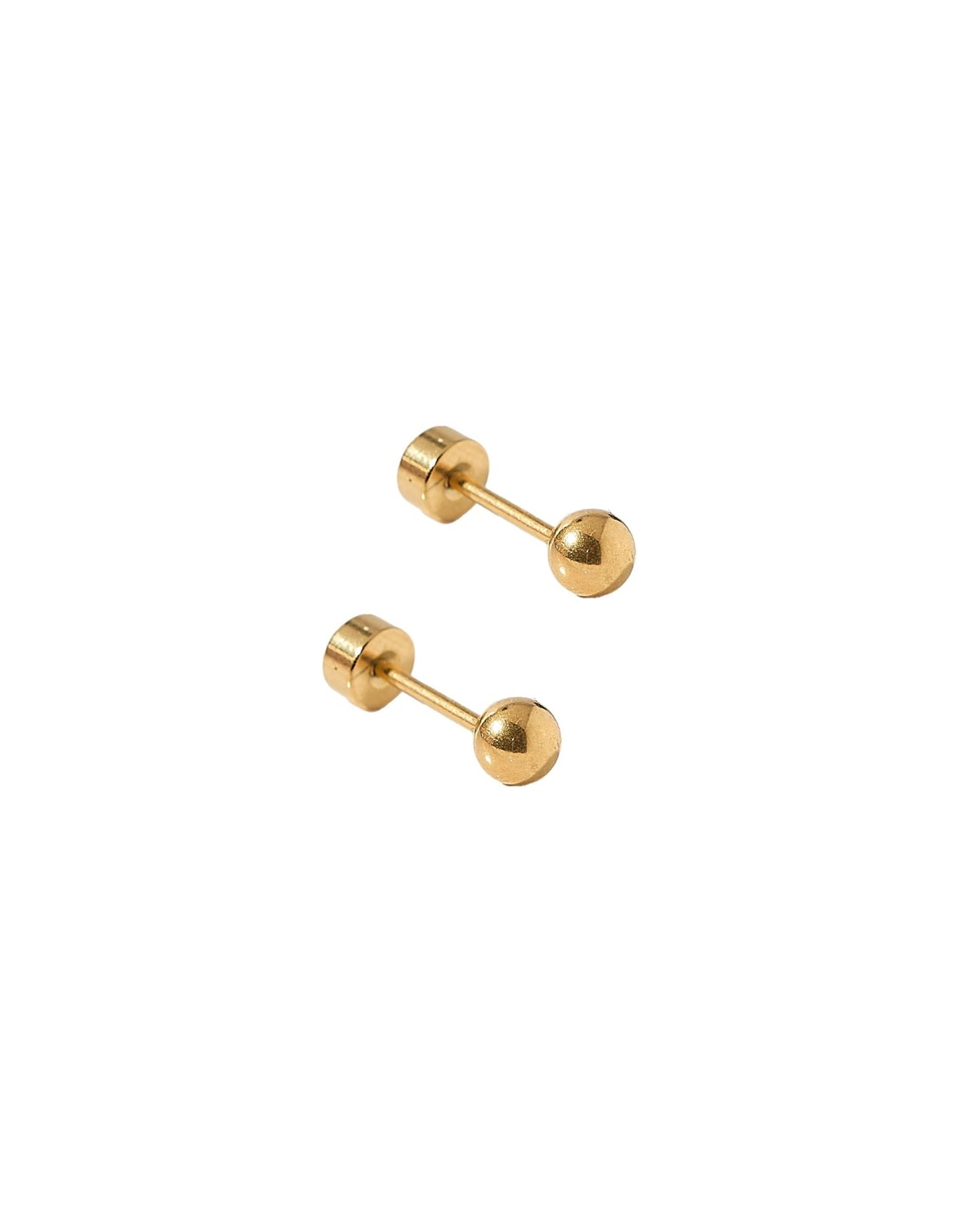
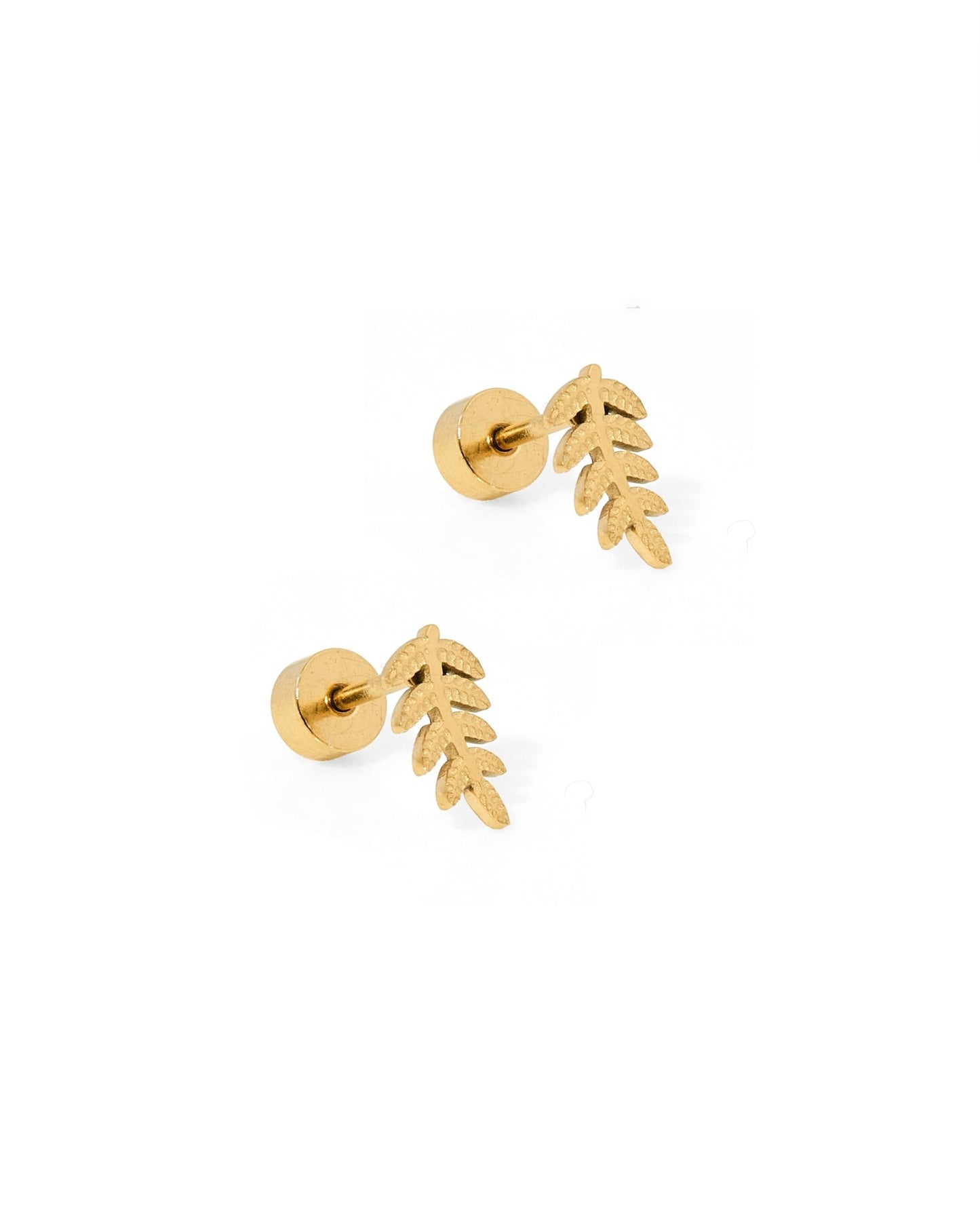
A flat back stud has nothing to lose. There is no butterfly clutch: the post screws into a smooth disc that sits flush behind the lobe, so it cannot work its way loose on a pillow or in a jumper.
That is the whole reason this range exists. These are the earrings that go in and stay in — through the shower, the pool, the gym and a night's sleep — rather than coming out every evening and getting lost.
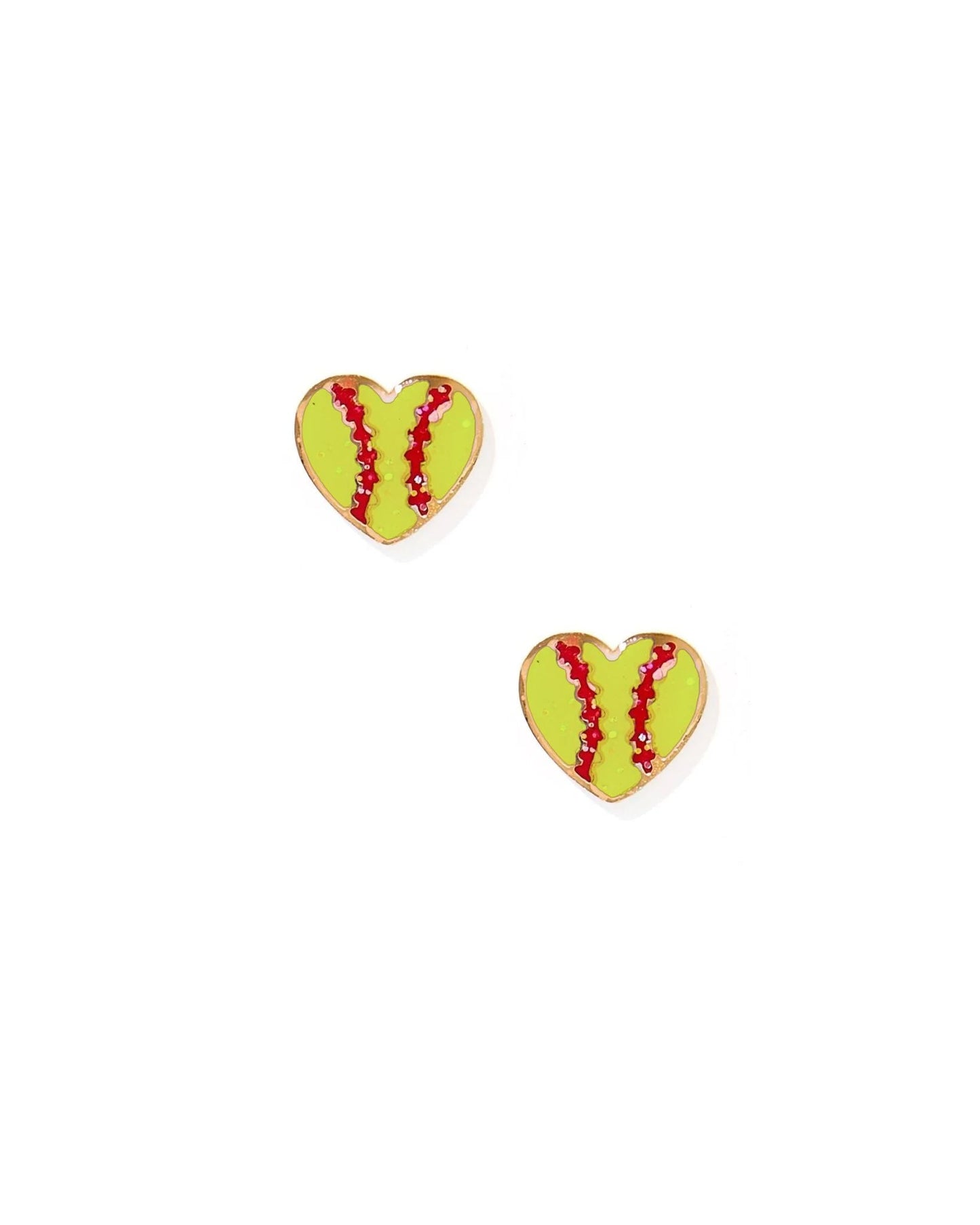
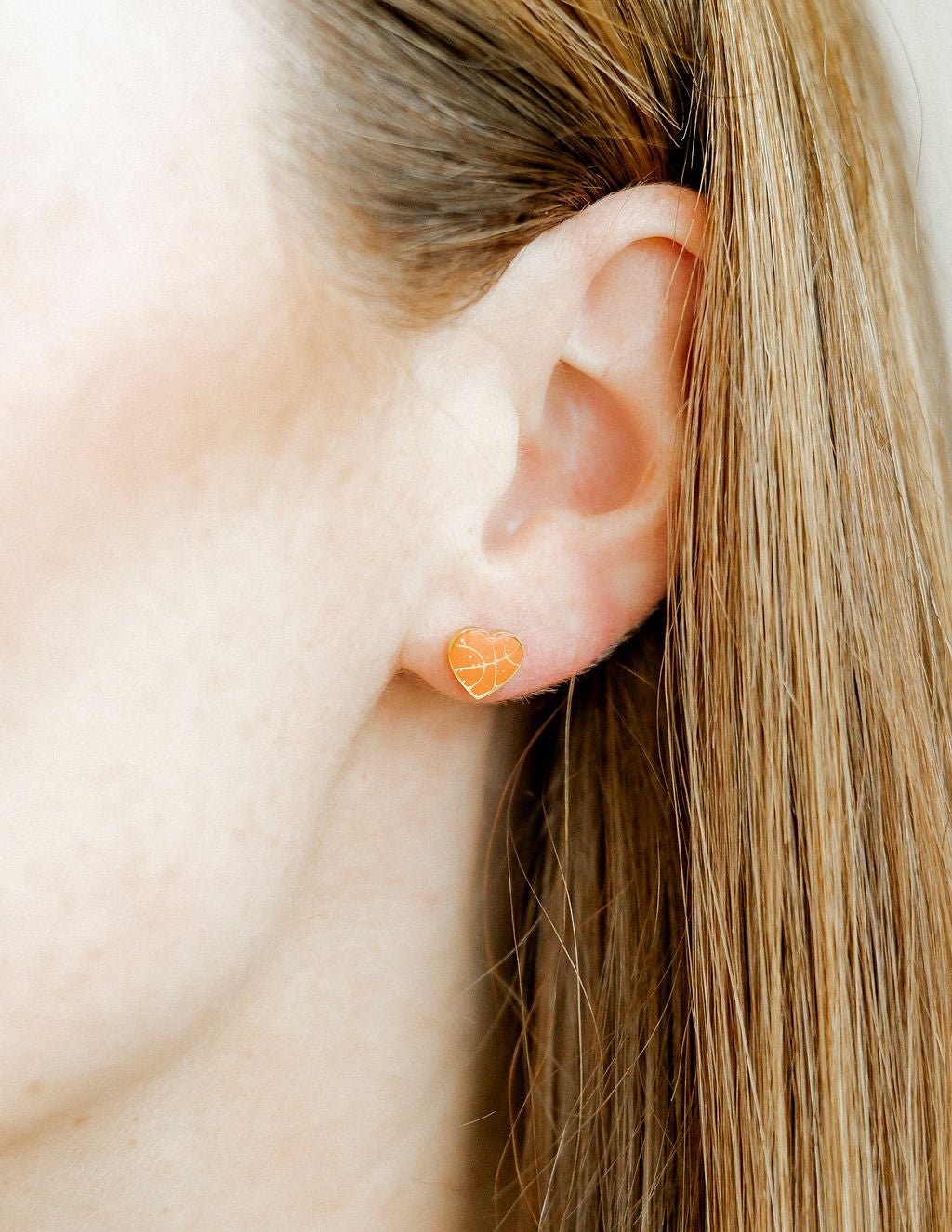
There are 292 styles here, every one of them a screw-on flat back. Posts are 20G (0.8mm) — the standard gauge — and 7mm long, with thirteen Lux styles at 5mm.
A push-back earring is held on by friction. The clutch grips the post, and every time it is knocked it grips slightly less, until one day it is on the floor of a car park.
A screw back does not rely on friction at all. The post is threaded and the back turns onto it, so it can only come off the way it went on — deliberately, by unscrewing. That is what makes these safe to sleep in and safe to swim in, and it is why they are the format people choose for a second or third piercing where a lost back is hardest to notice.
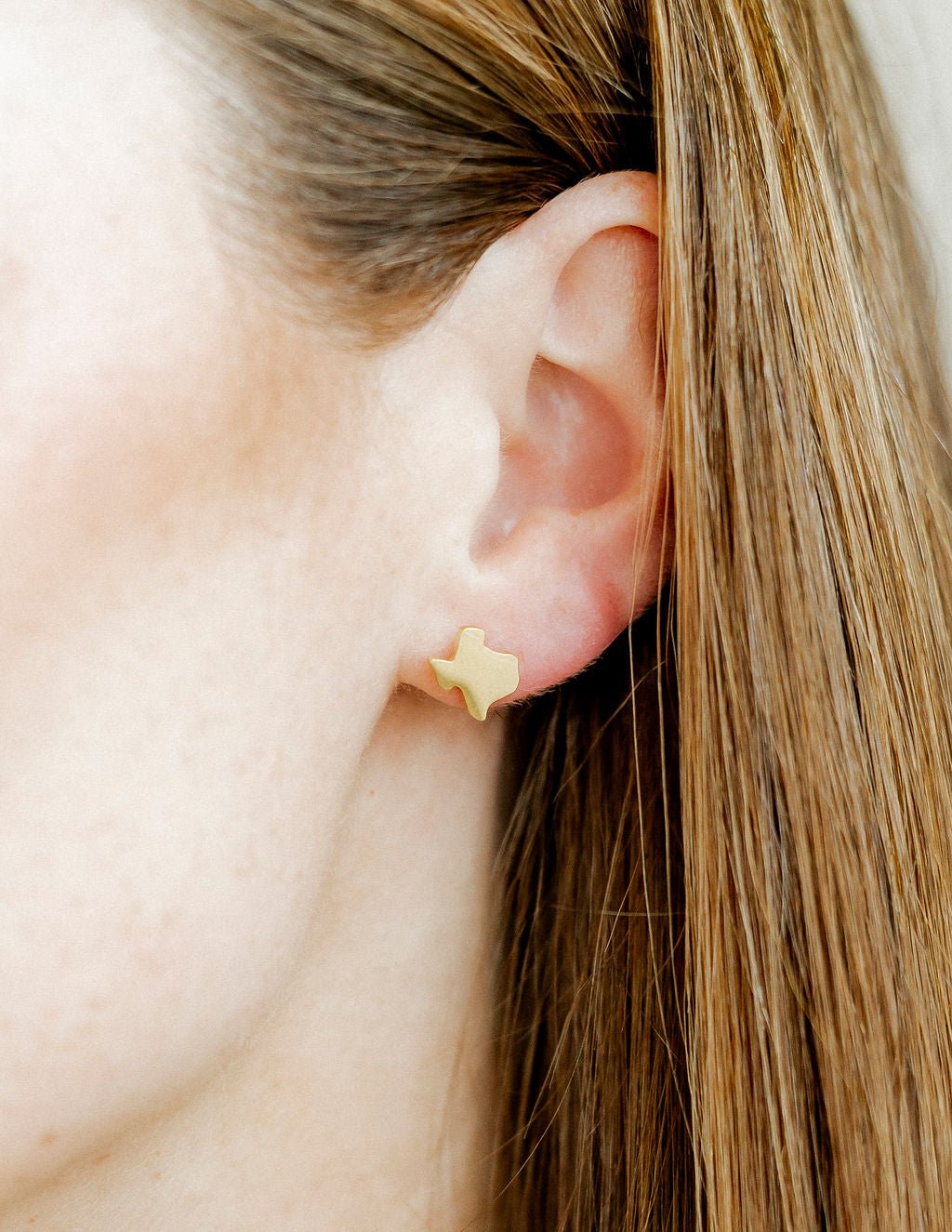
The front of the post is flat rather than domed, which is the other half of it. Nothing presses into the back of the lobe when a head is on a pillow.
The base metal is 316L surgical-grade stainless steel — 287 of the 292 record it by name on their product page. The L is low carbon, and it is the grade used for surgical implants, chosen for how it behaves against skin and salt rather than for how it looks.
Gold-toned and silver-toned pieces are plated over that steel rather than over brass. It matters because plated brass wears through to copper, and copper is what leaves a green mark. When a plated steel piece eventually shows wear, the colour softens instead.
281 of the 292 record a waterproof rating — safe for shower, pool, ocean and sweat — and the same 281 record certification to ASTM F2923-20, the American standard for children's jewelry, which sets limits on what a piece may release against skin. 276 record a nickel-free rating.
The post is 20G — 0.8mm — which is the standard gauge for a healed lobe piercing and the gauge most piercers use. 277 of the styles are 7mm long, enough to sit comfortably without leaving a stem of post showing behind the ear. Thirteen Lux styles run 5mm instead, which suits a thinner lobe or a cartilage piercing where a 7mm post has nowhere to go.
One thing worth knowing when comparing across shops: suppliers often quote post length including the screw threading, which is why the same earring appears as 7mm in one place and 8mm in another. The figure on these pages is the wearable length.
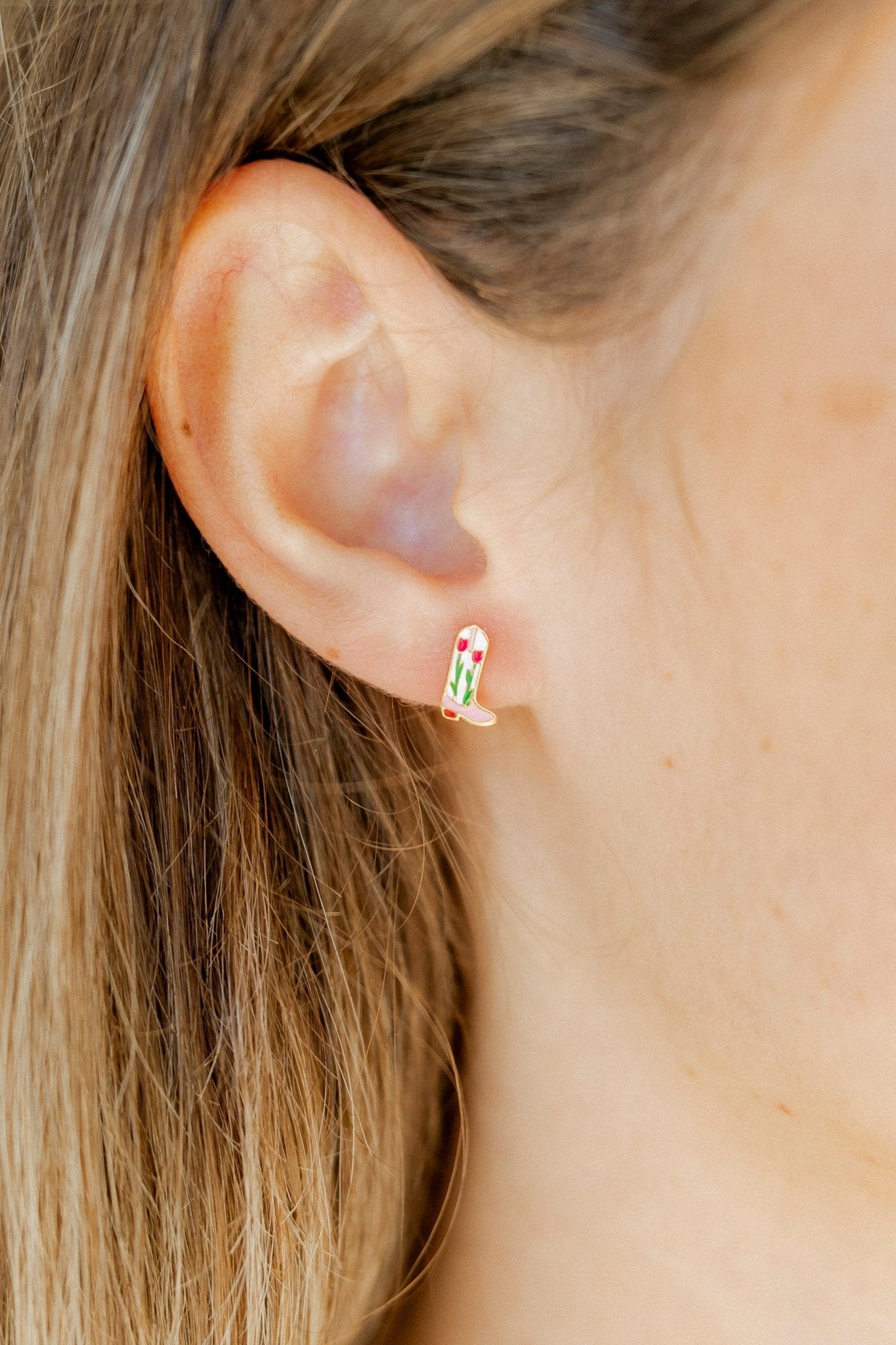
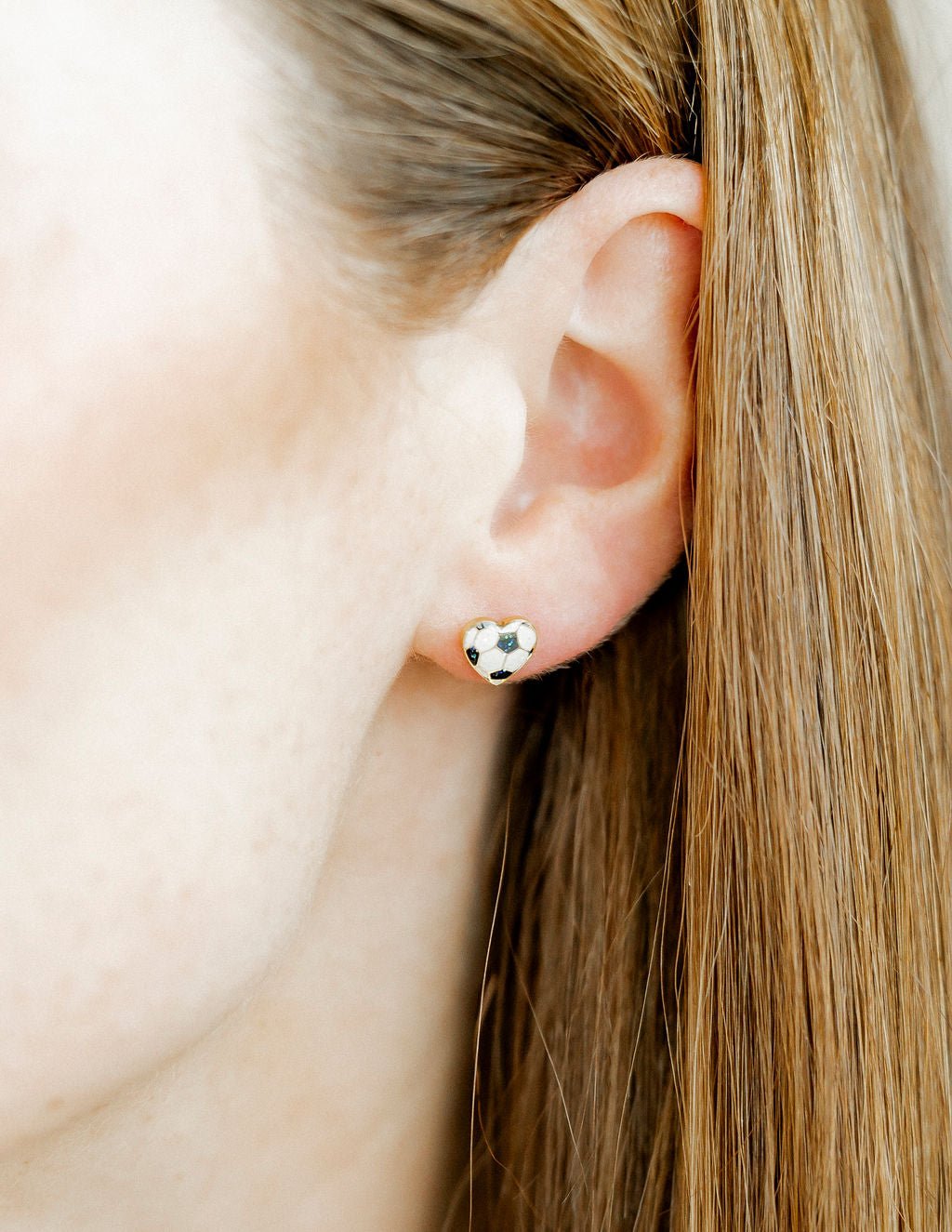
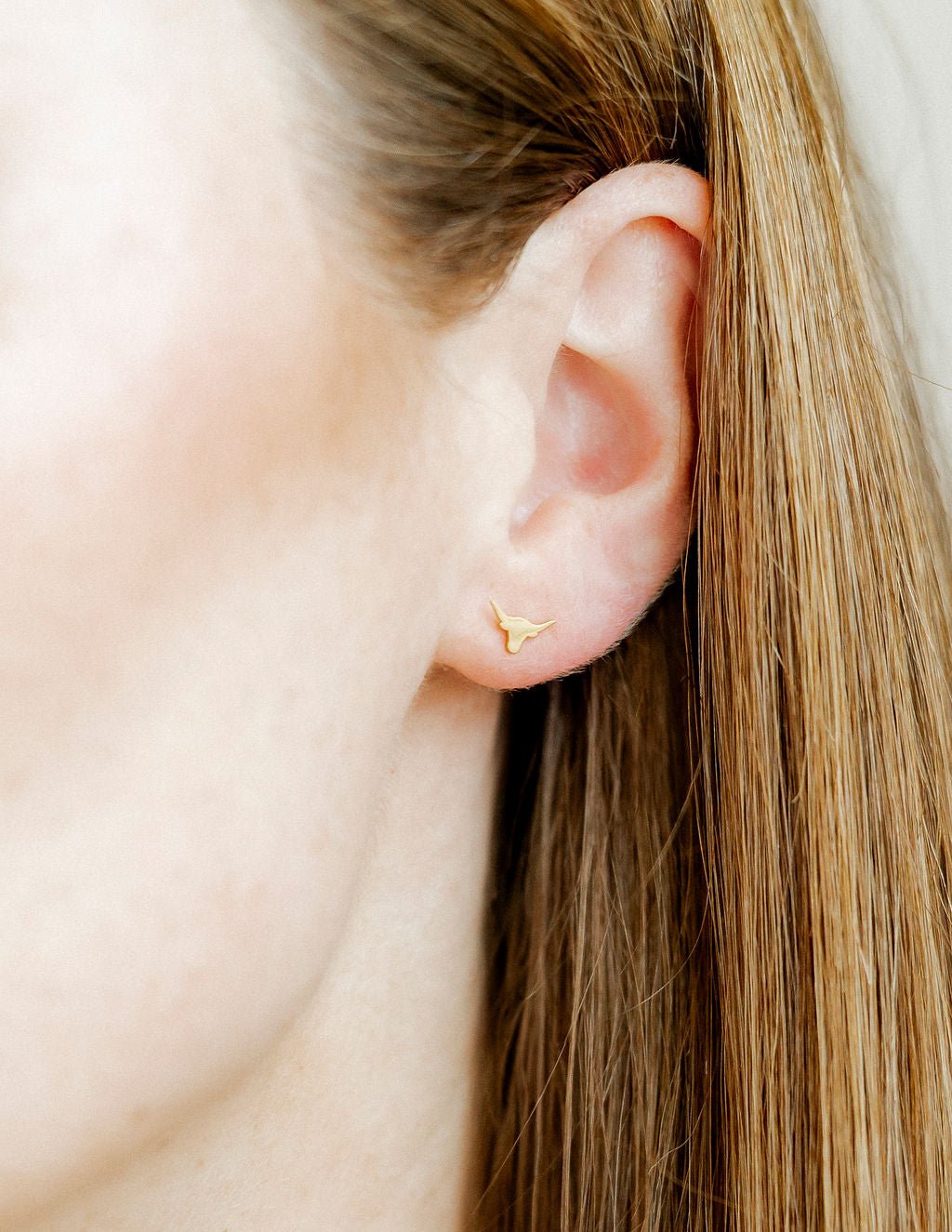
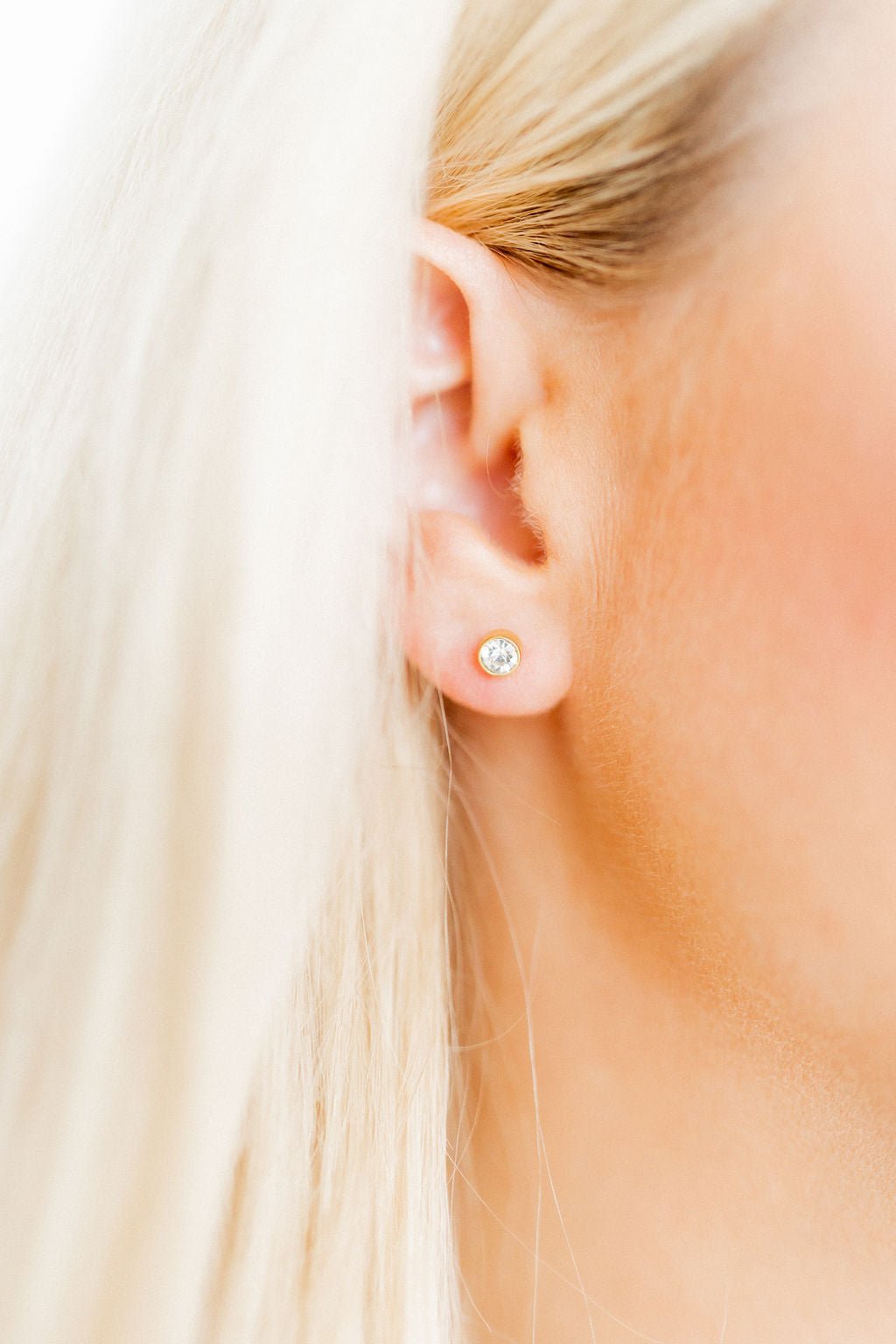
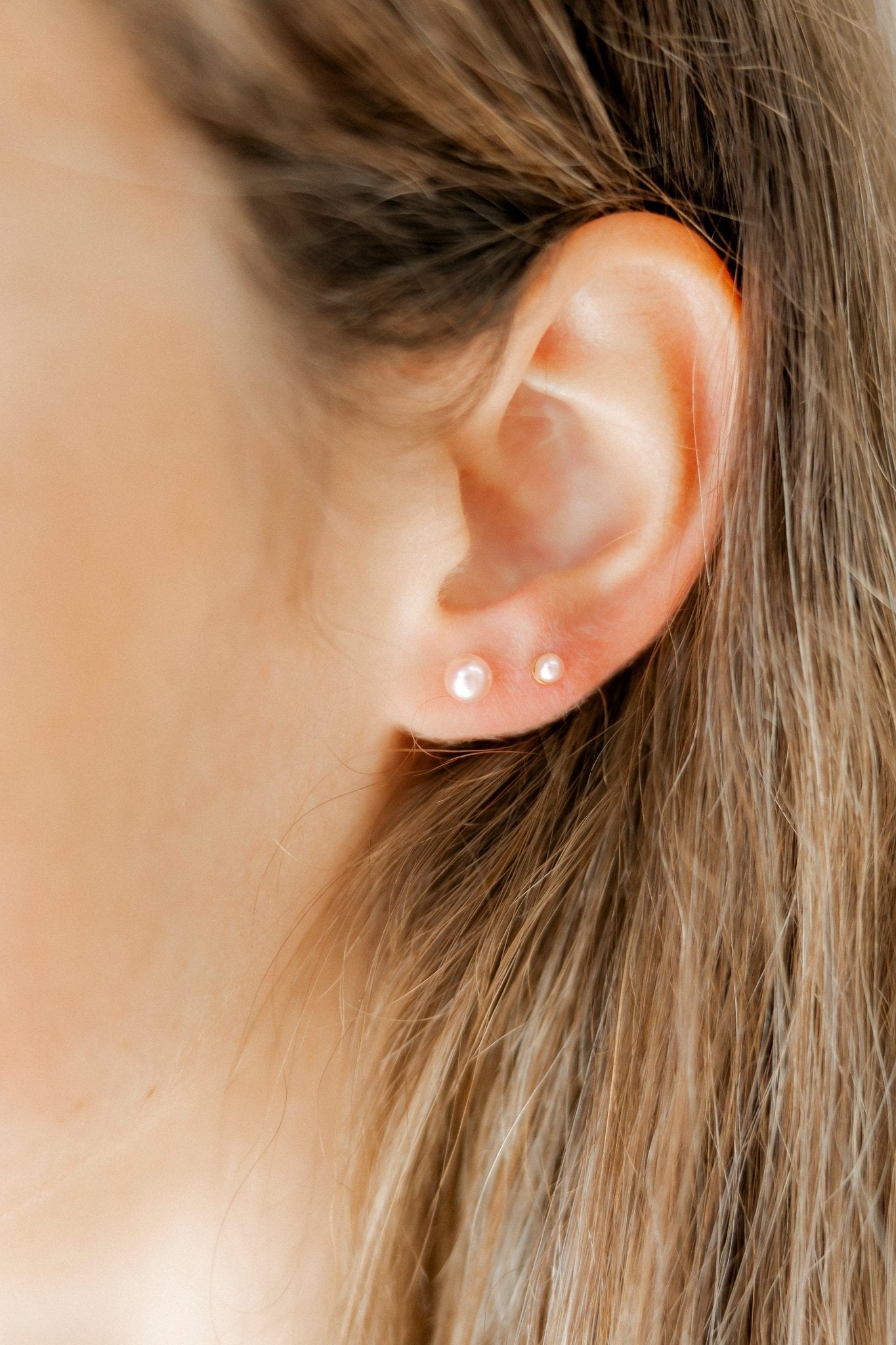
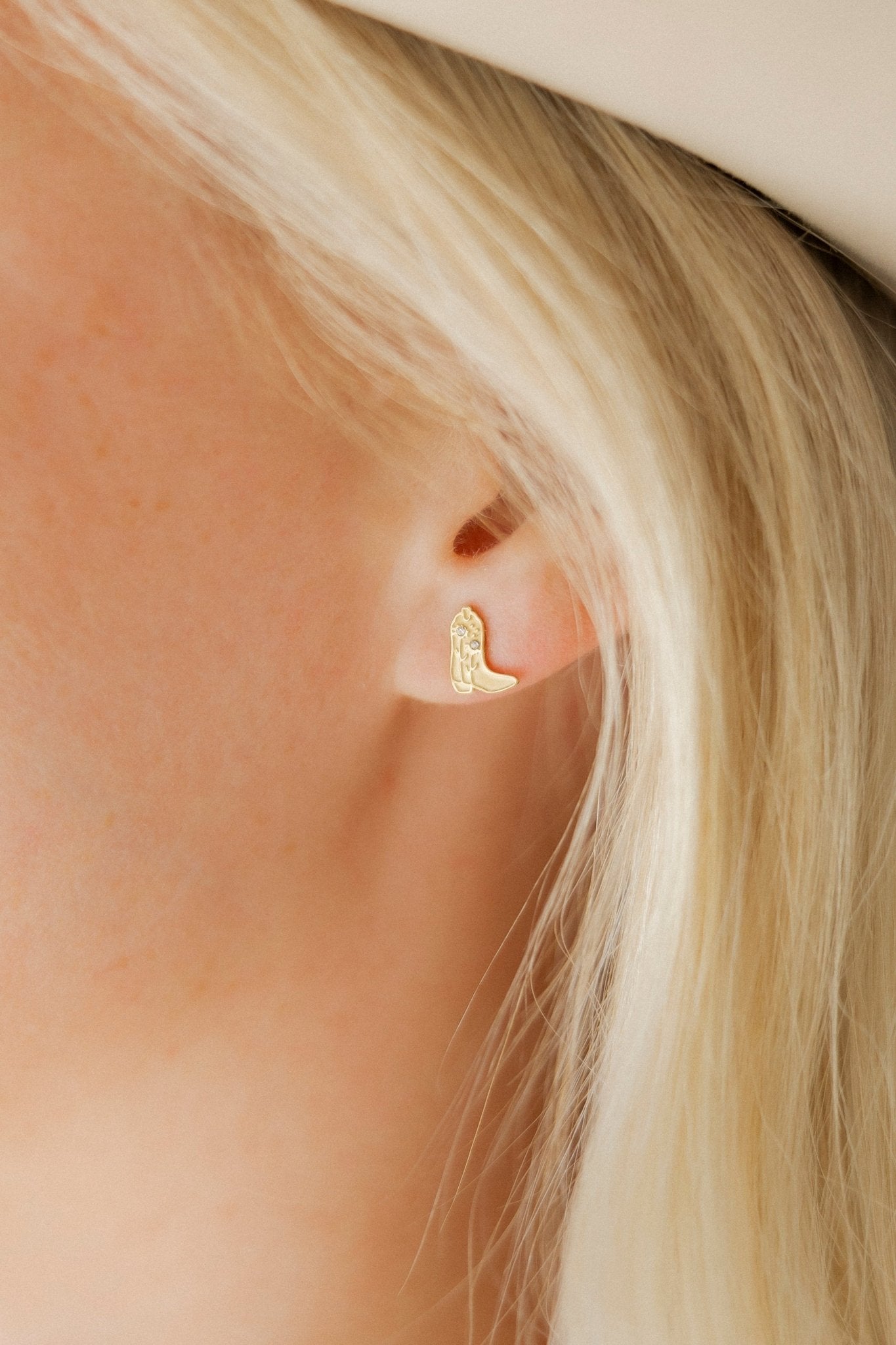
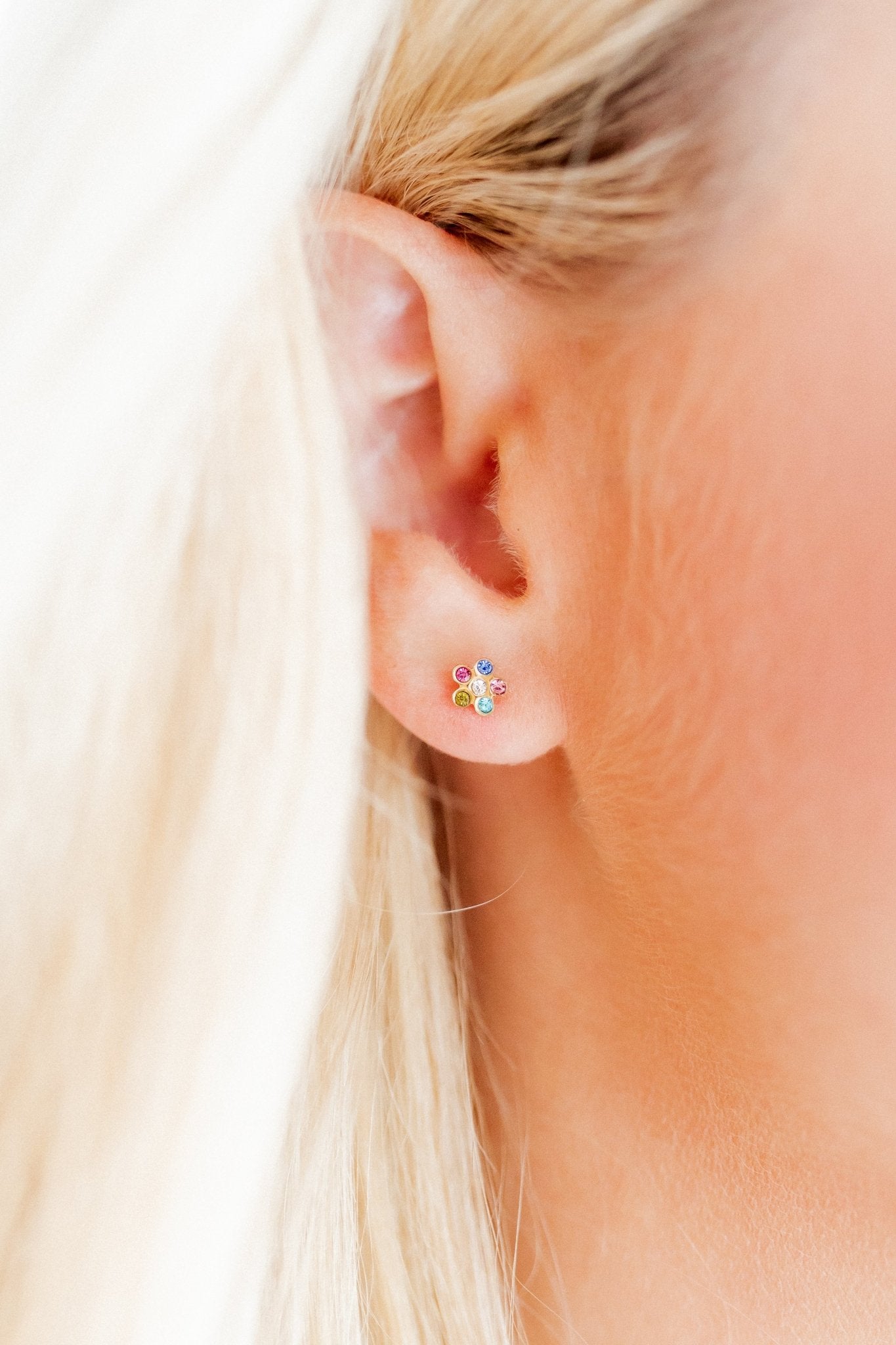
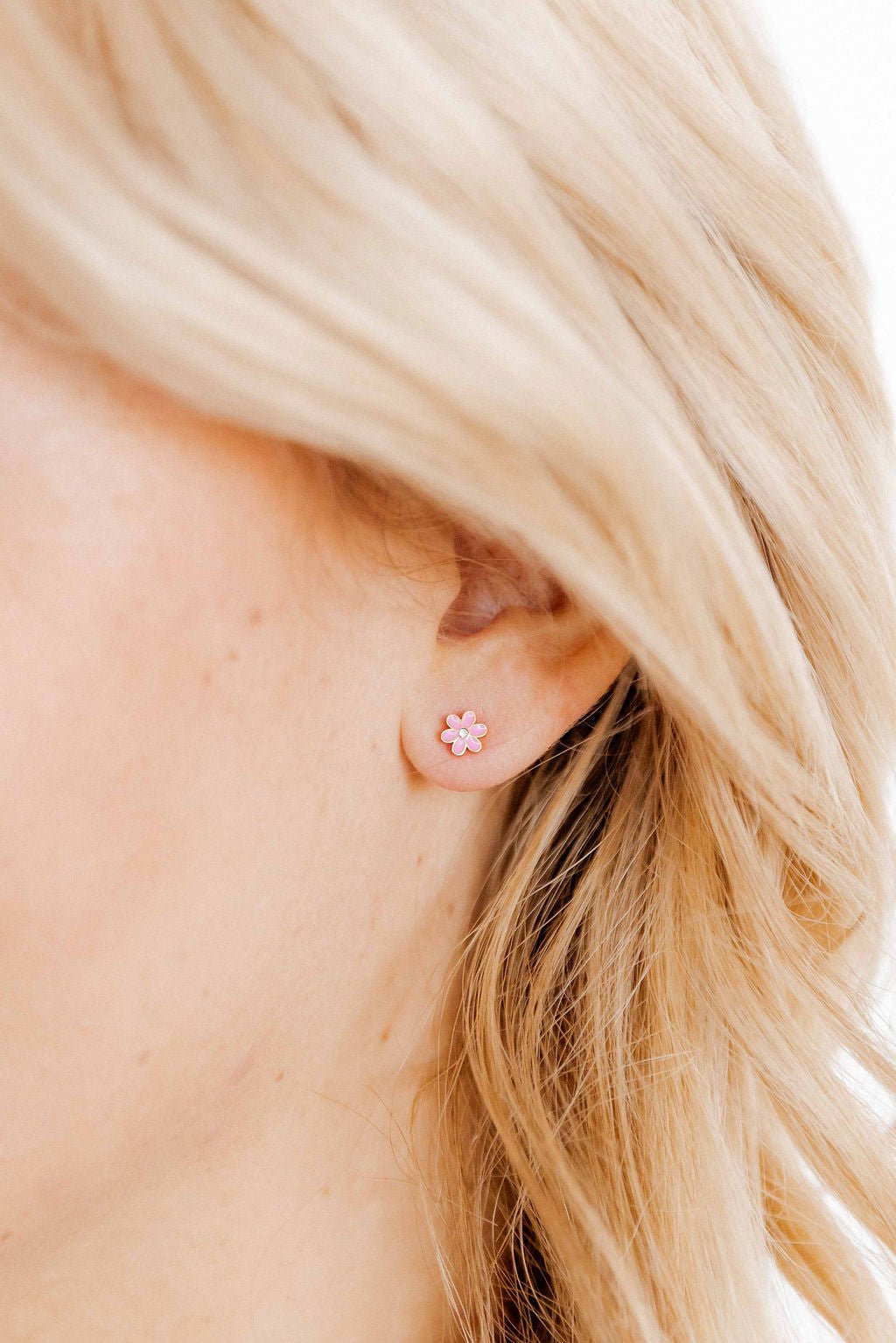
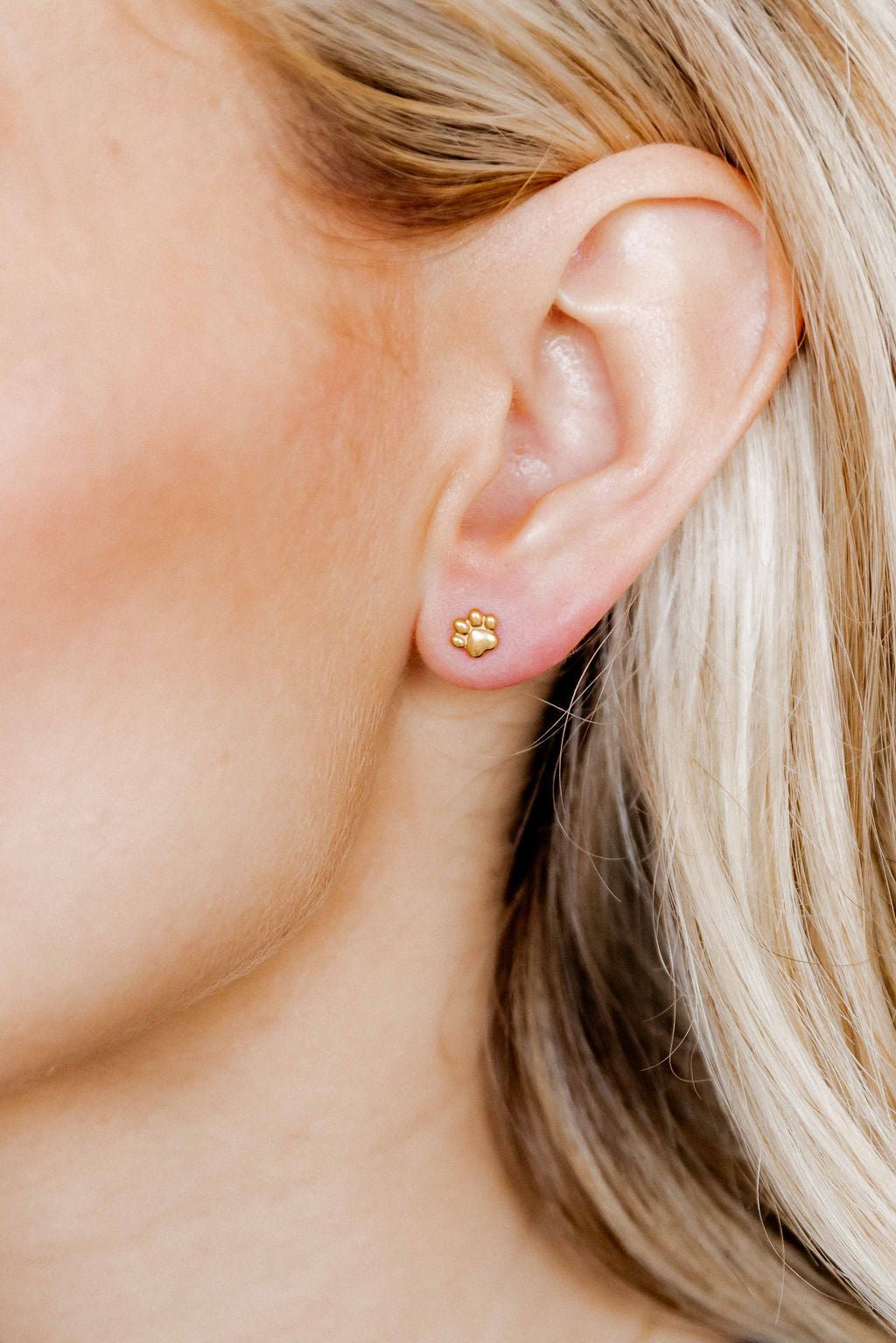
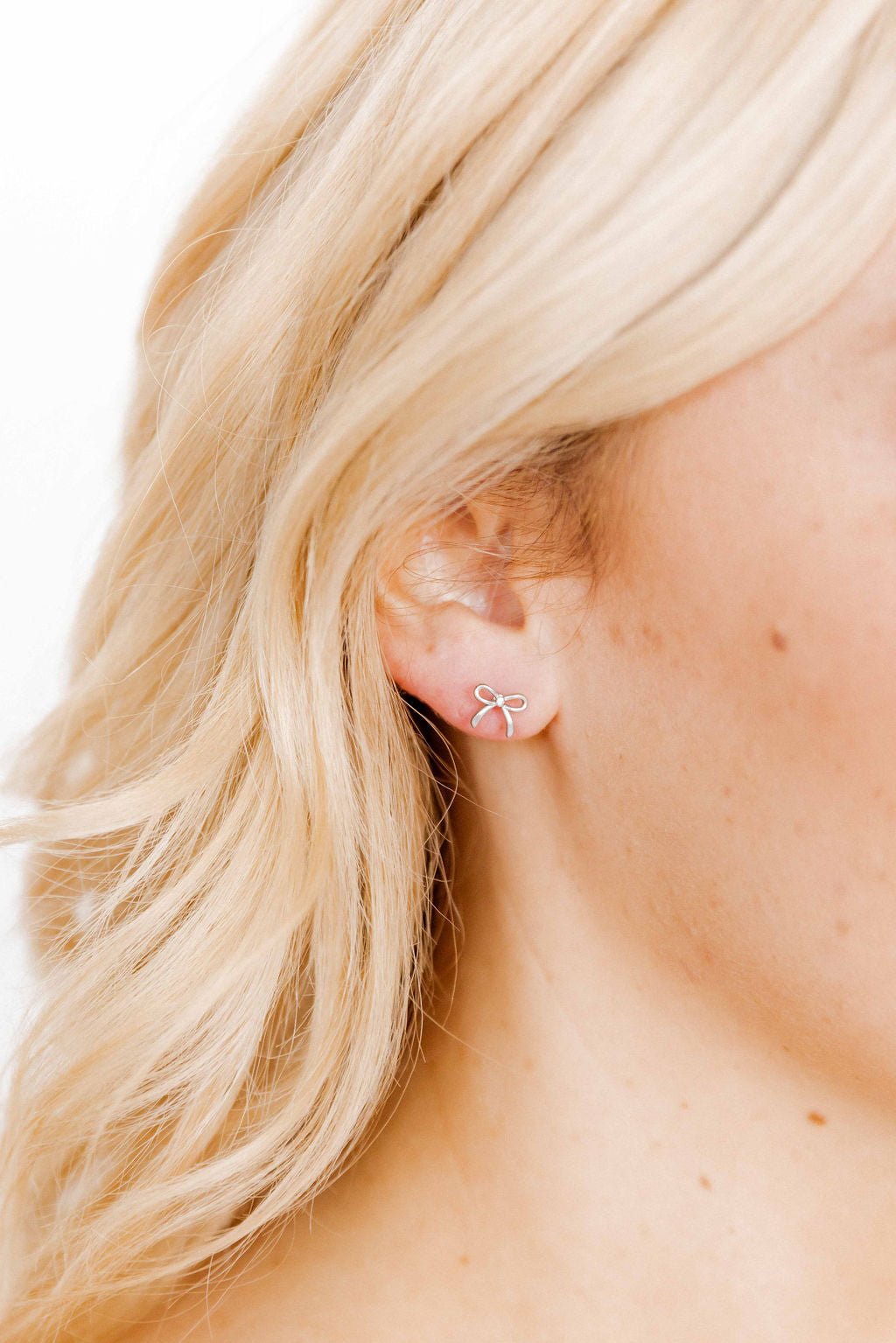
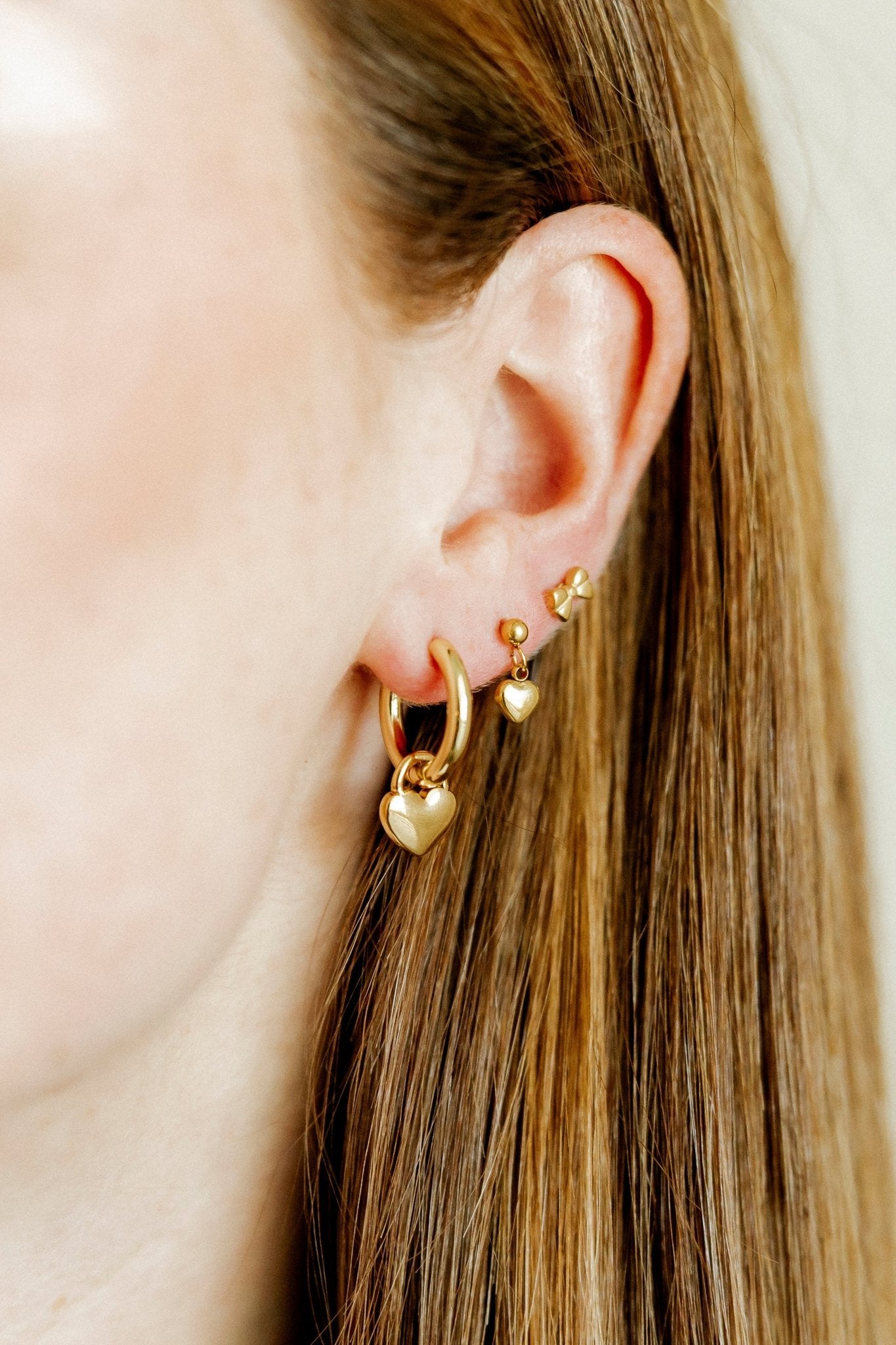
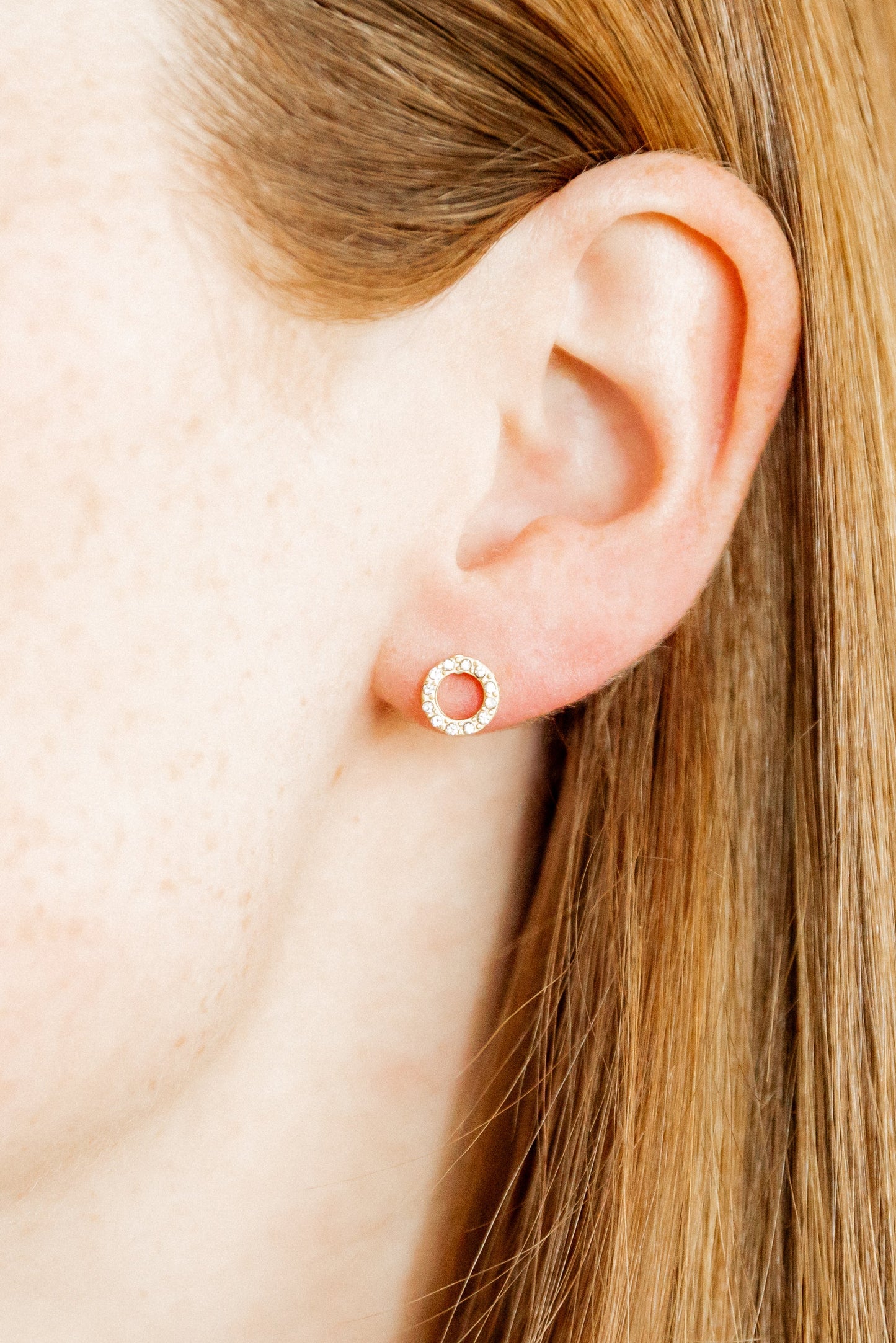
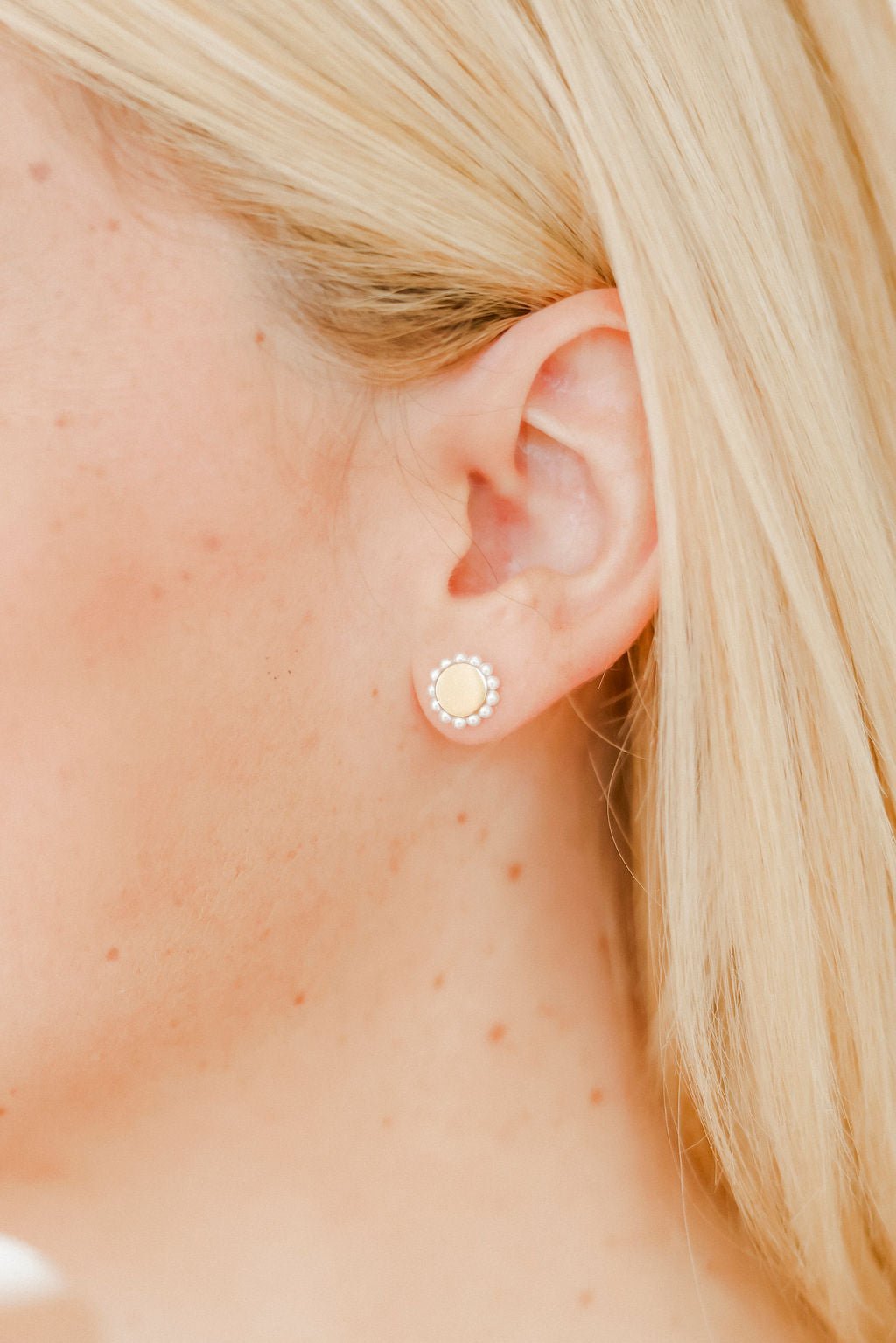
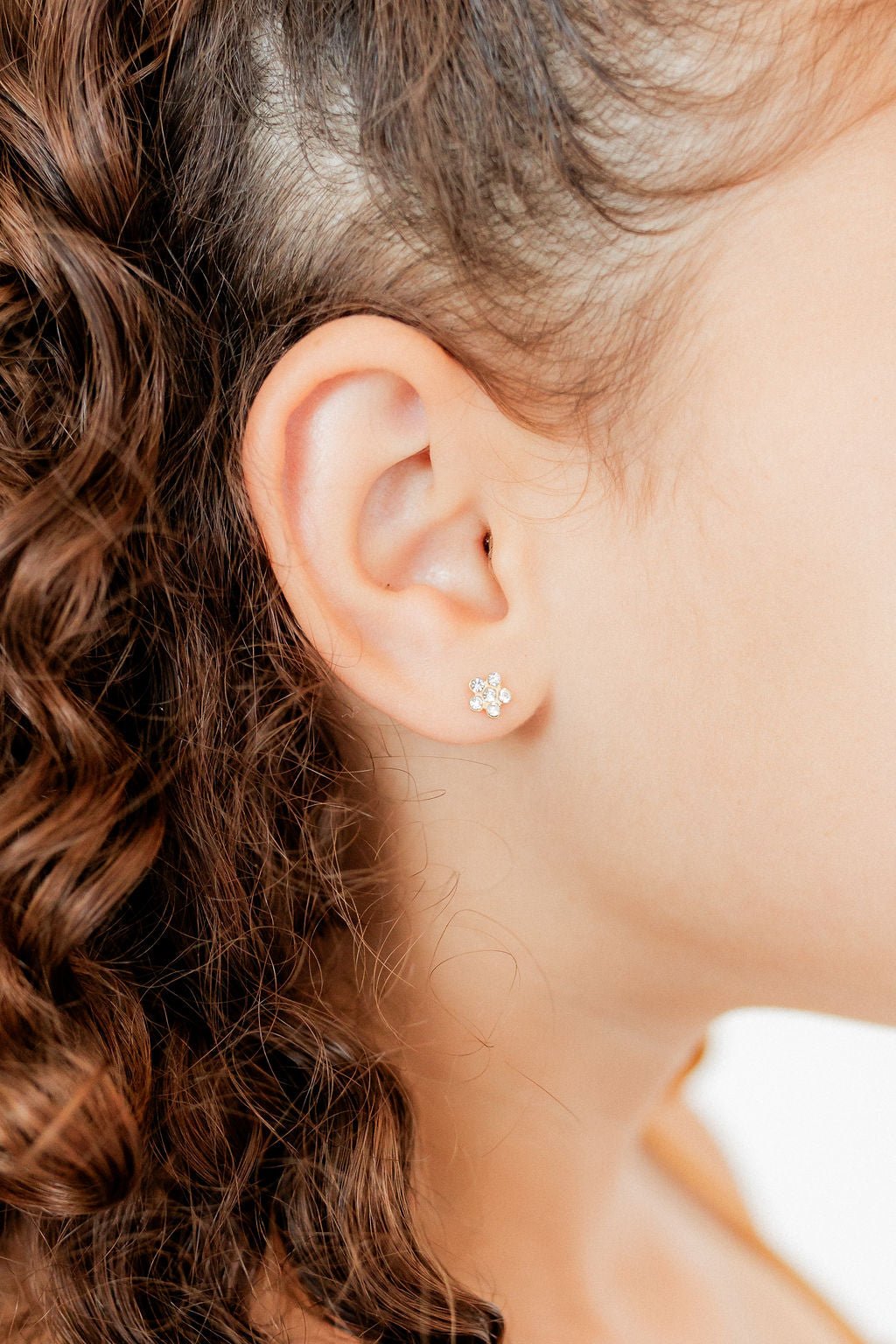
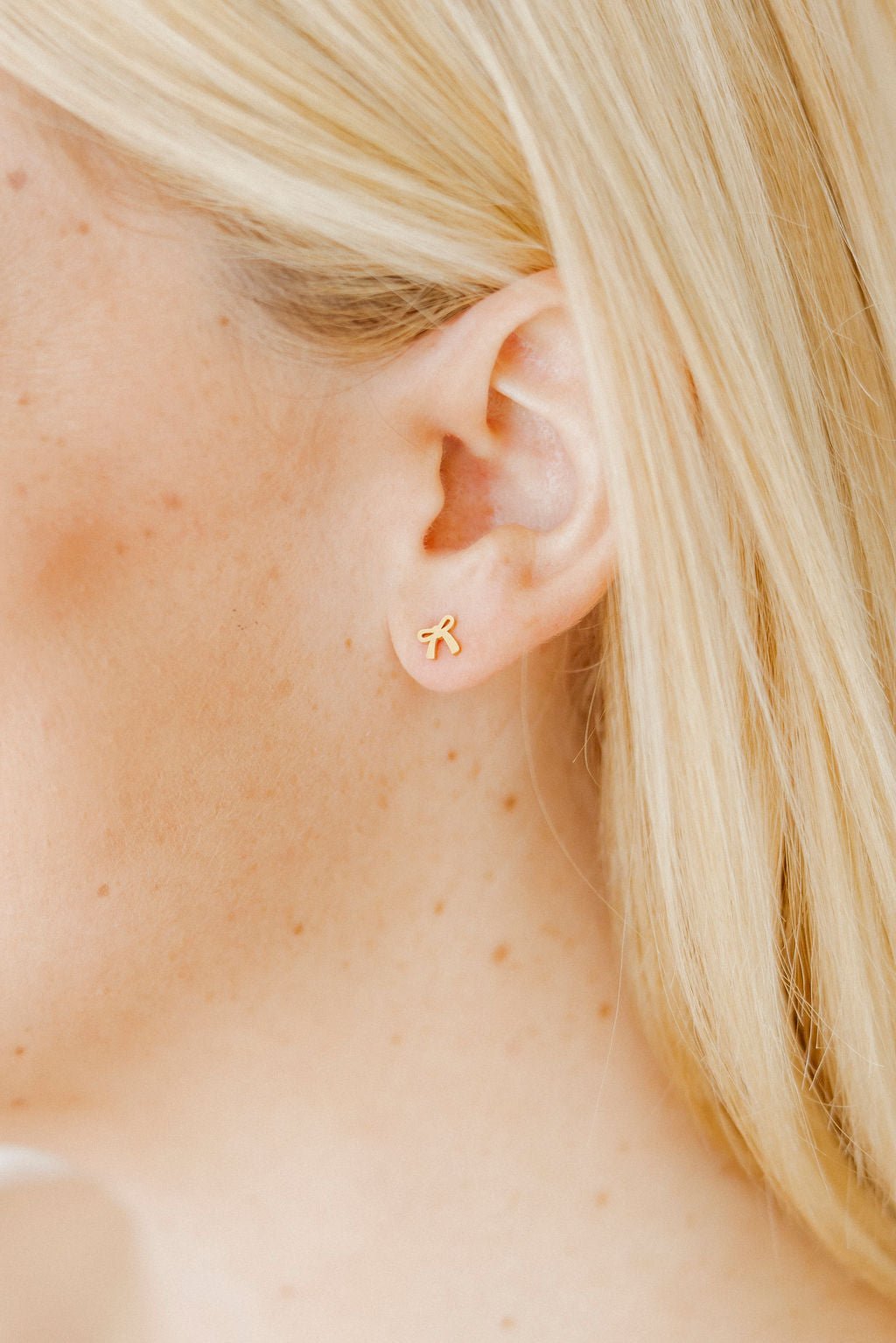
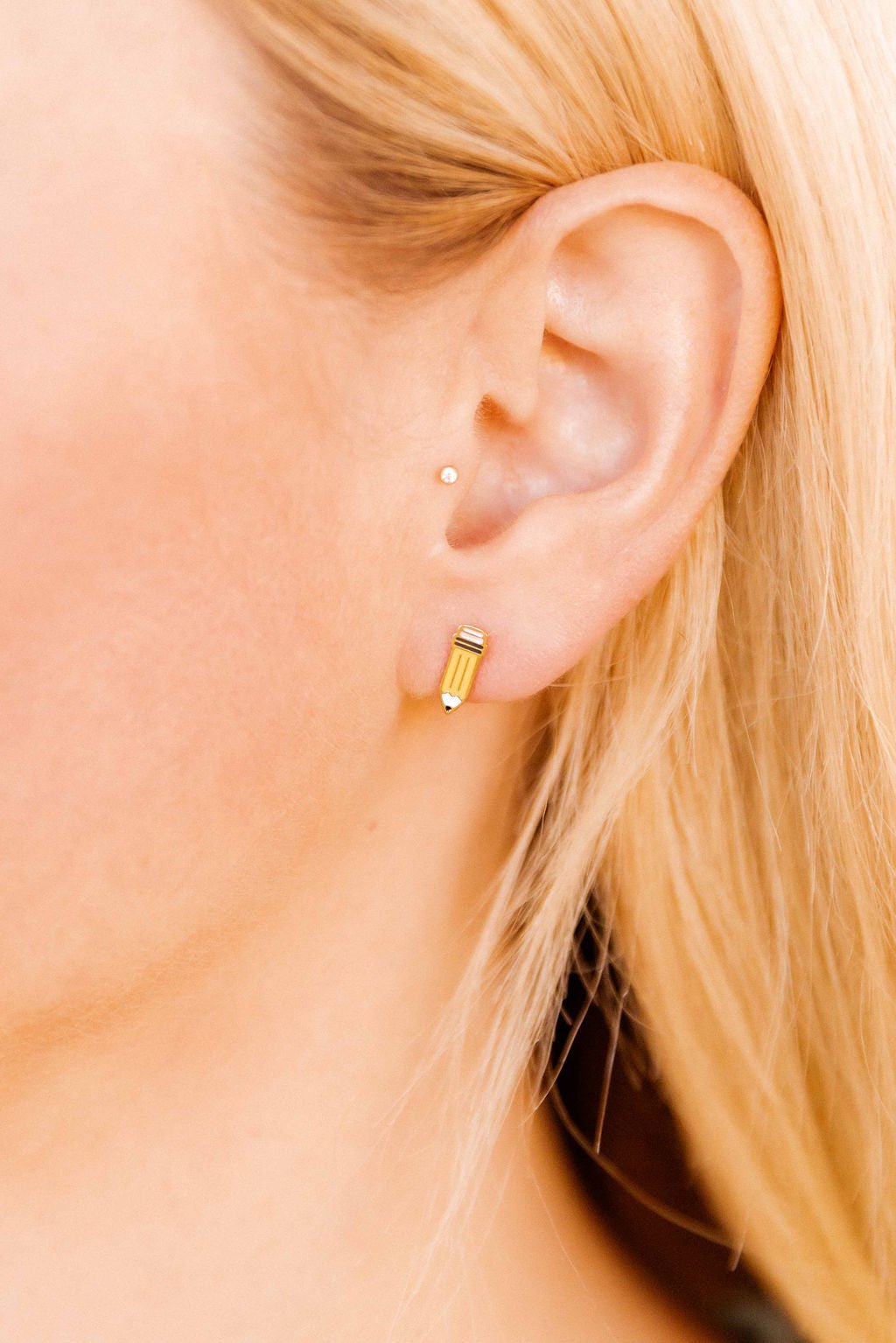
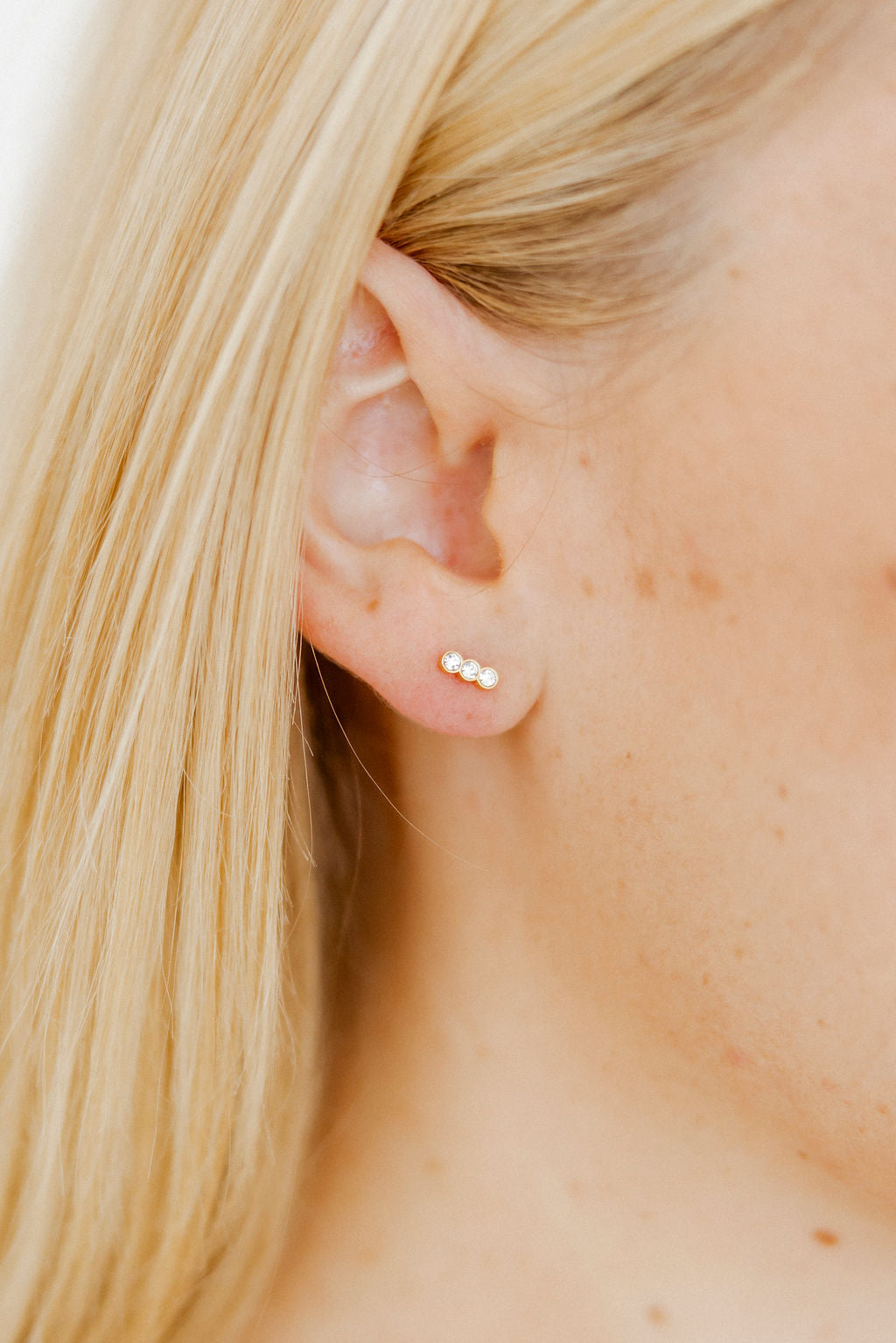
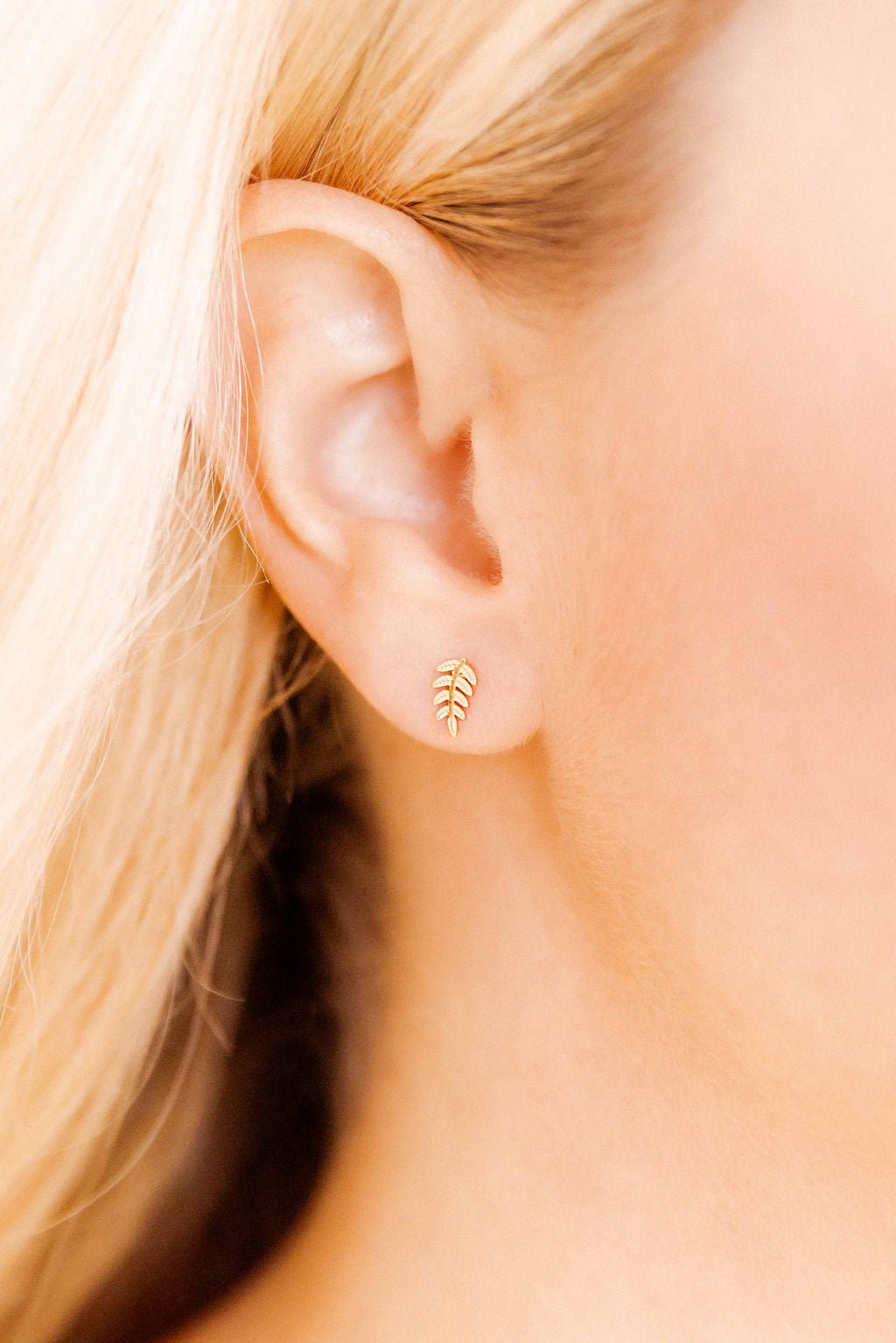
Motif sizes run from 2mm to 16mm across the range. An 8mm motif reads as a clear shape at conversational distance; a 3mm reads as a dot of colour. Neither is better — they do different jobs in a stack.
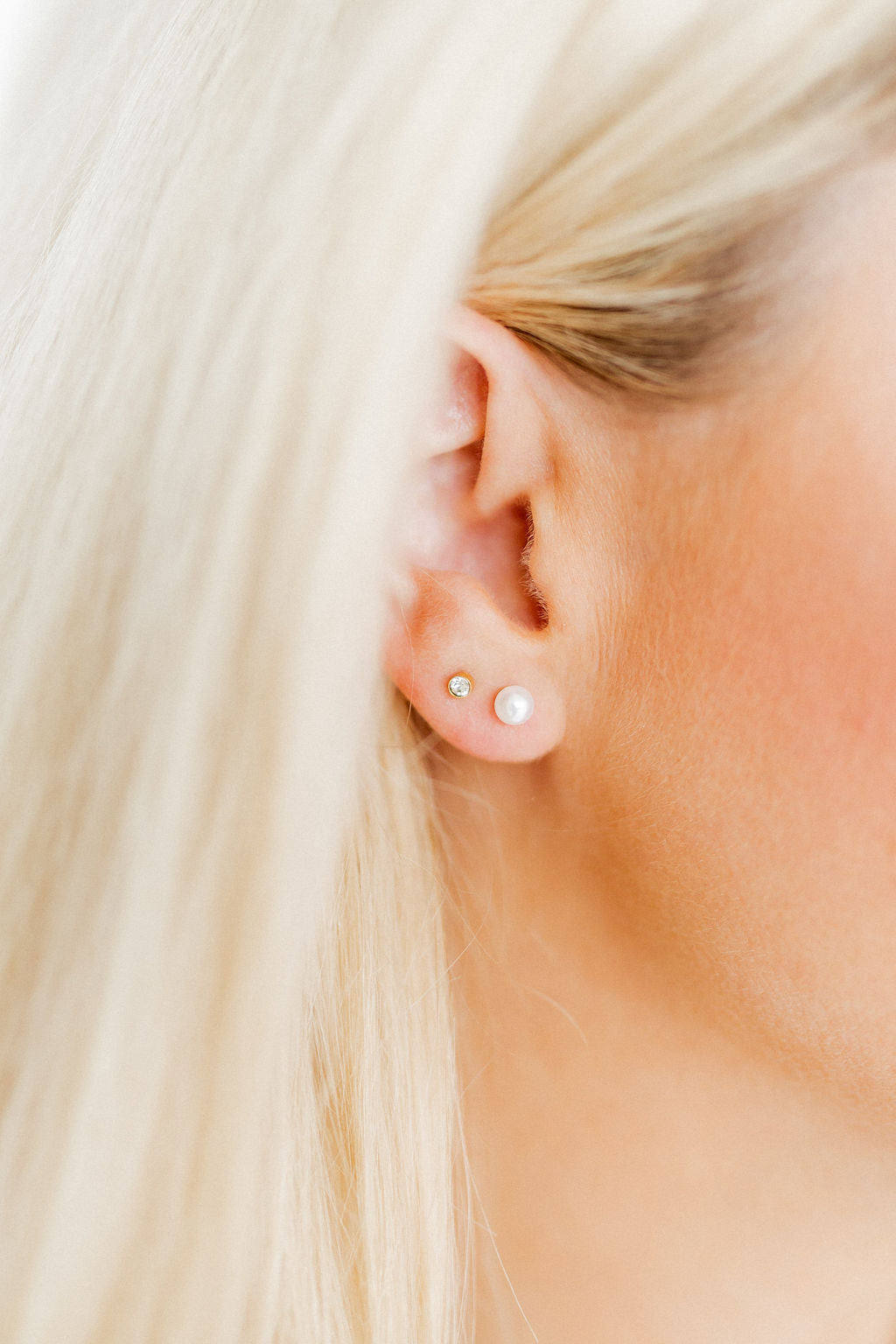
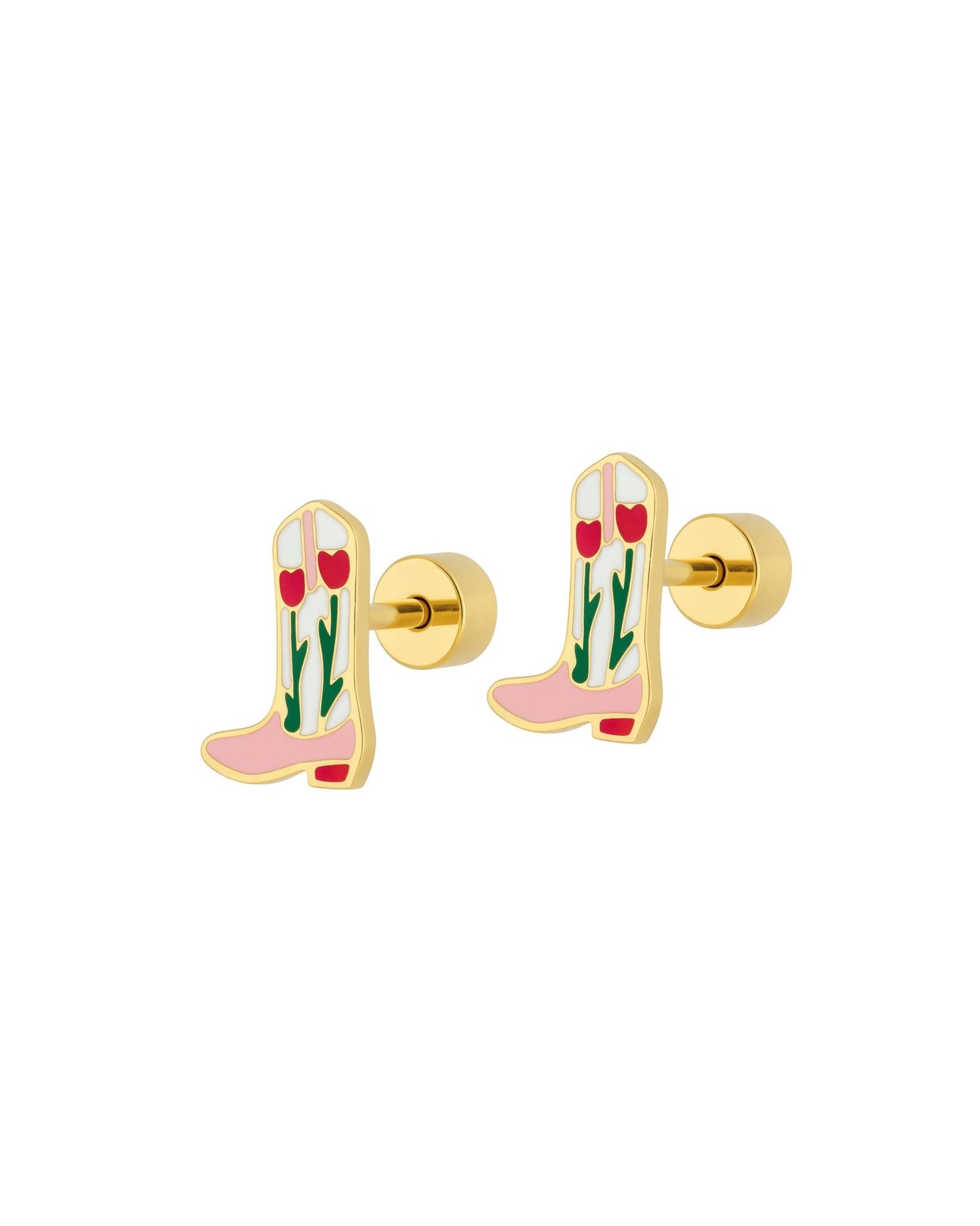
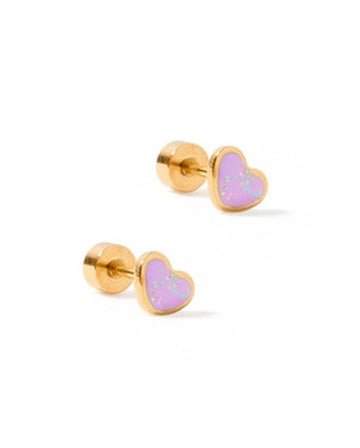
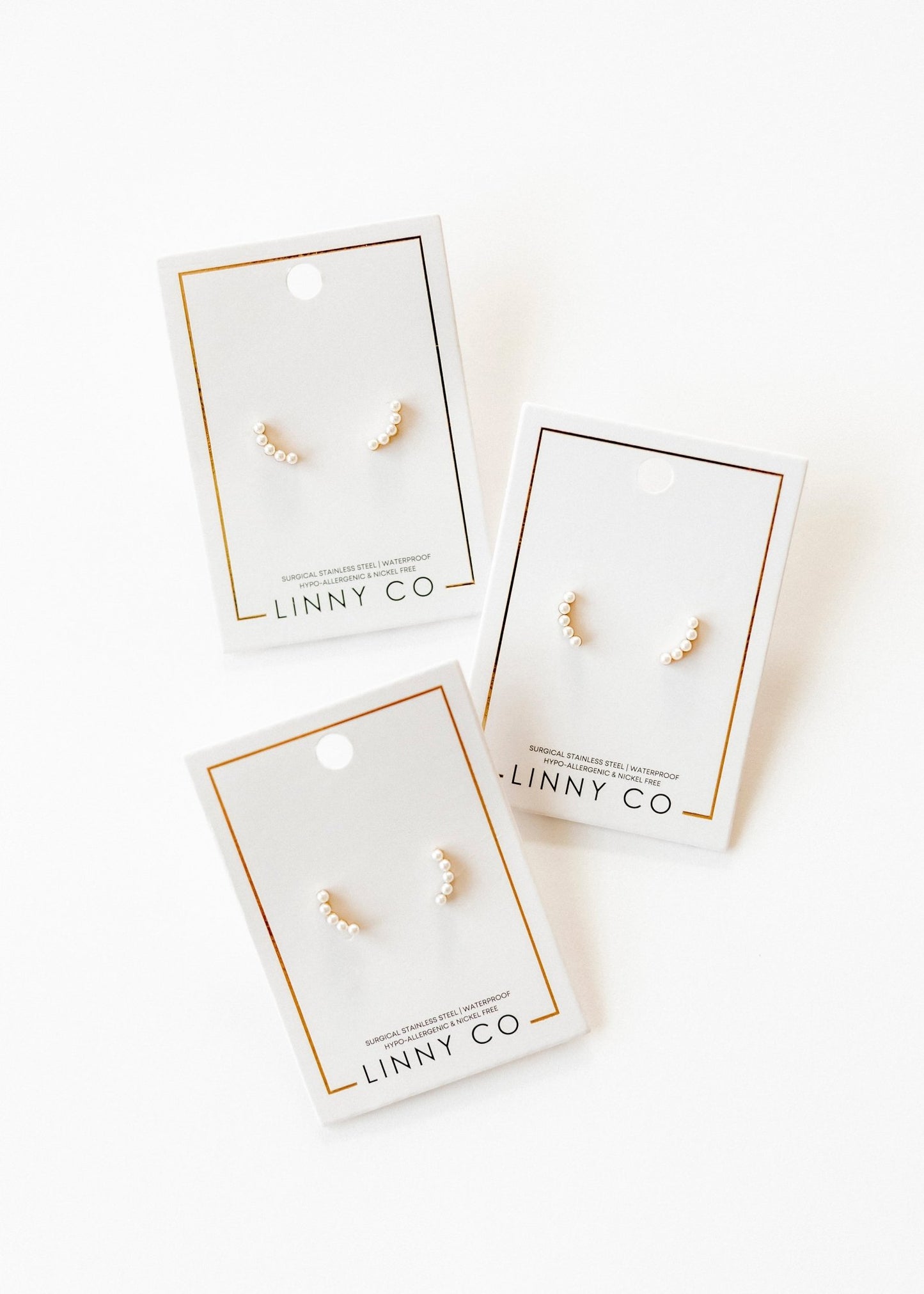
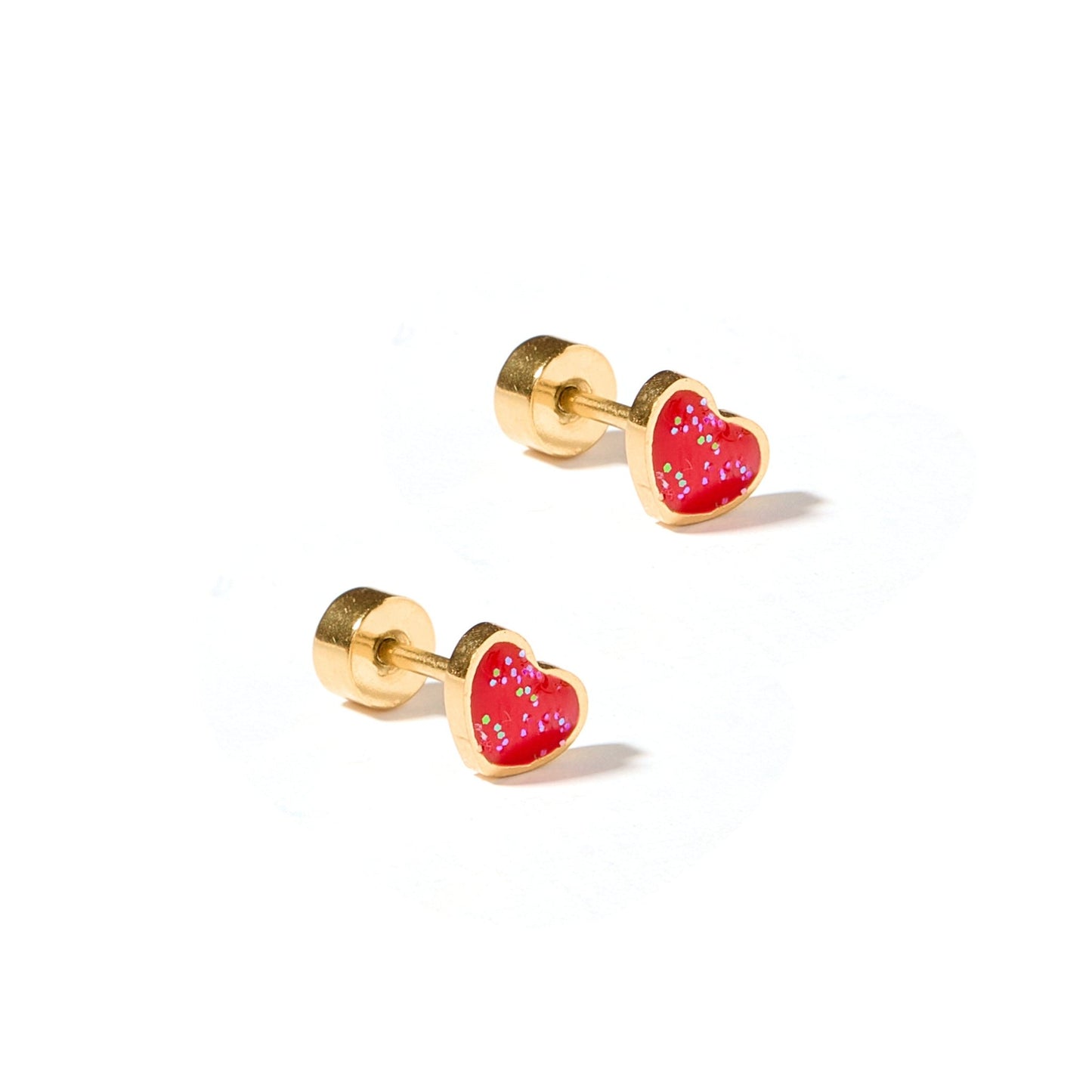
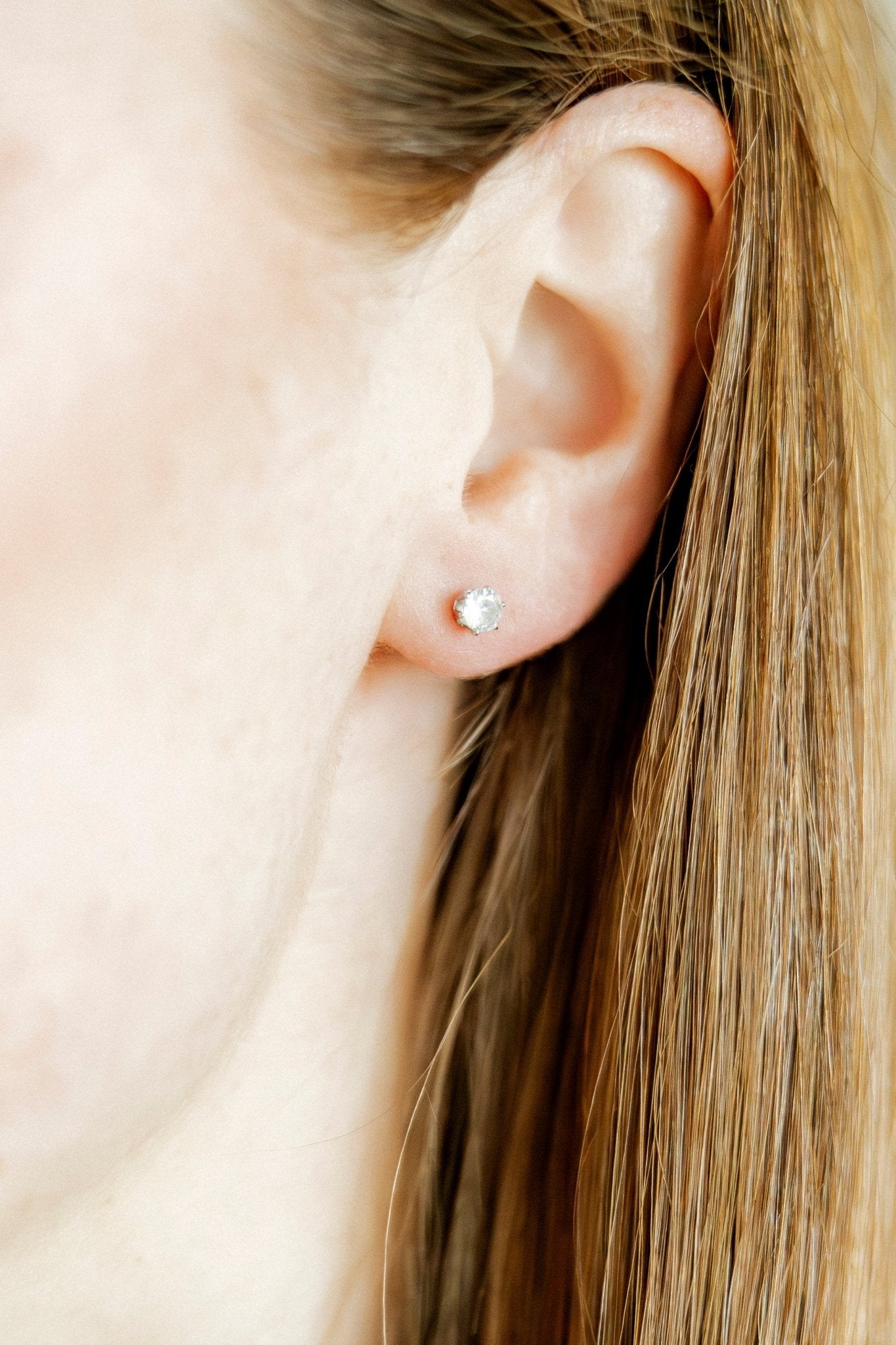
211 of the styles are gold-toned and 42 silver-toned. 44 carry enamel, 14 cubic zirconia and 13 a simulated pearl; the rest are plain metal.
If you want the widest possible choice of screw-on flat backs rather than only the waterproof-rated ones, the full screw-on flat back range is the larger page. For the same construction in other formats, there are waterproof huggies and waterproof necklaces. Everything the shop makes for sensitive ears sits together in hypoallergenic waterproof jewelry.
Yes, and that is what the waterproof rating on each product page is recording. Water itself does nothing to 316L. What shortens the life of a plated finish is residue left sitting on it — chlorine, salt, sunscreen, perfume. Rinse with fresh water after a pool or the sea and dry before they go back in a drawer. There is more on what actually happens to an earring you never take out.
That is the format's main advantage. The flat back gives the lobe nothing to press against, and the screw closure cannot be nudged open by a pillow. Most people who switch stop taking earrings out at night at all.
Not in the way push backs do, because there is no friction fit to fail. The failure mode is different: a back can loosen slightly over weeks if it was never fully screwed down. Check it with a fingertip now and then, the way you would a watch clasp.
Hold the front of the stud still, feed the post through, and turn the back clockwise until it is snug. It does not need to be tight — snug is the whole travel of the thread. To take it out, hold the front and turn the back the other way.
Yes, and it is one of the better uses for them. A lost back in a higher piercing is harder to notice and harder to replace, and the low profile of a flat back sits closer to the ear in a stack than a domed post does.
They describe two different ends of the same earring. Flat back is the shape of the disc behind the lobe; screw back is how that disc attaches. Everything in this collection is both. The longer explanation is here.