Offer
Provide additional details about the offer you're running.
FLASHSALE


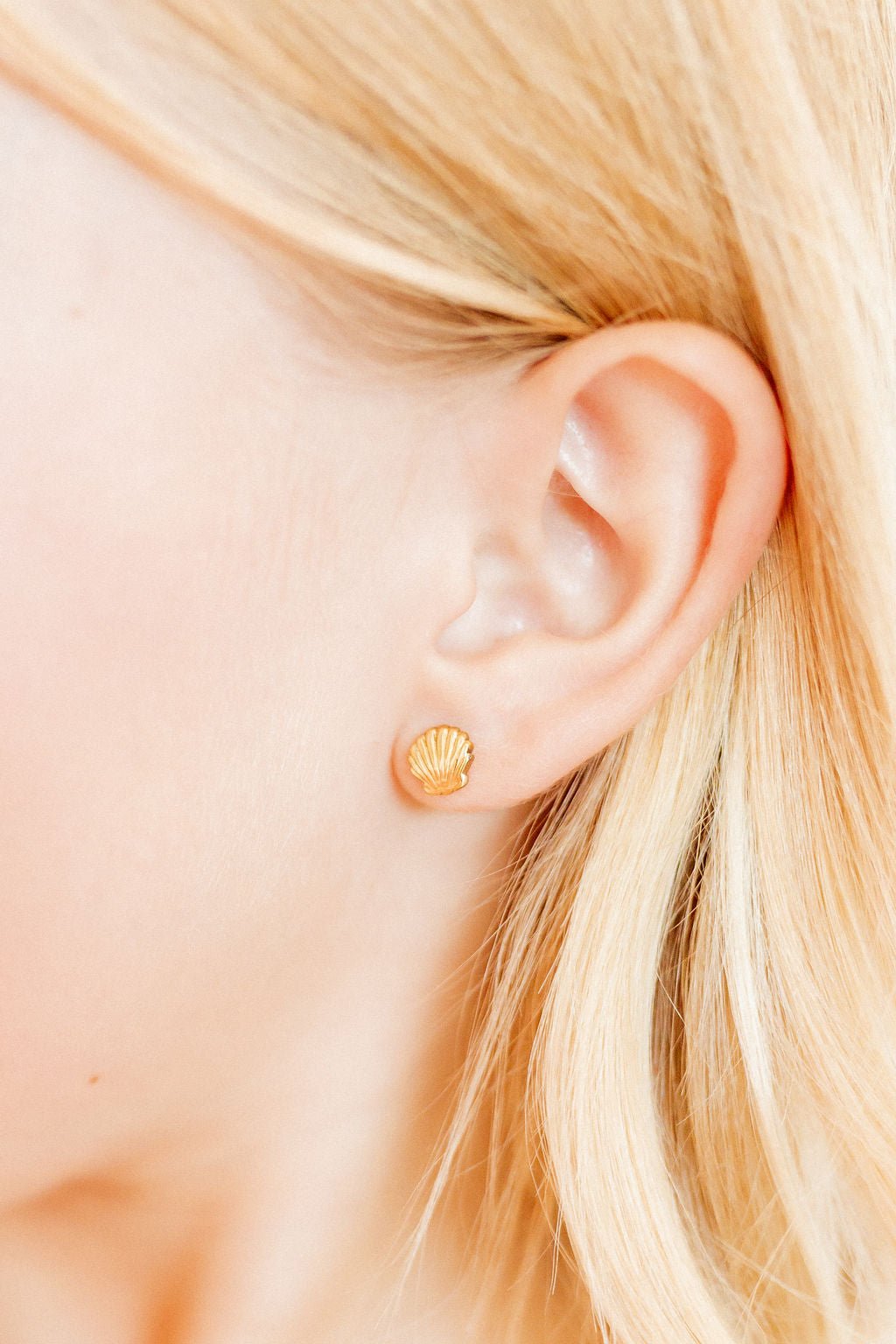
Gold jewelry has a reputation for going wrong on sensitive ears, and the reason is usually the metal underneath. Most inexpensive gold jewelry is plated over brass. As the plating wears, copper in the brass meets skin, and you get the green mark and the itch.
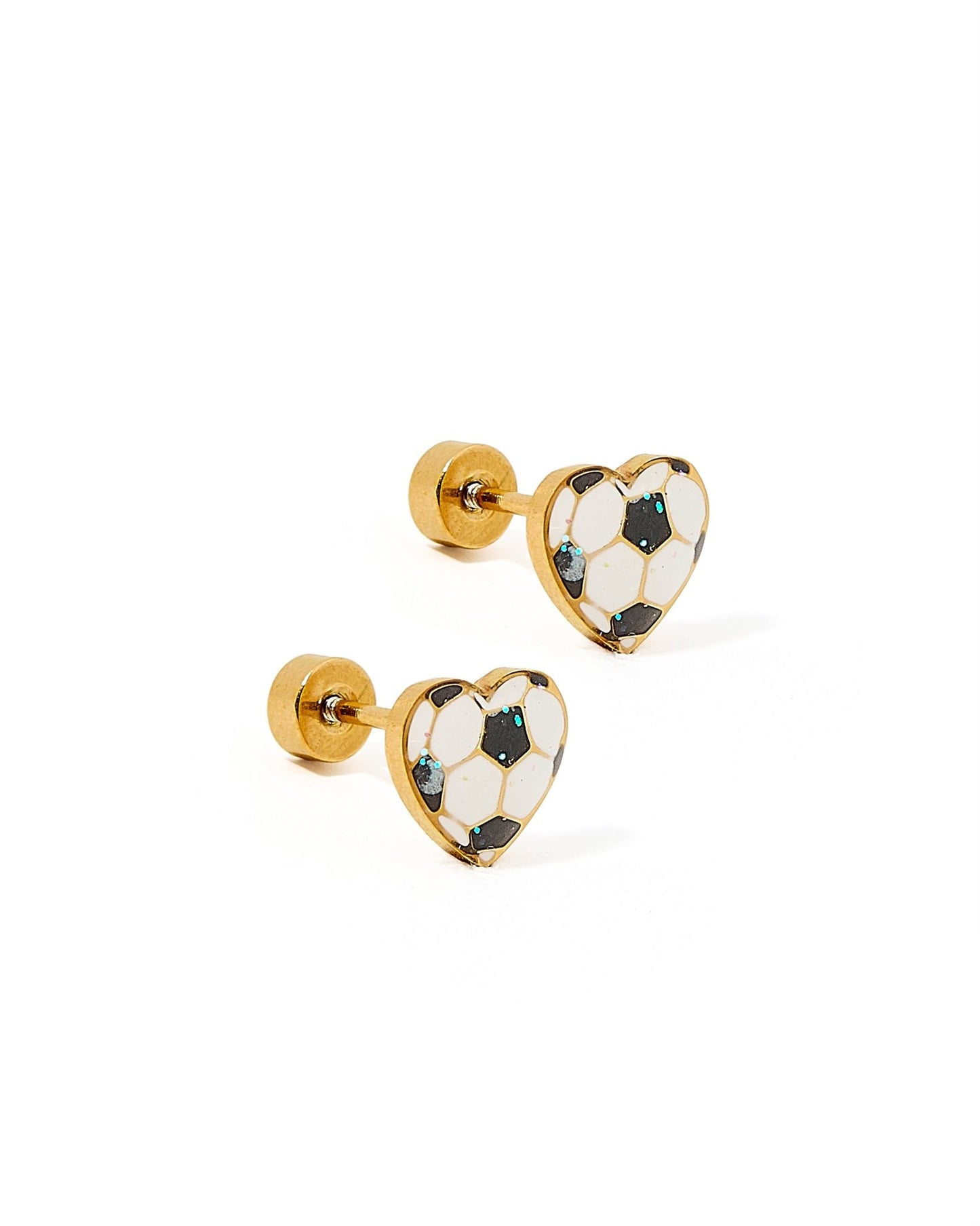
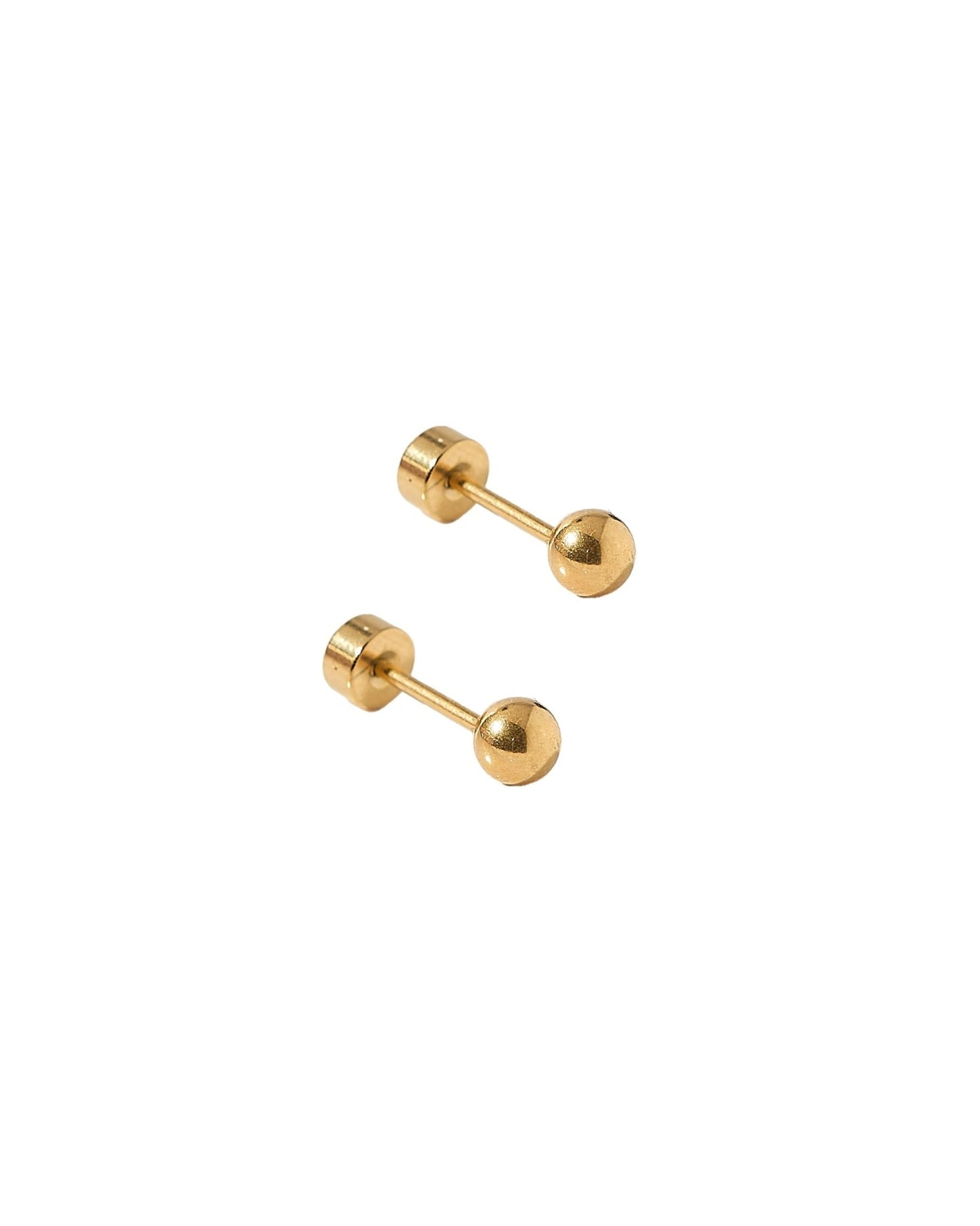
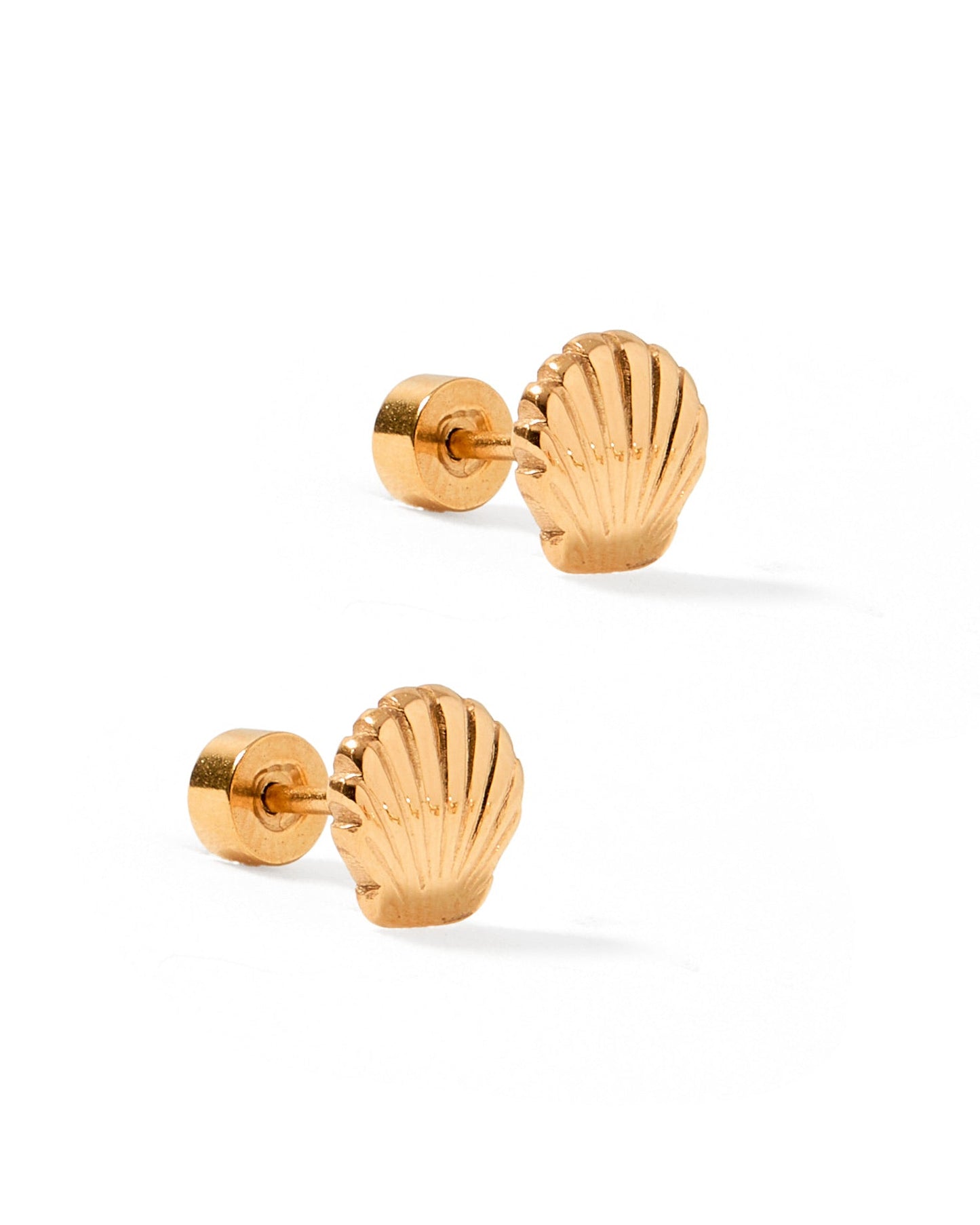
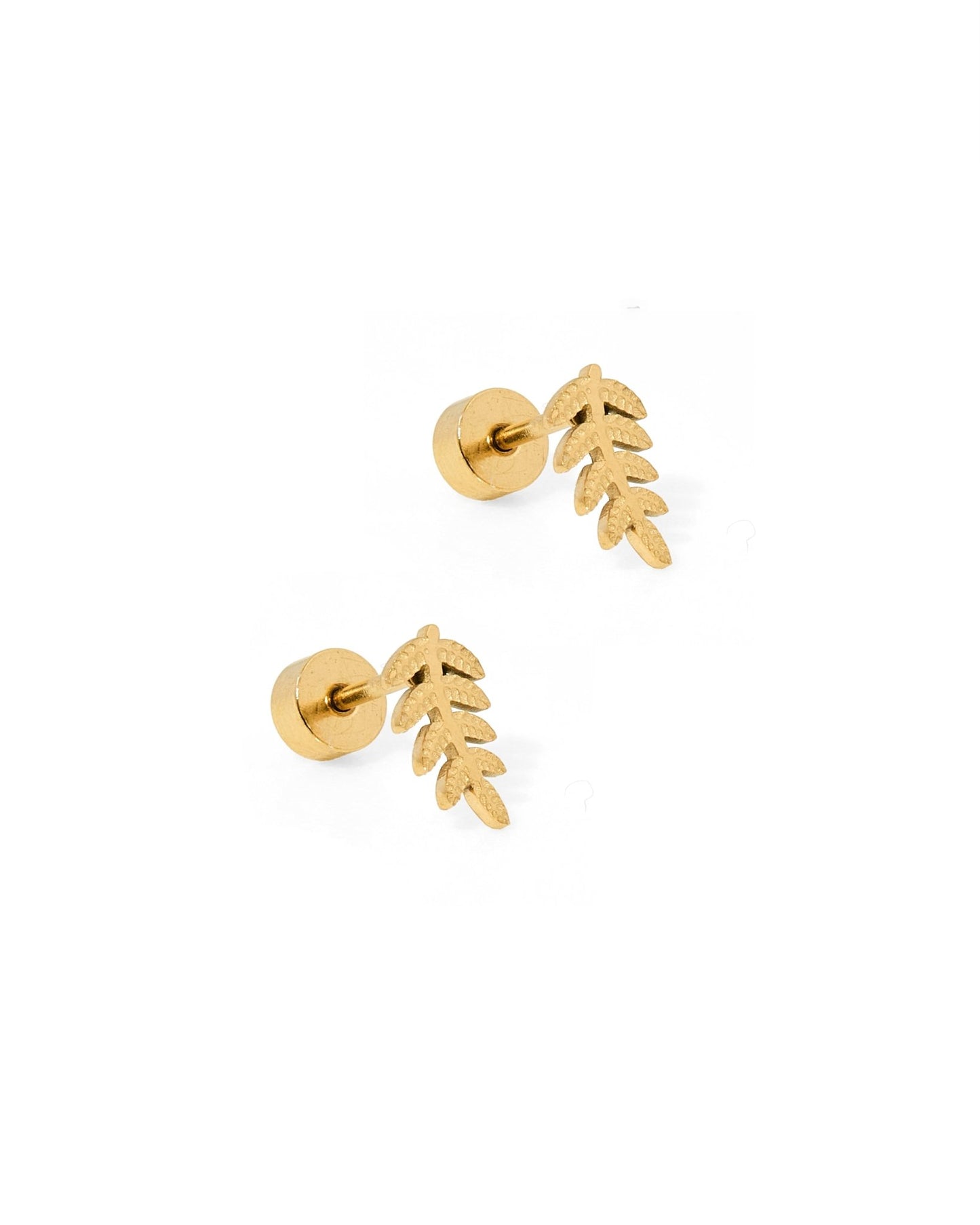
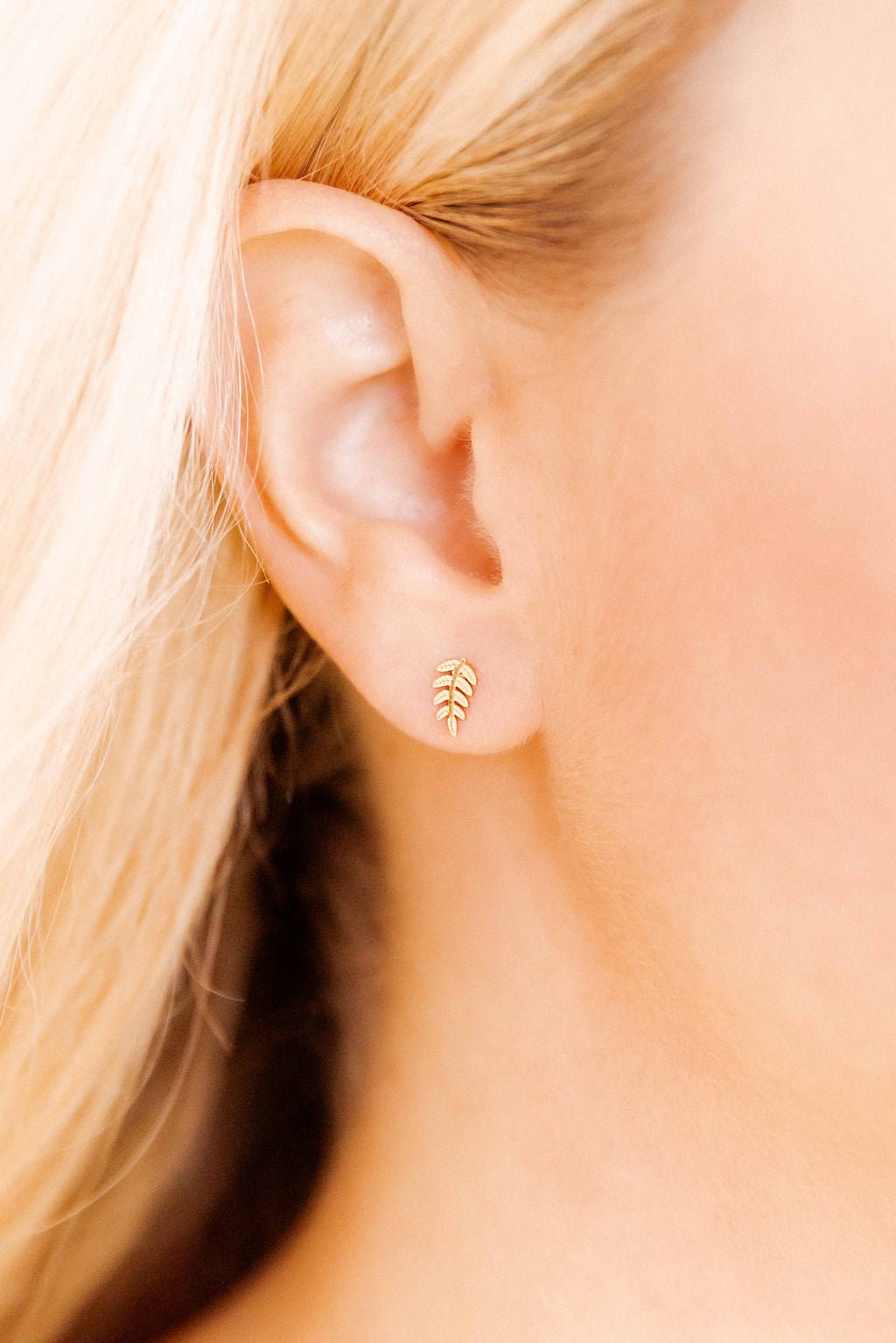
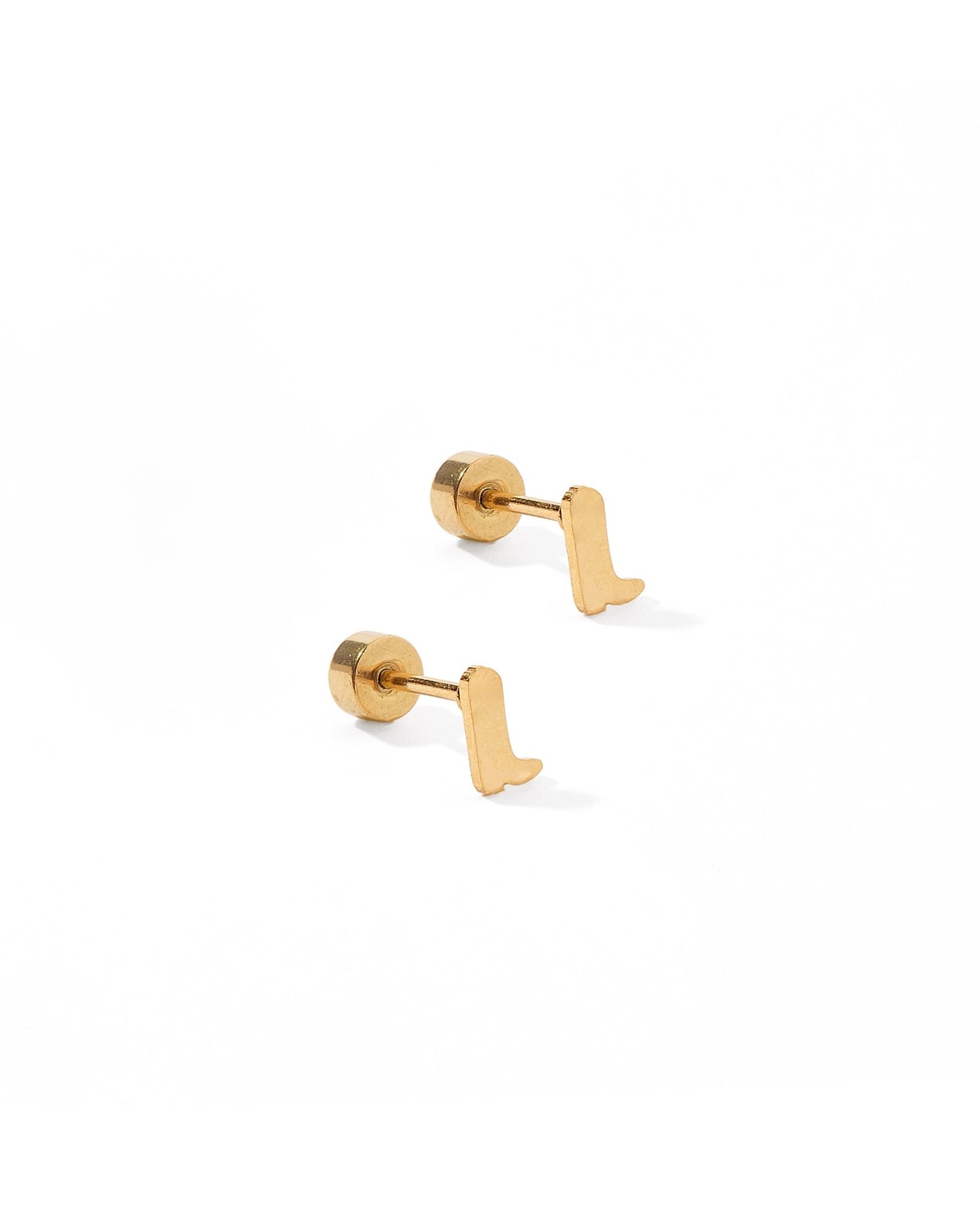
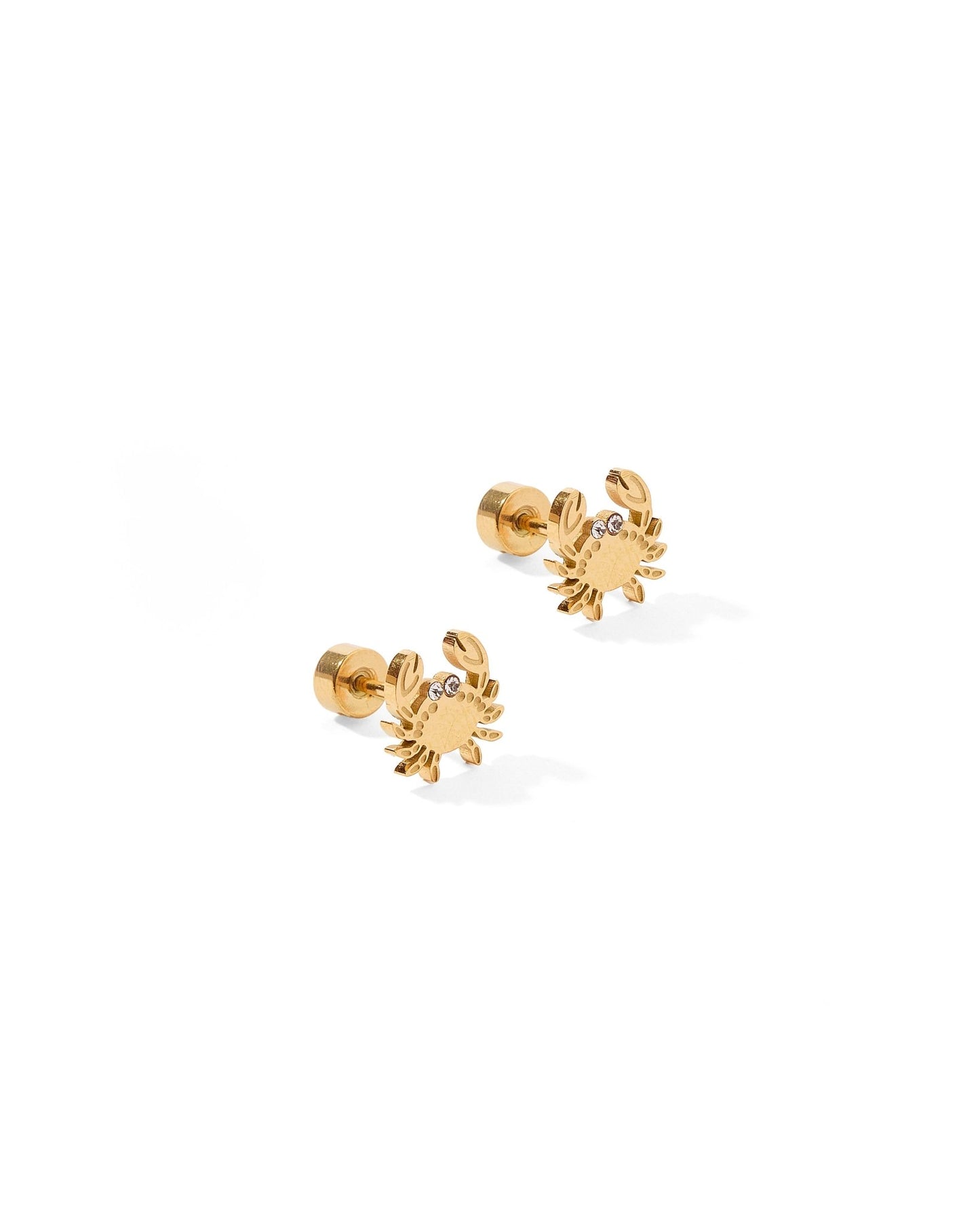
These are plated over 316L surgical-grade stainless steel instead. The gold you can see is the finish; the post that sits in your piercing is 316L steel, which does not react.
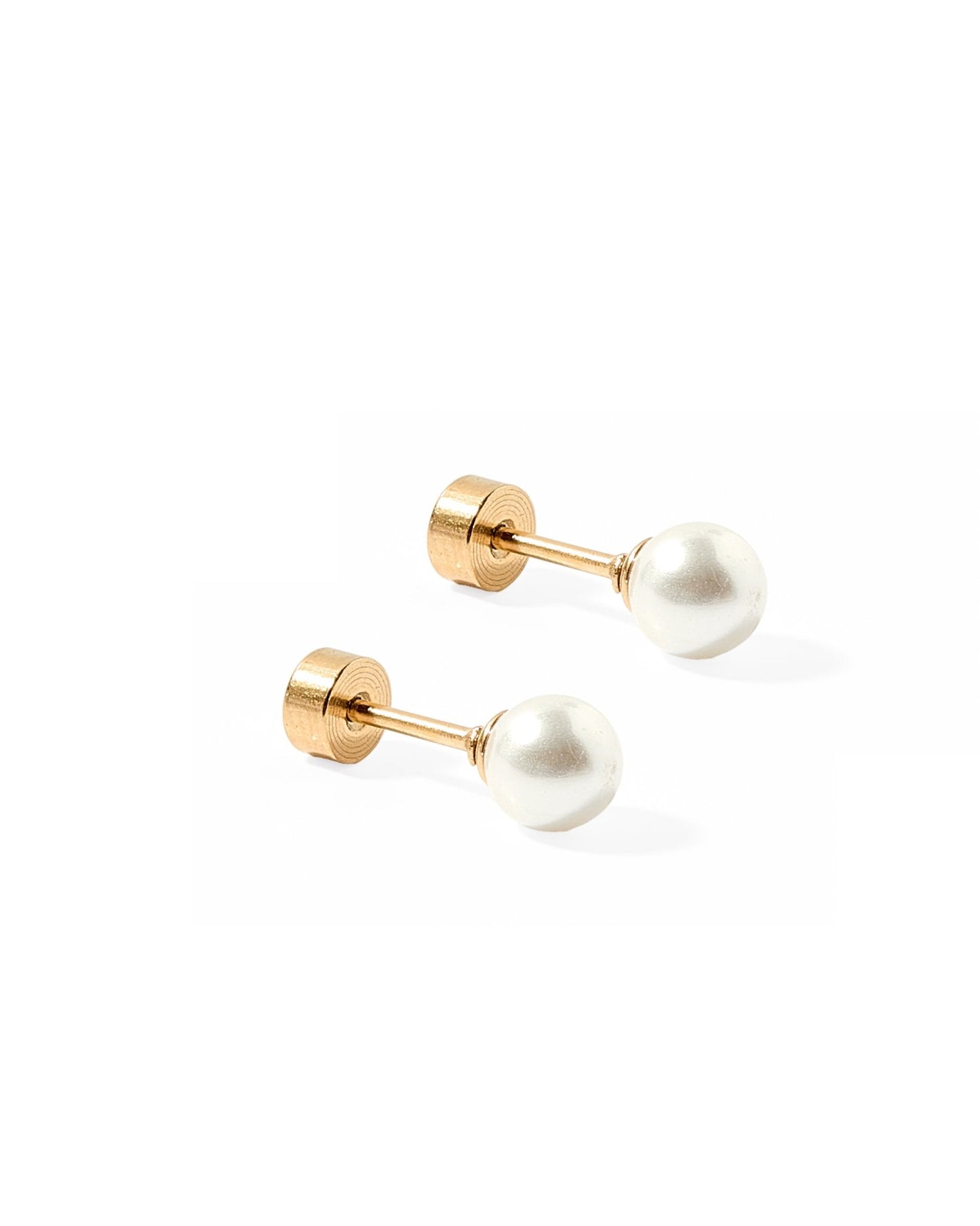
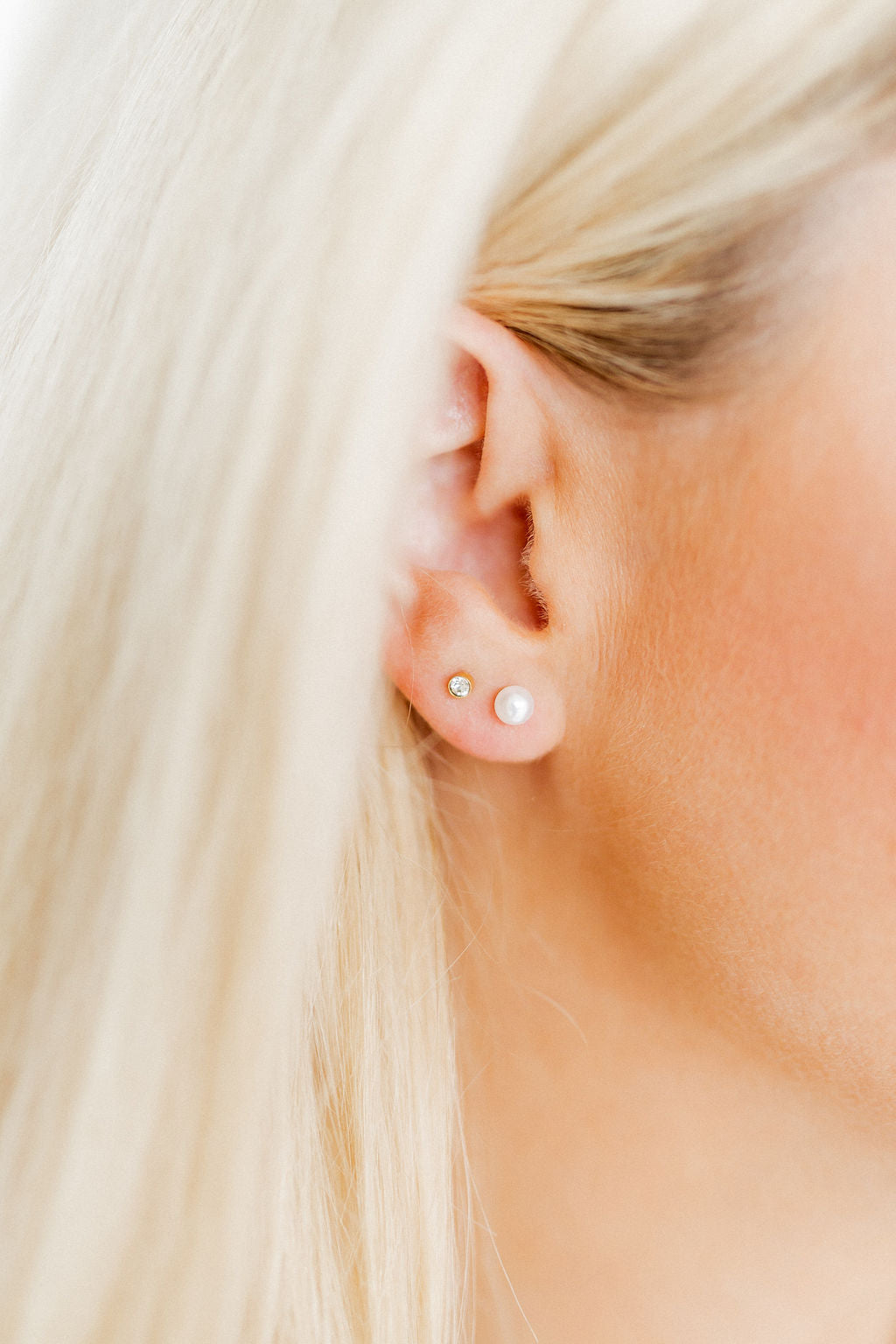
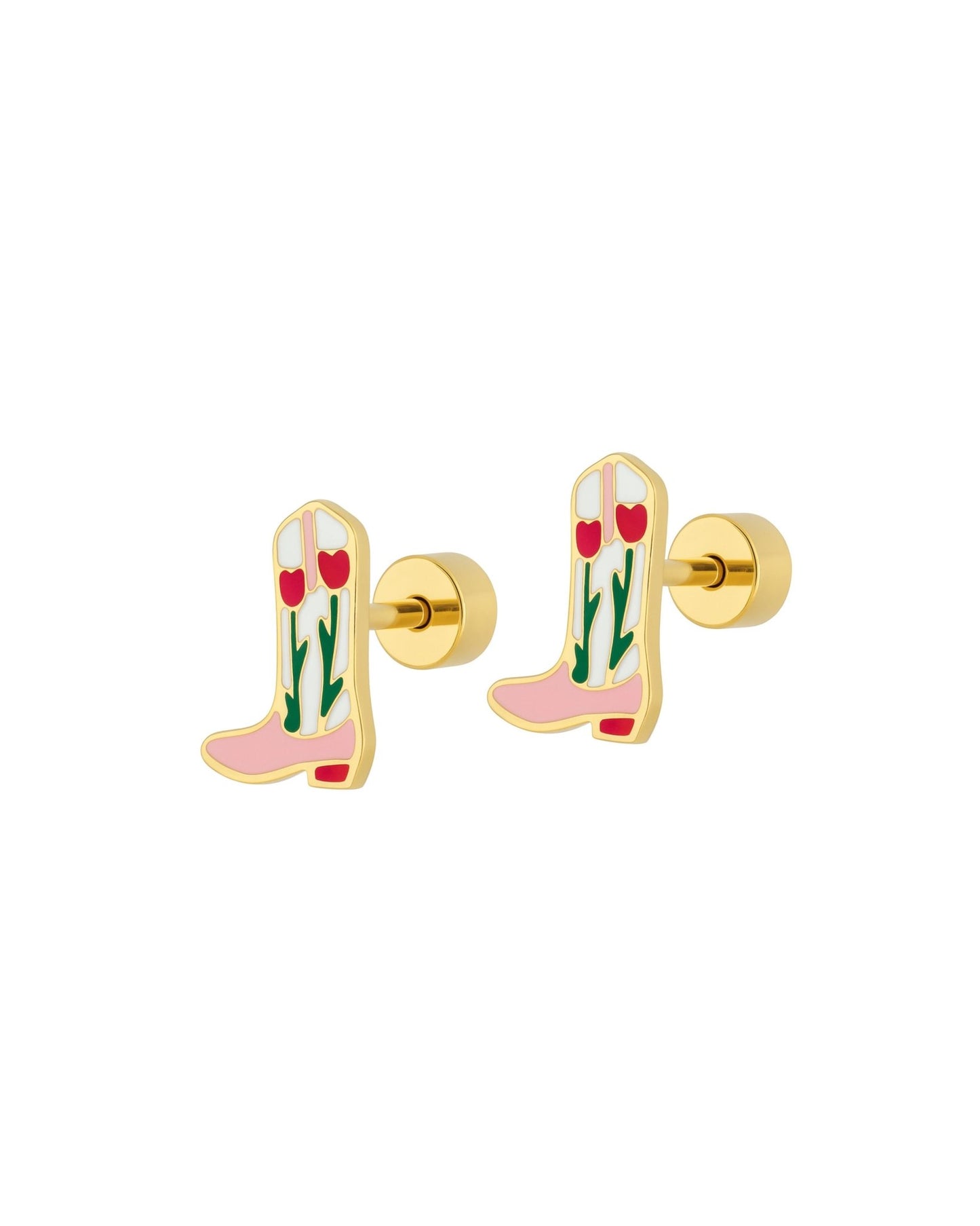
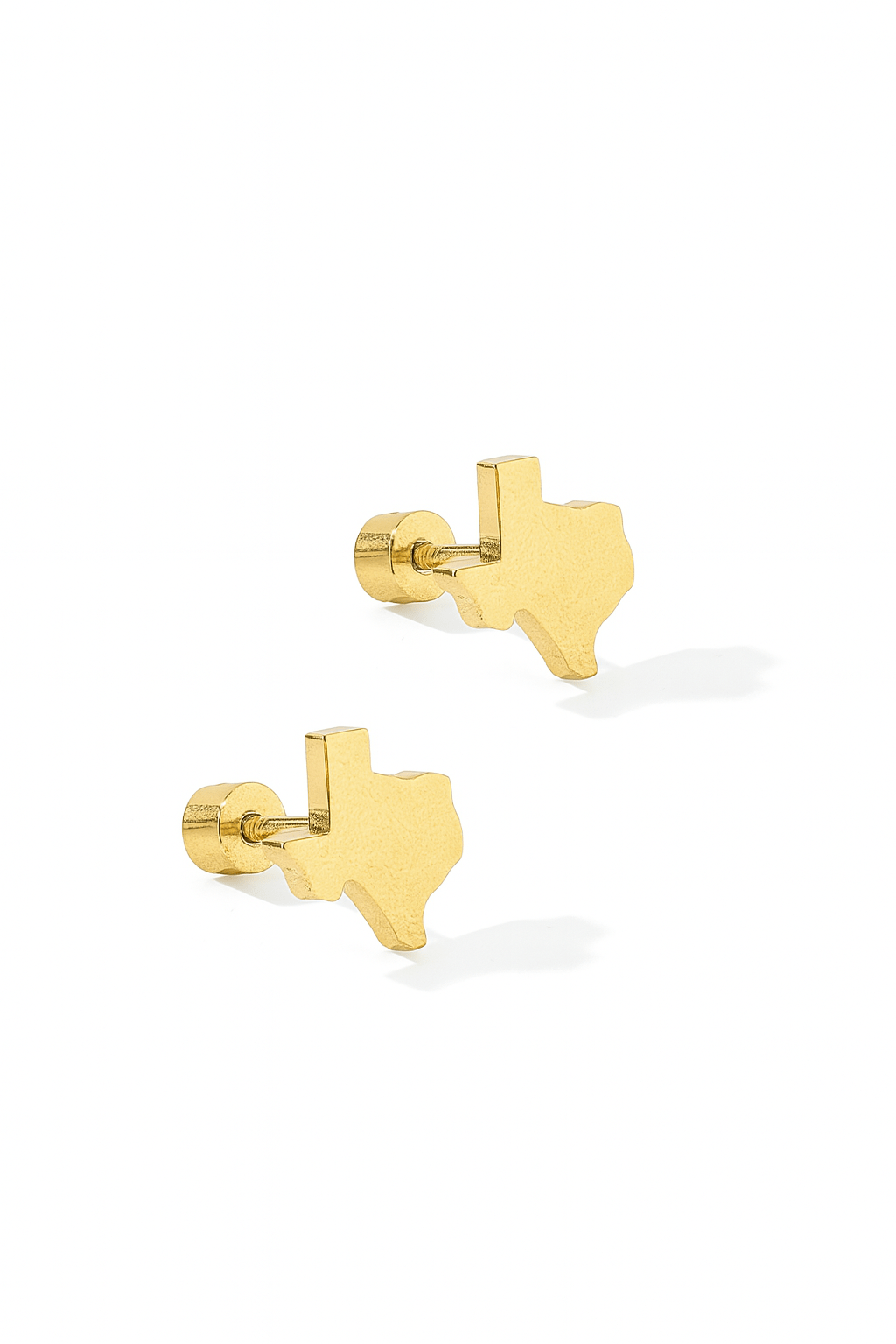
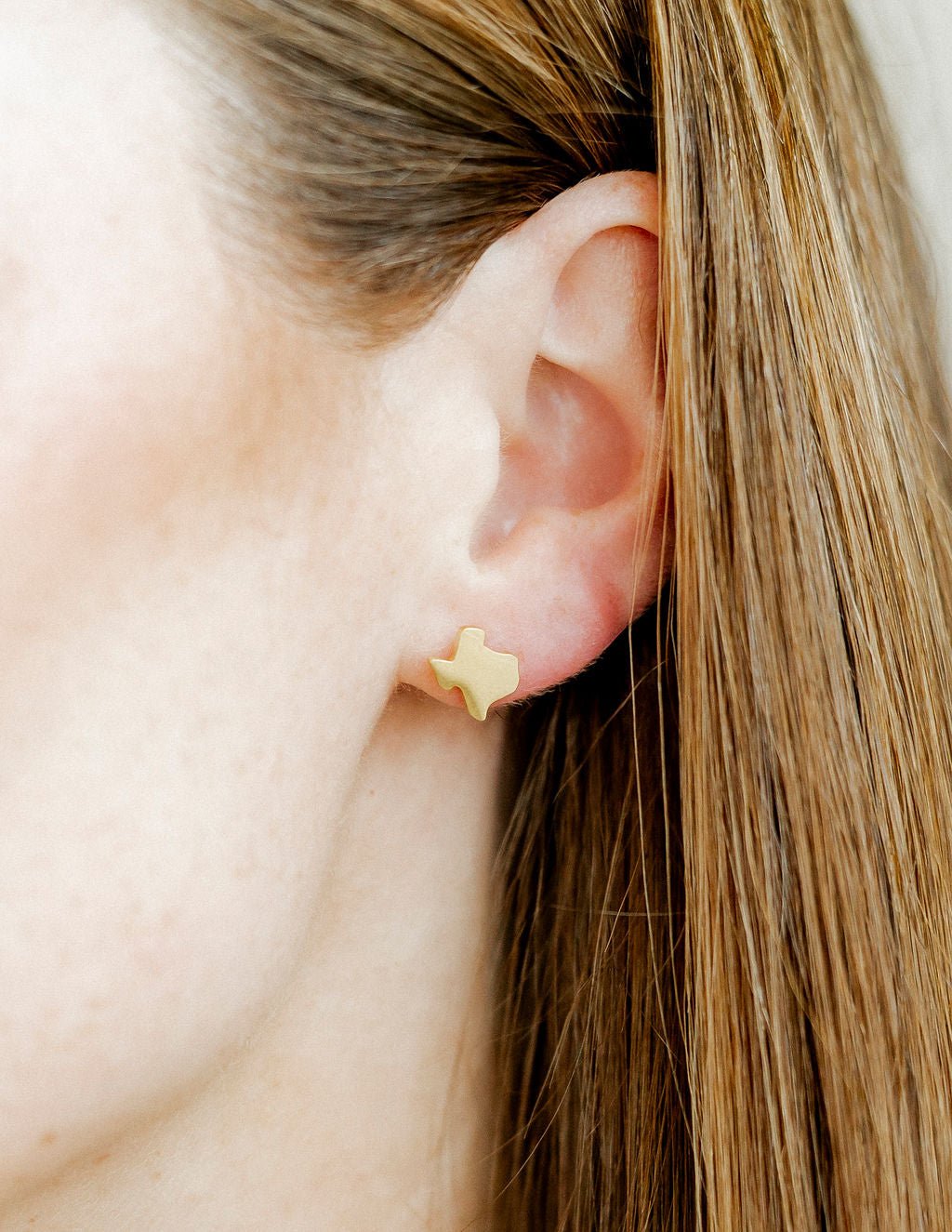
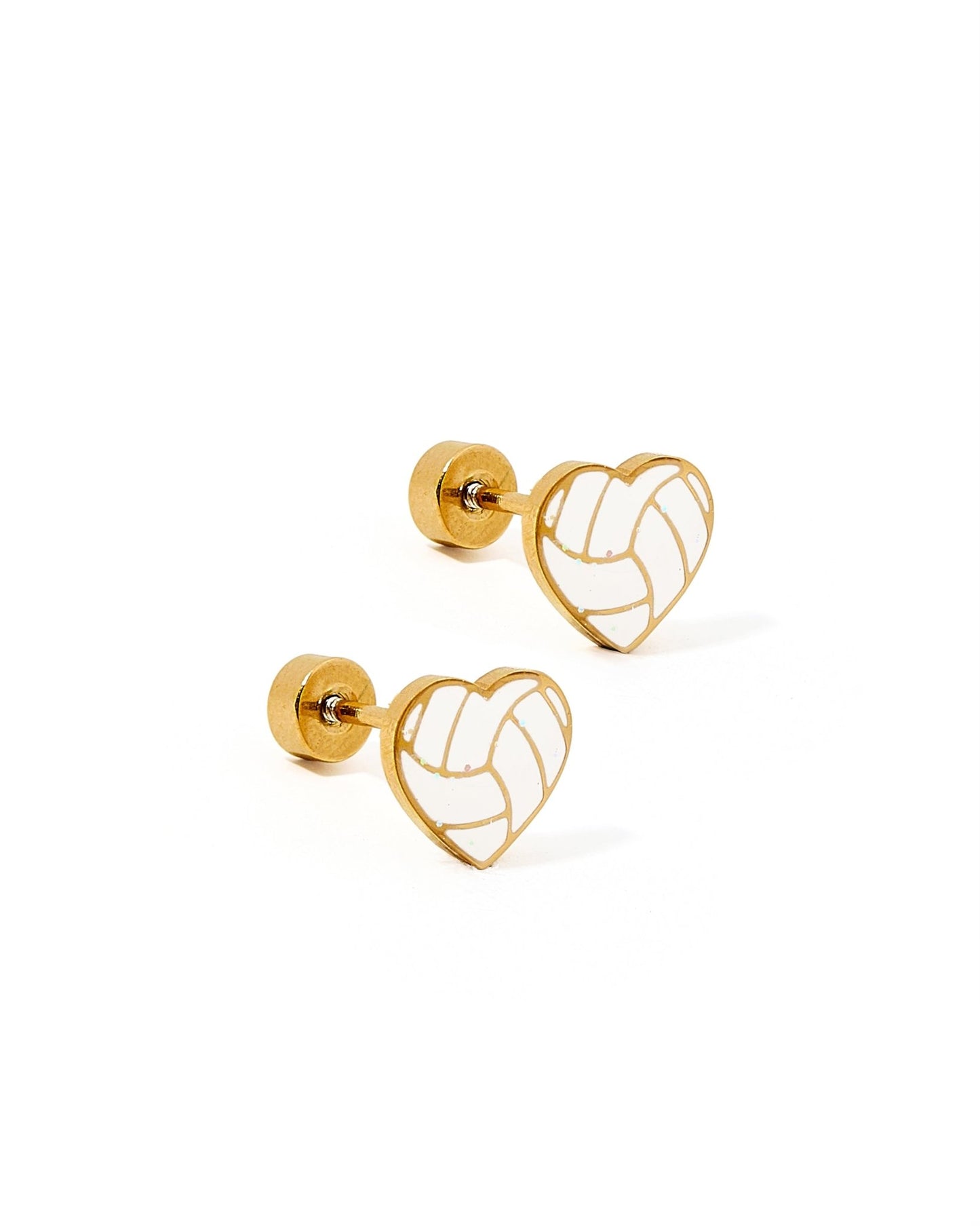
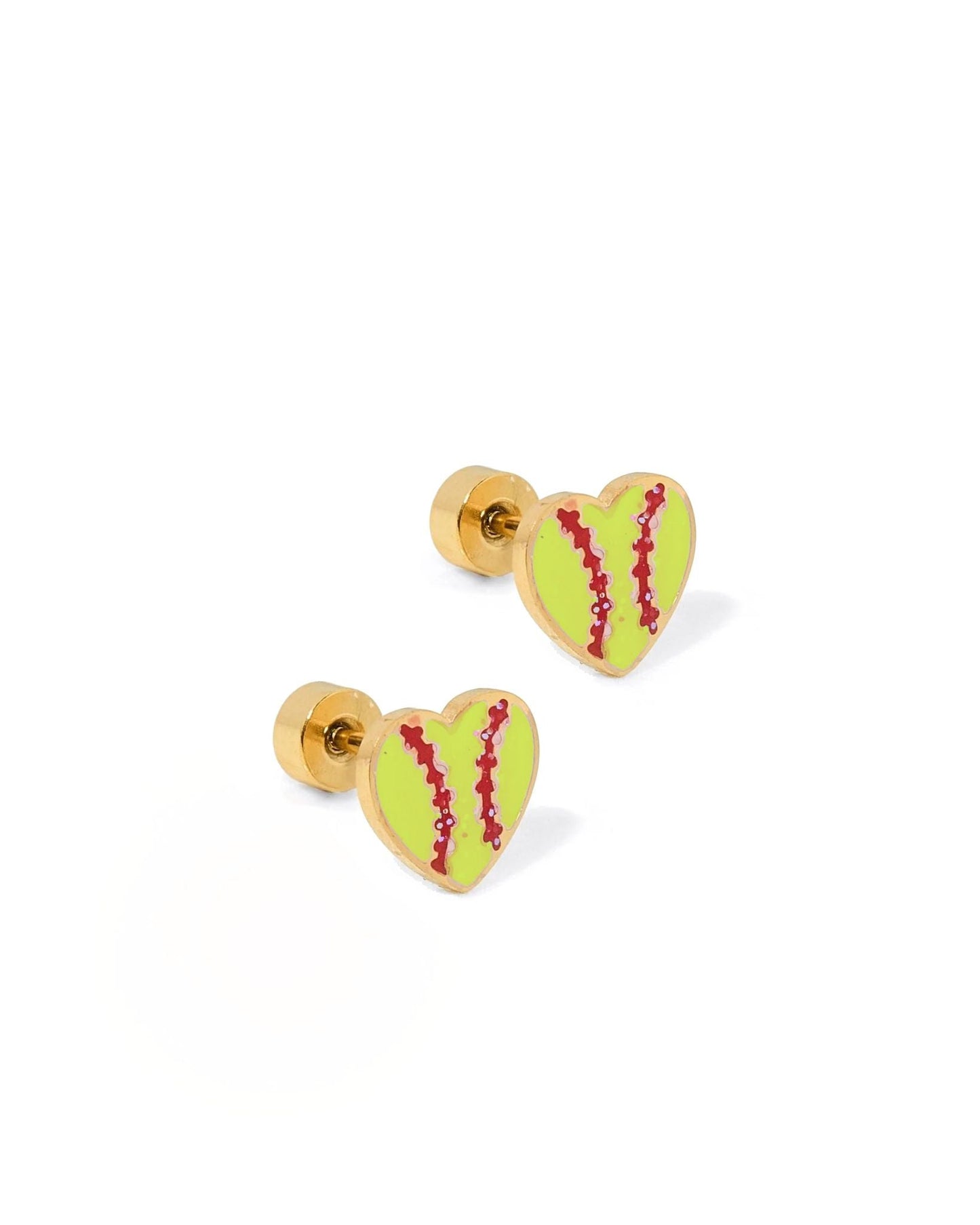
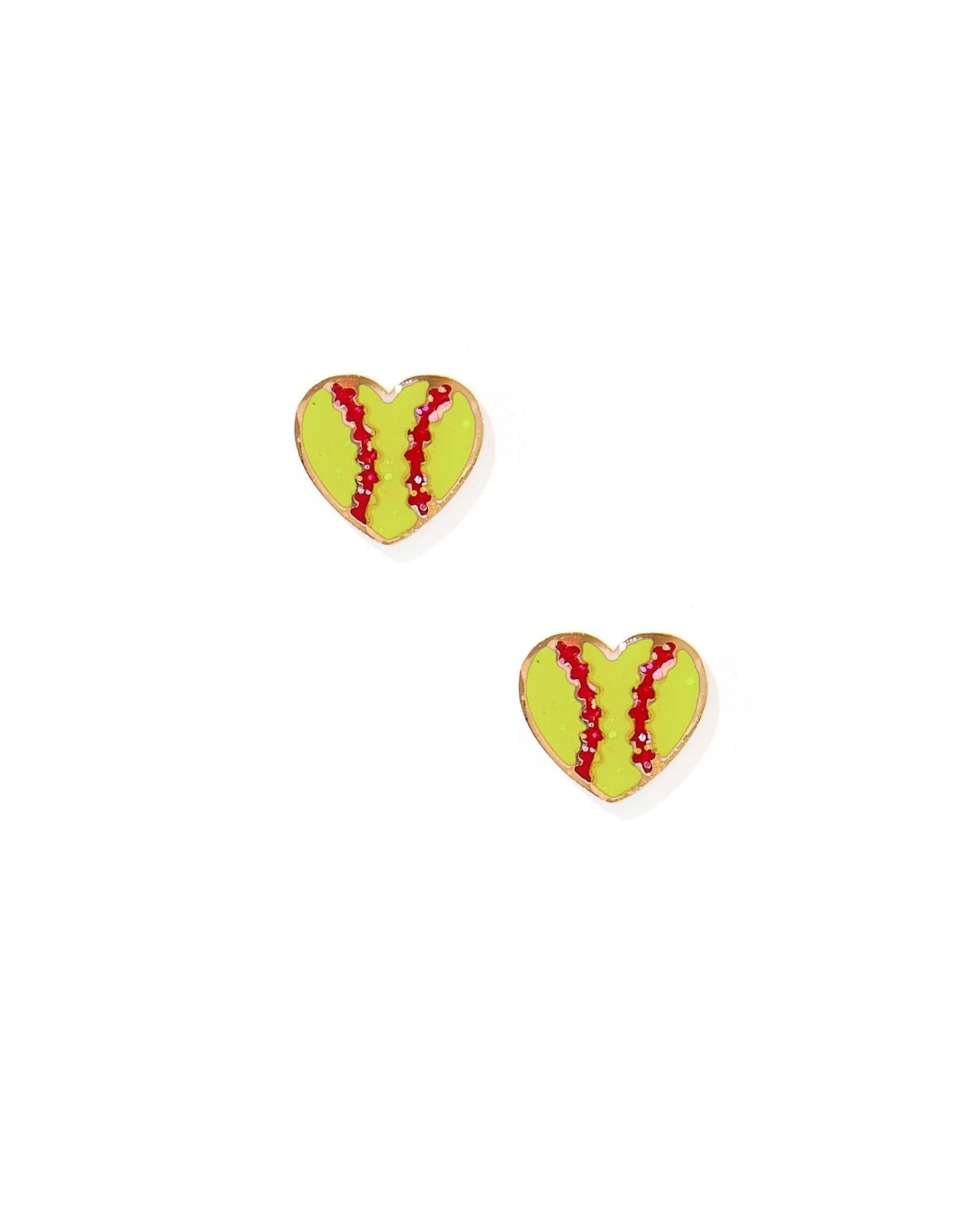
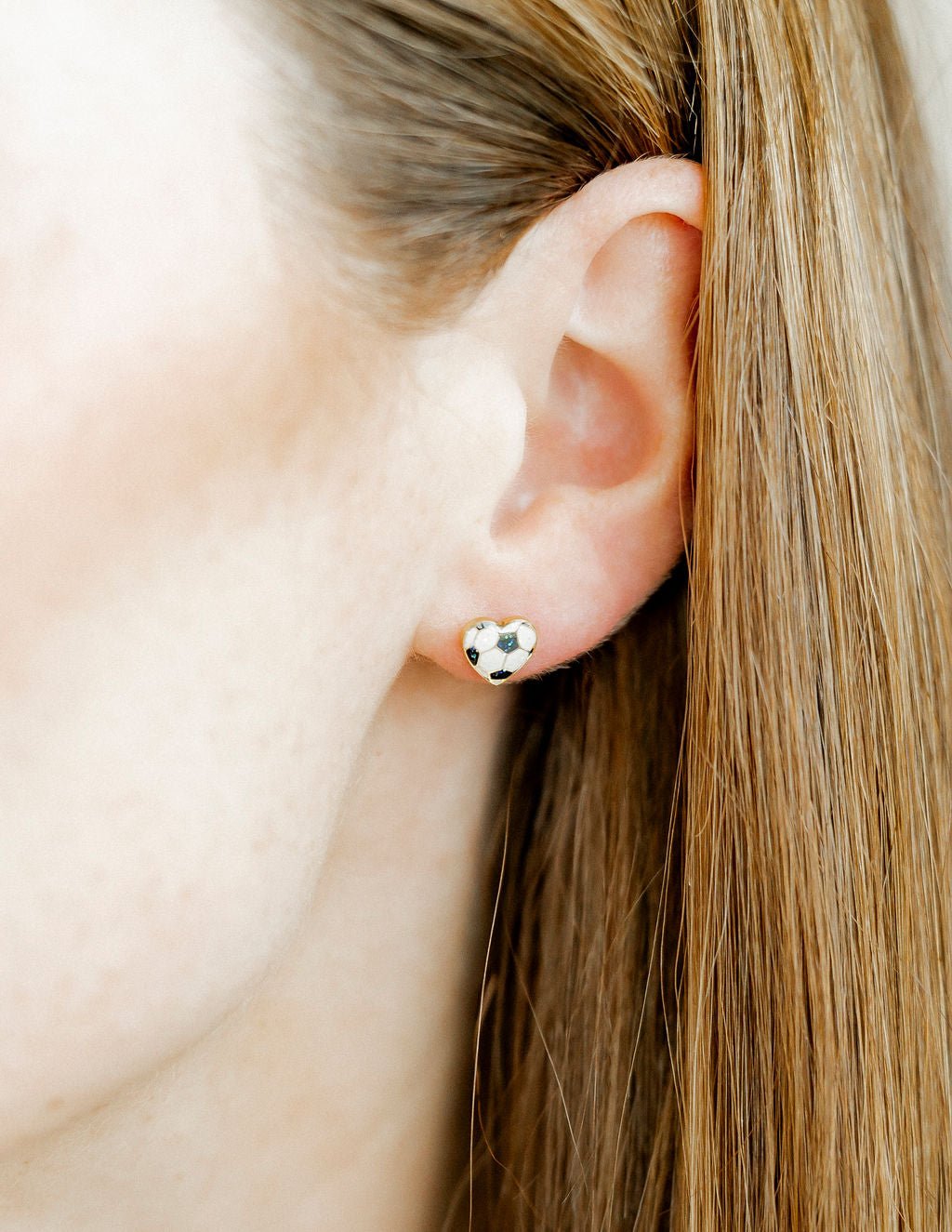
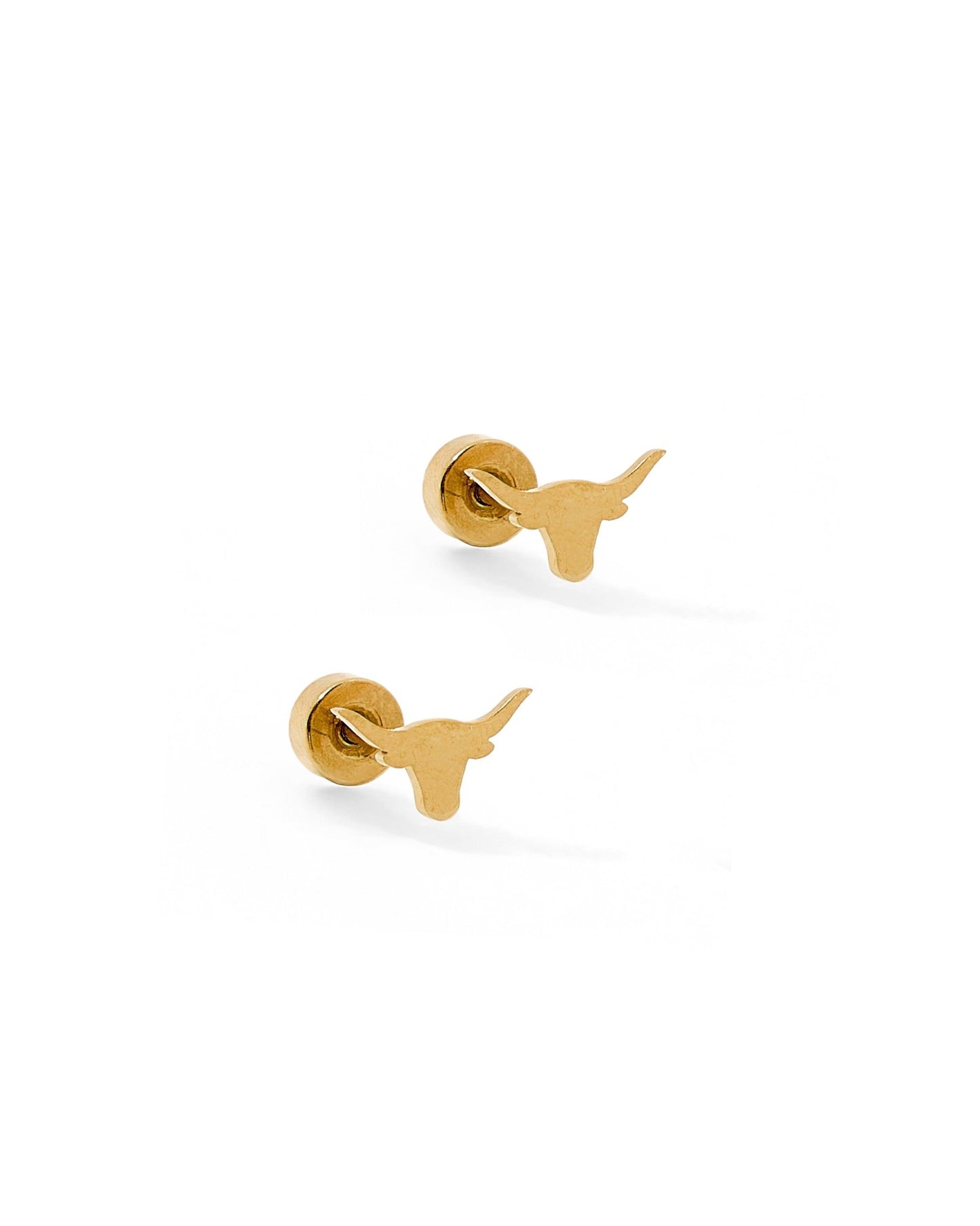
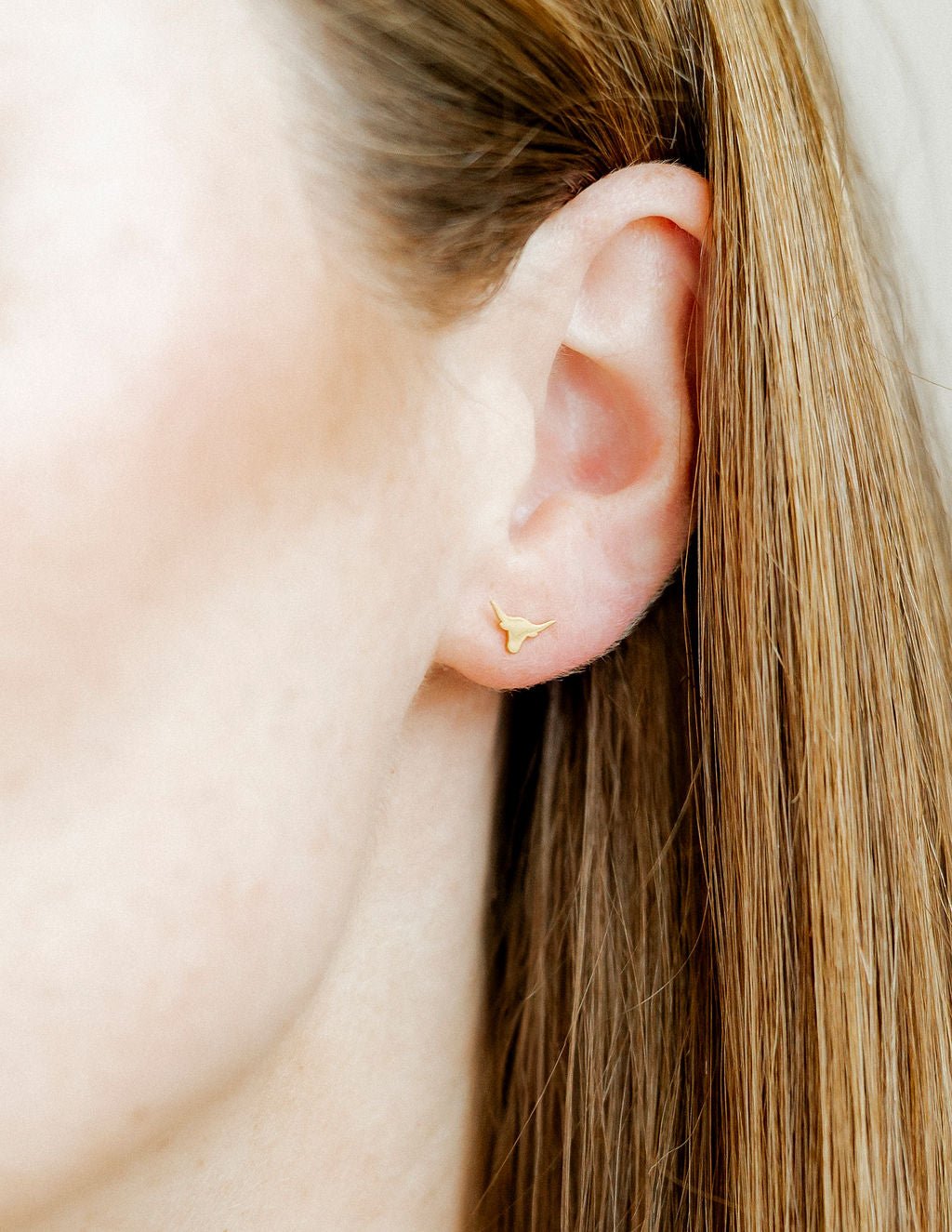
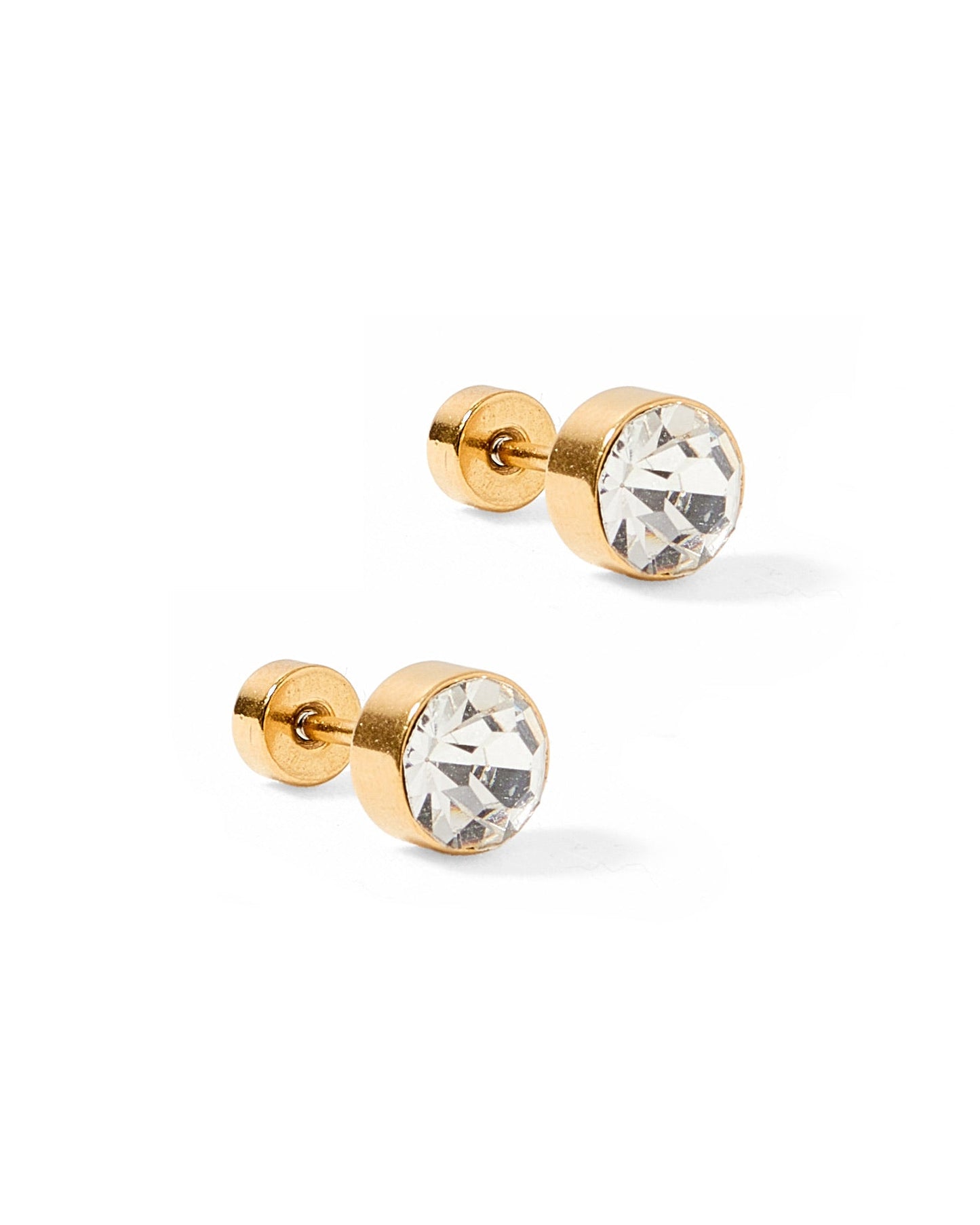
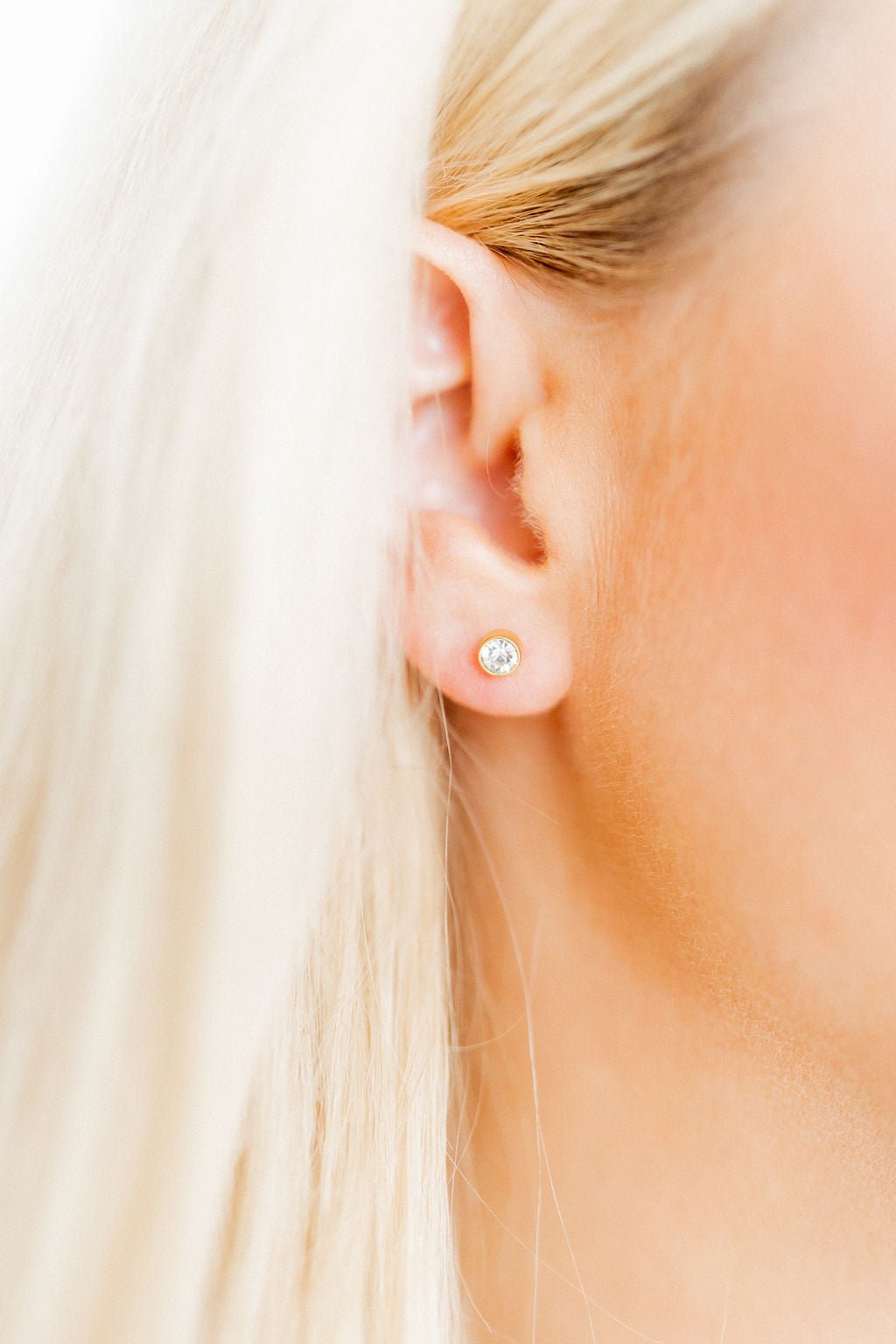
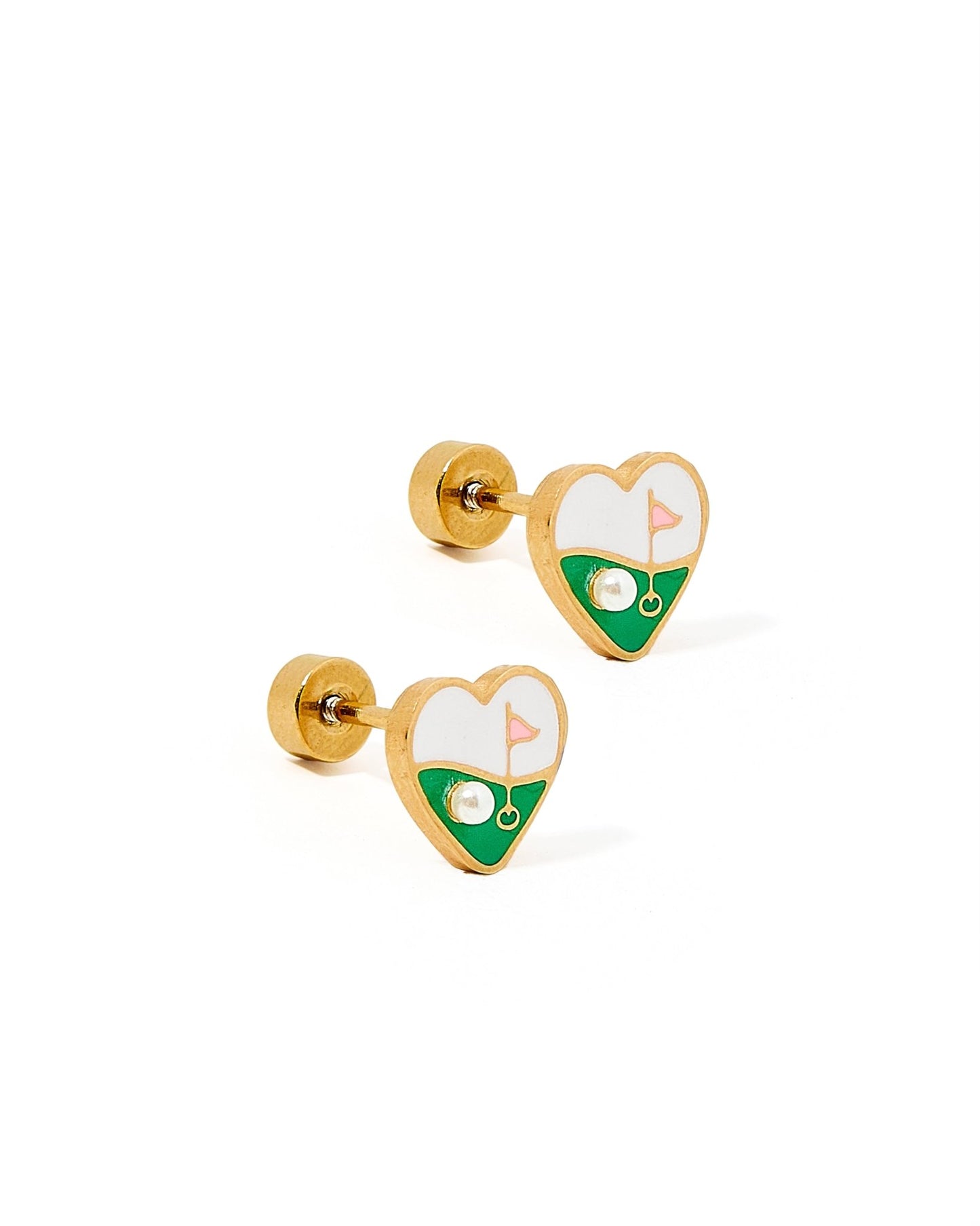
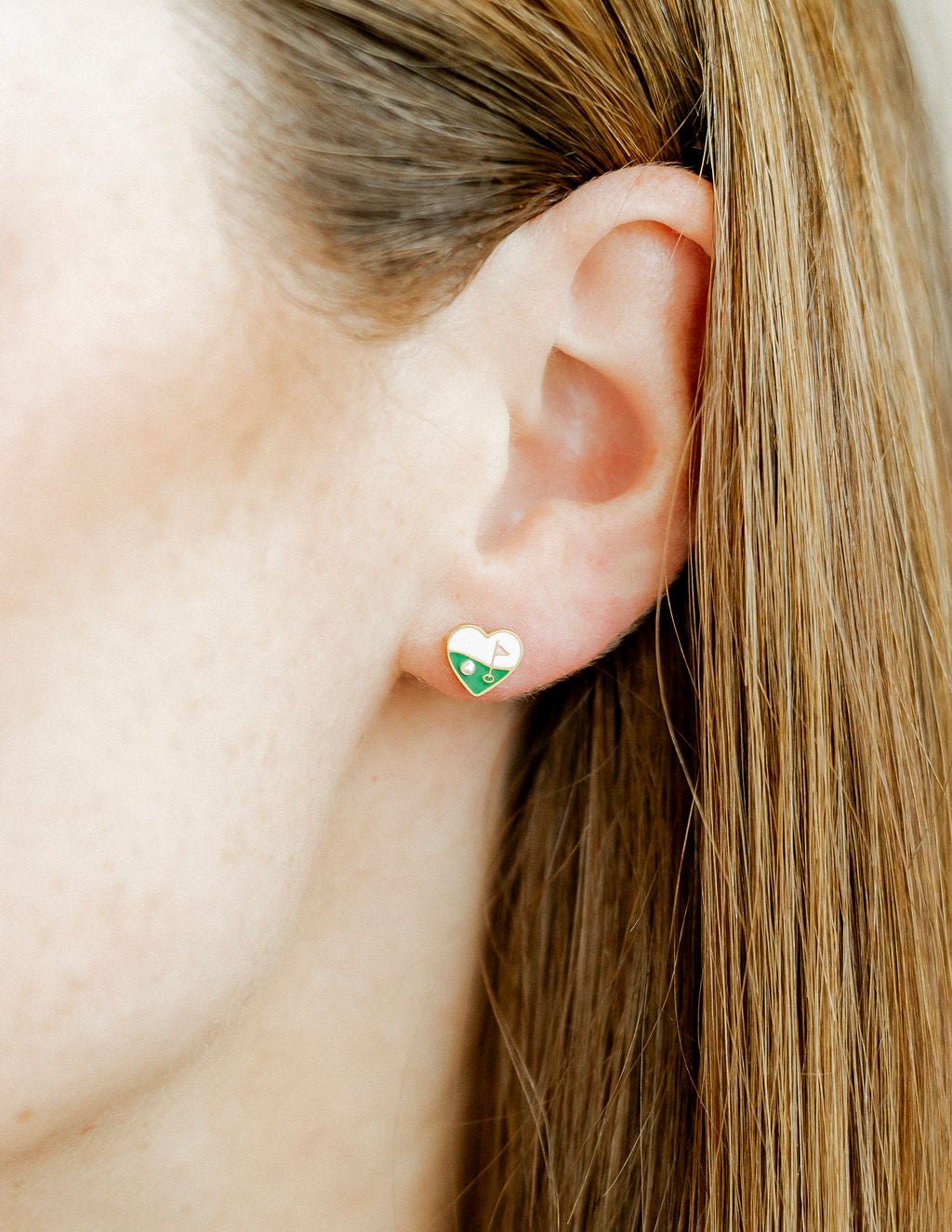
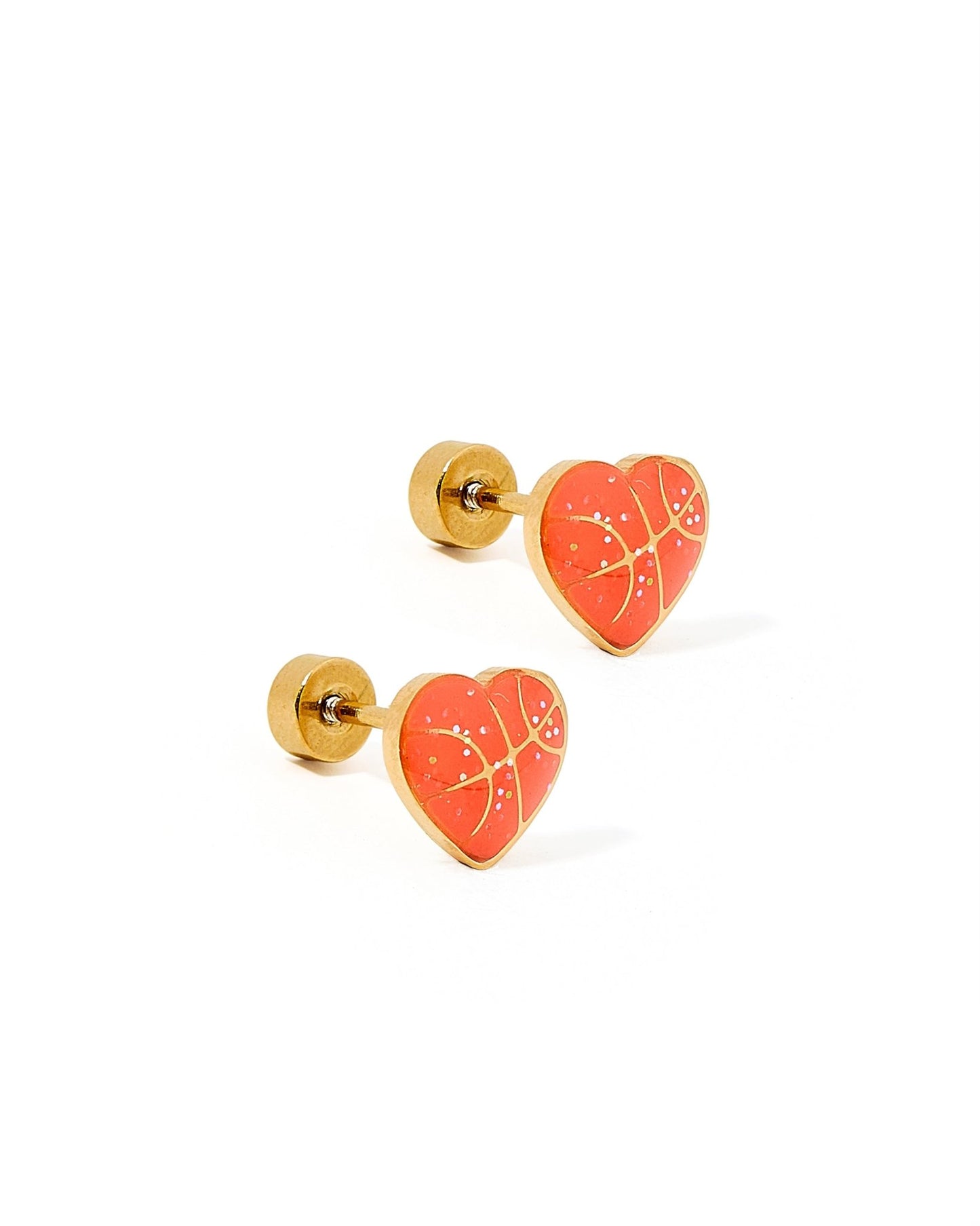
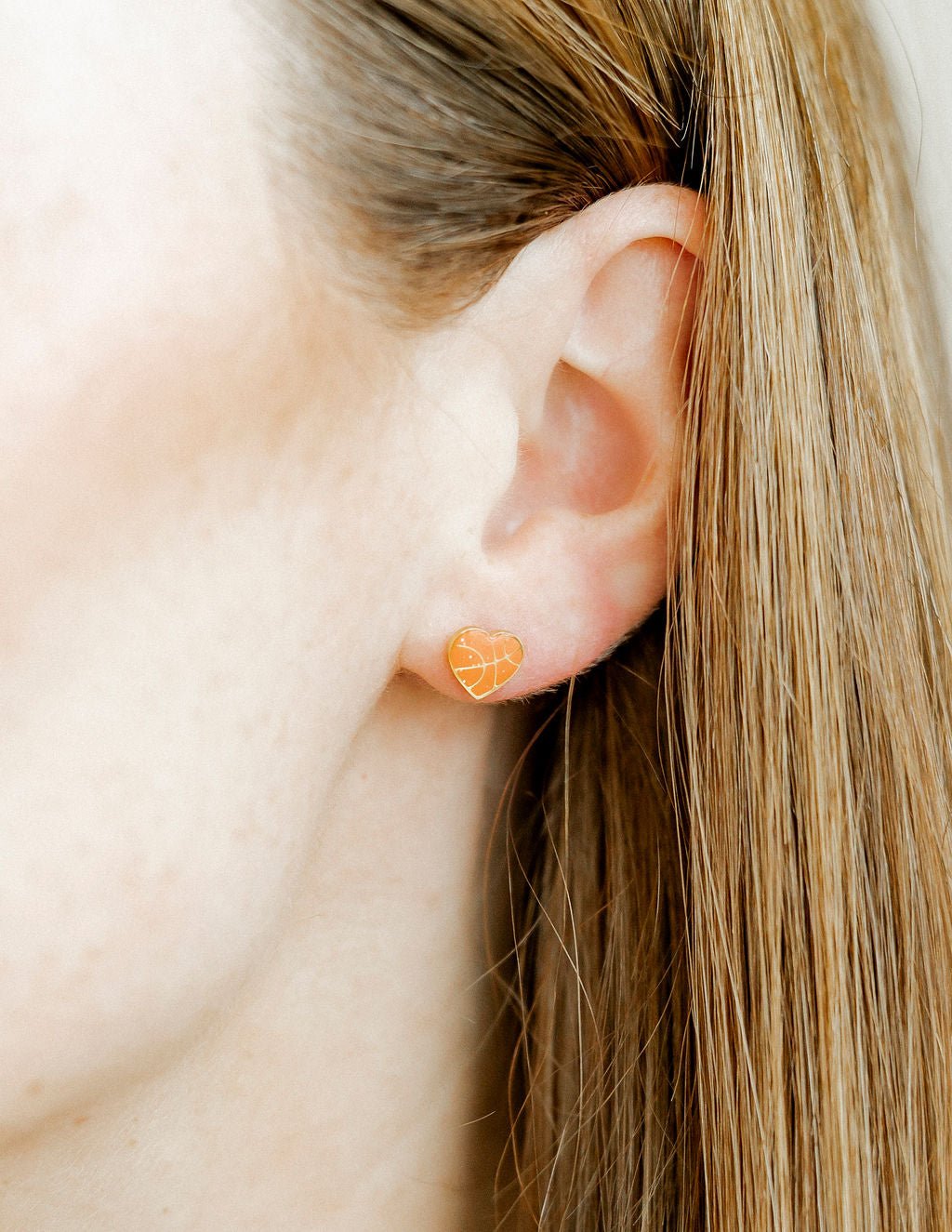
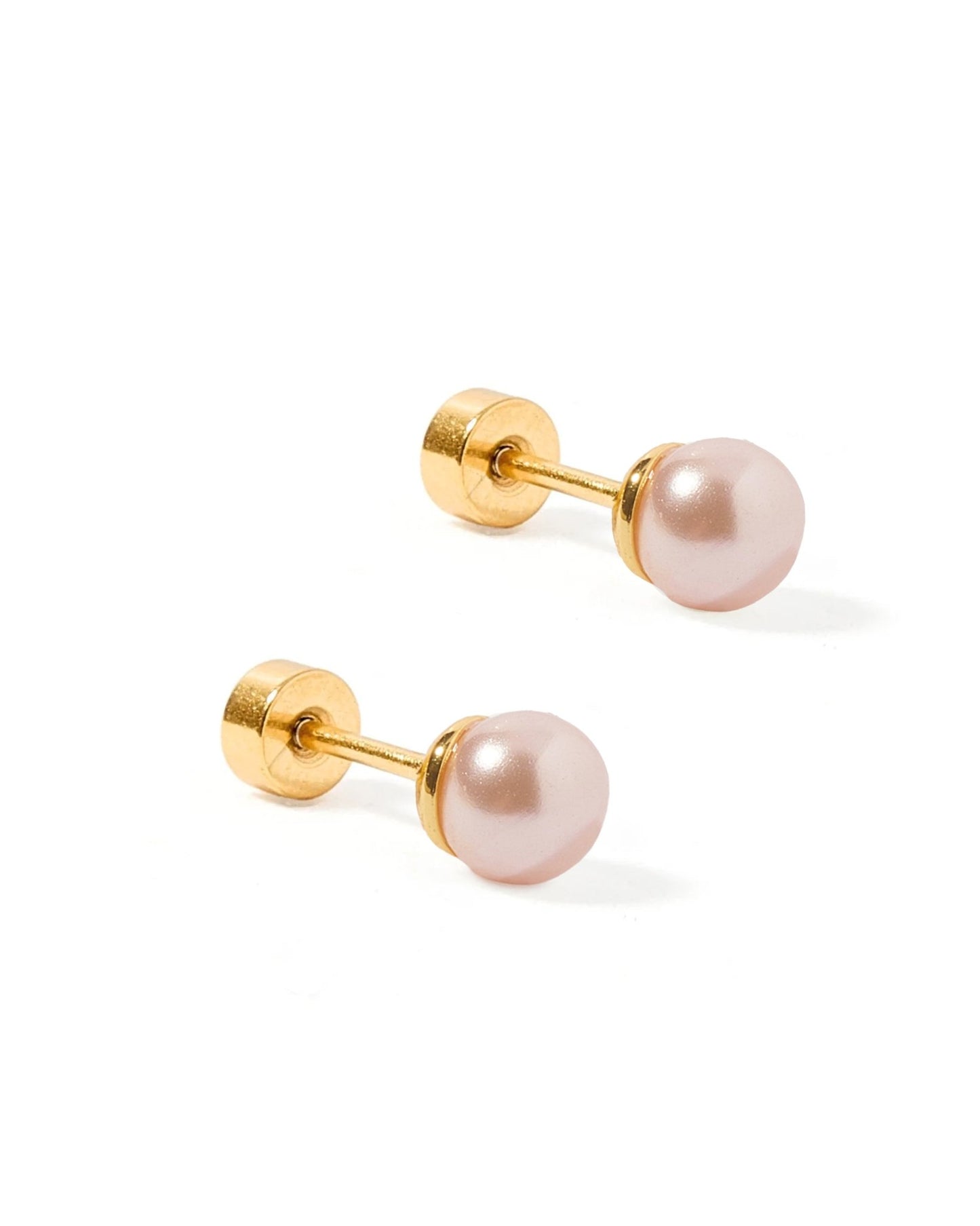
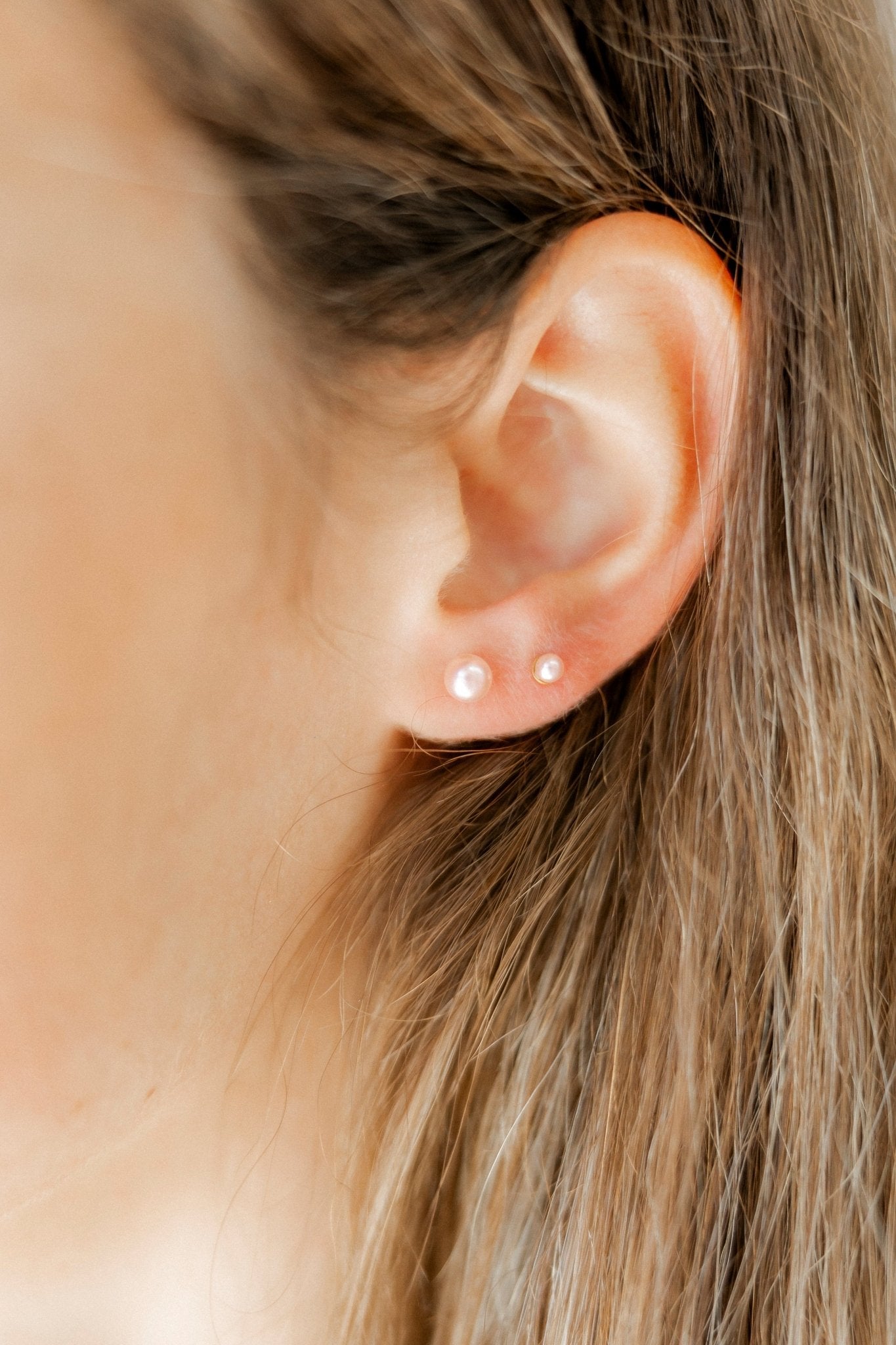
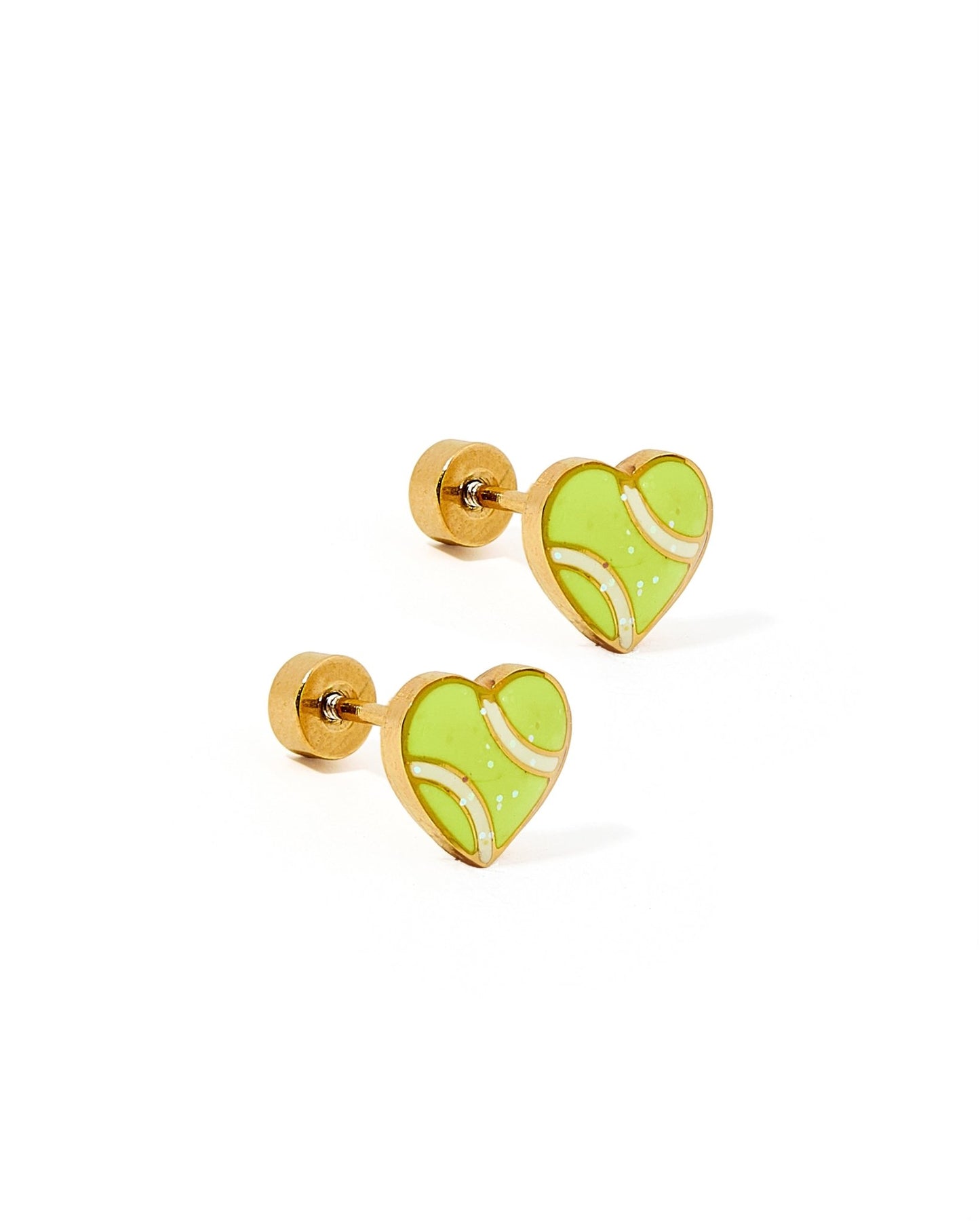
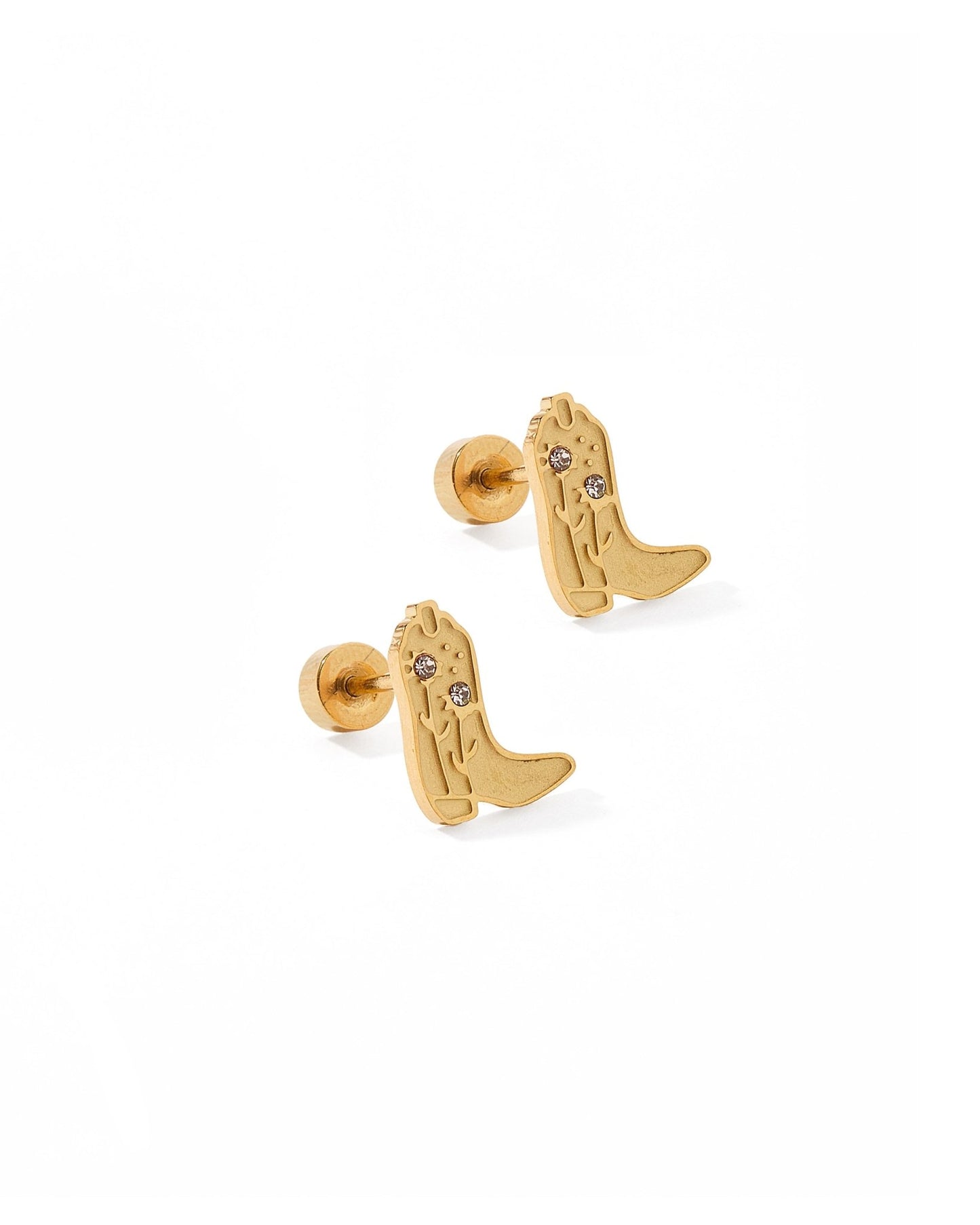
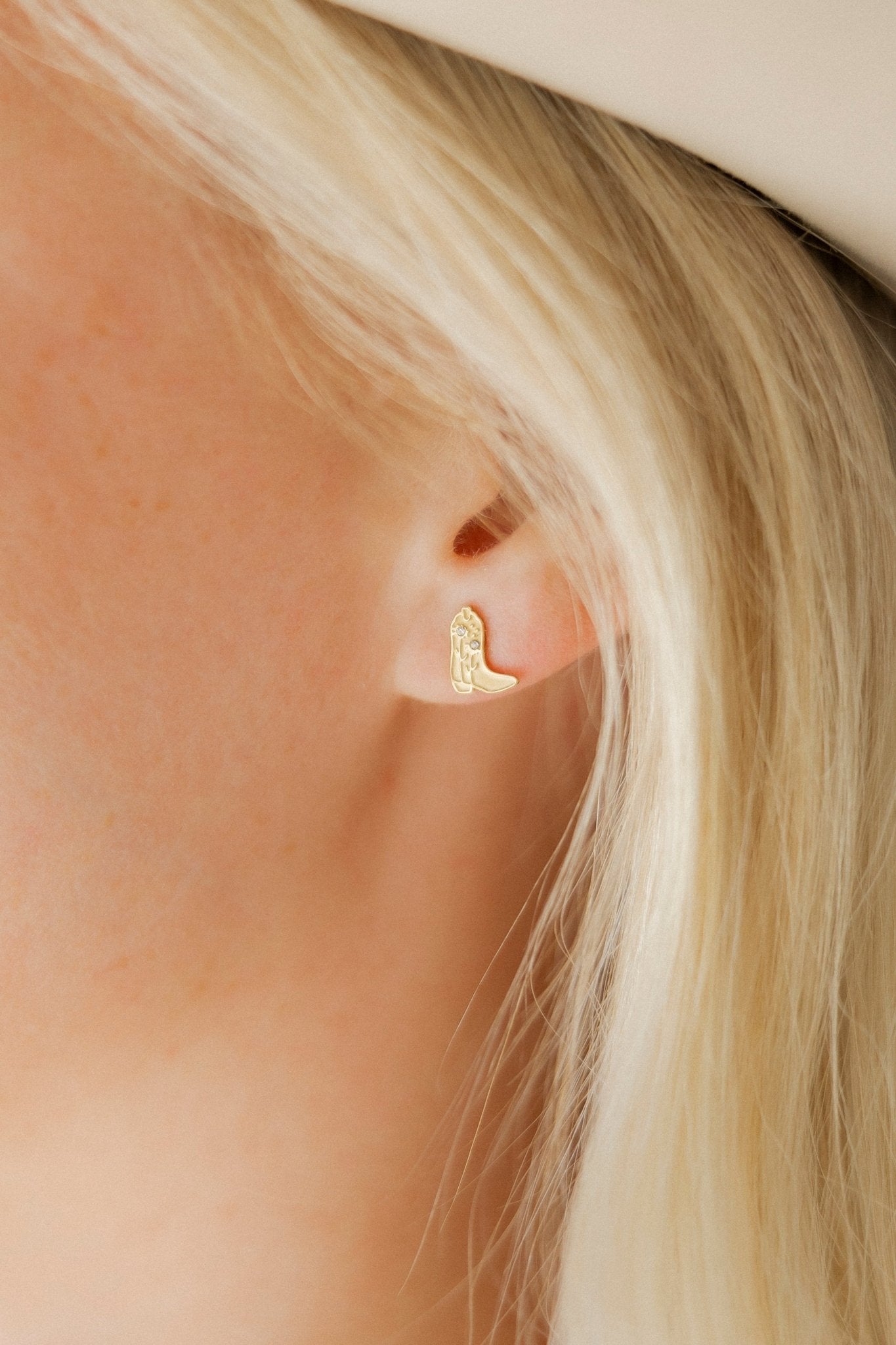
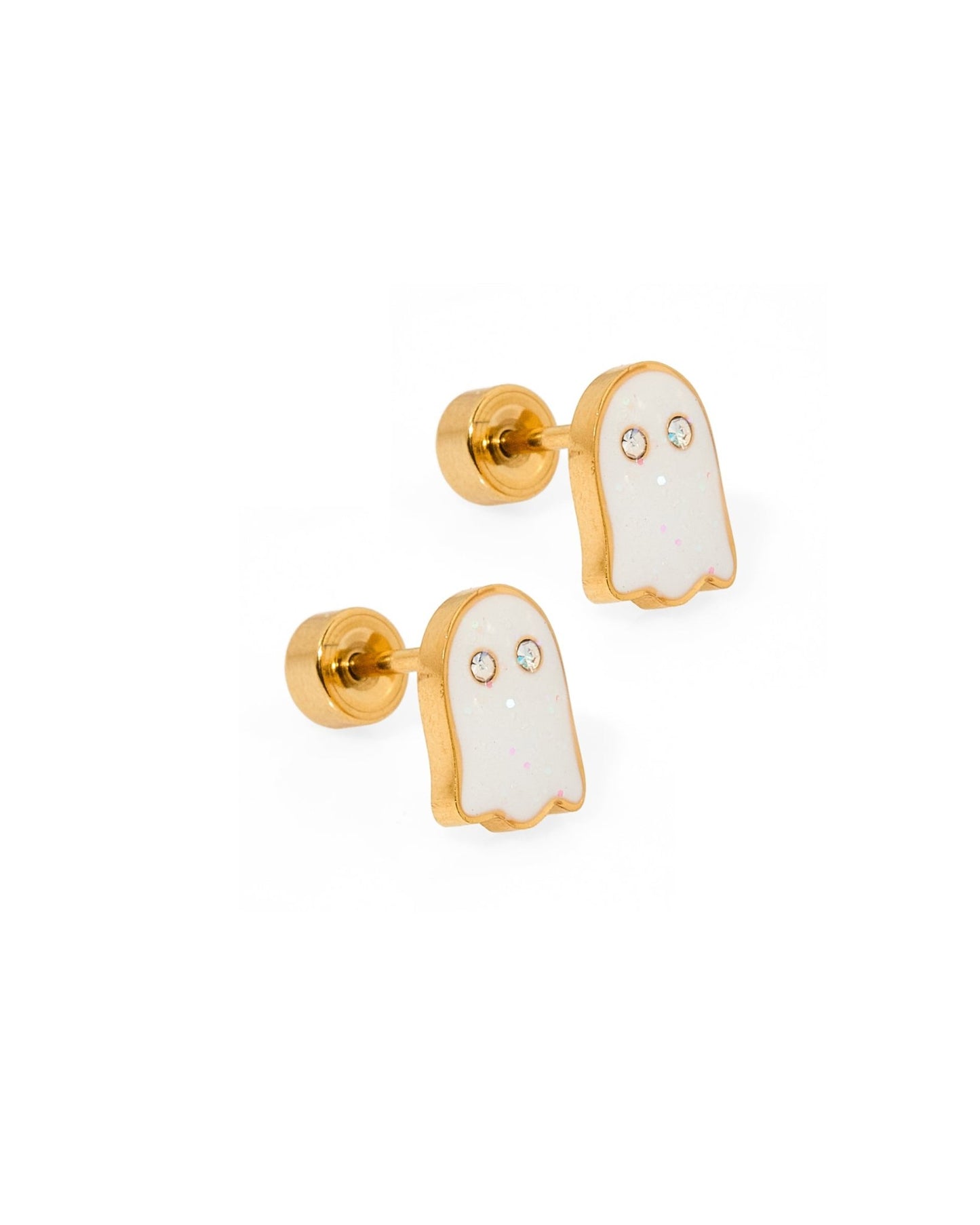
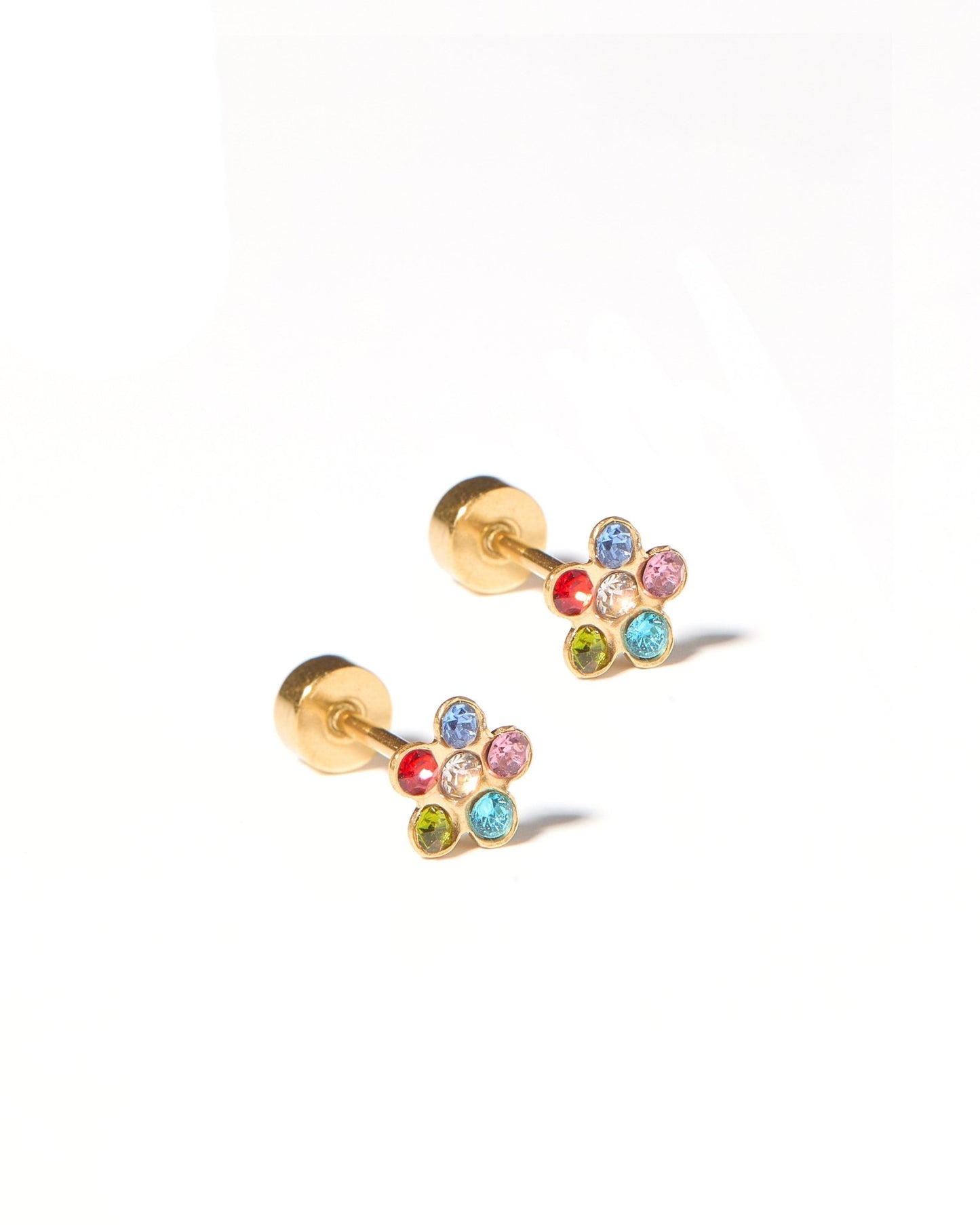
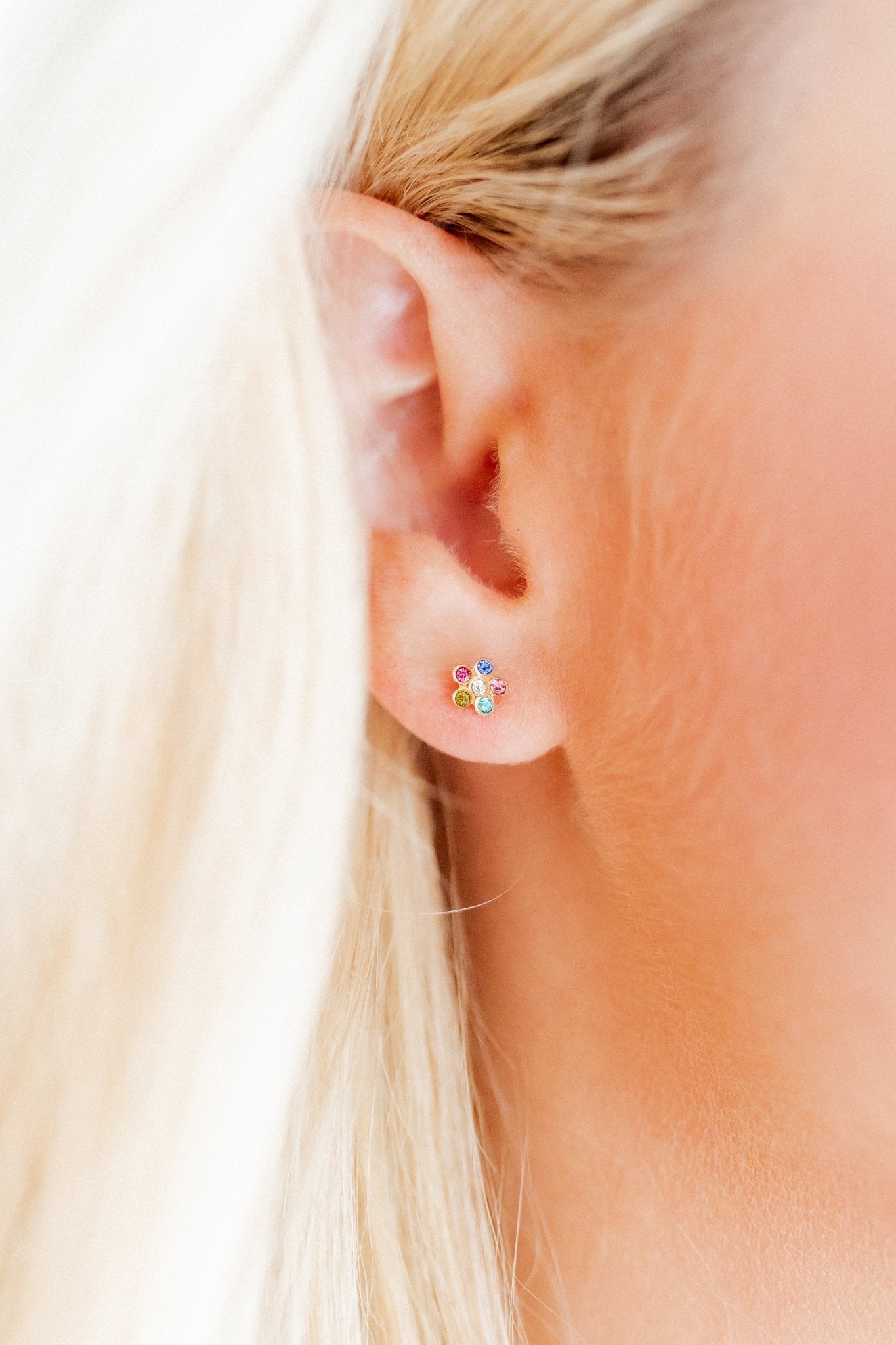
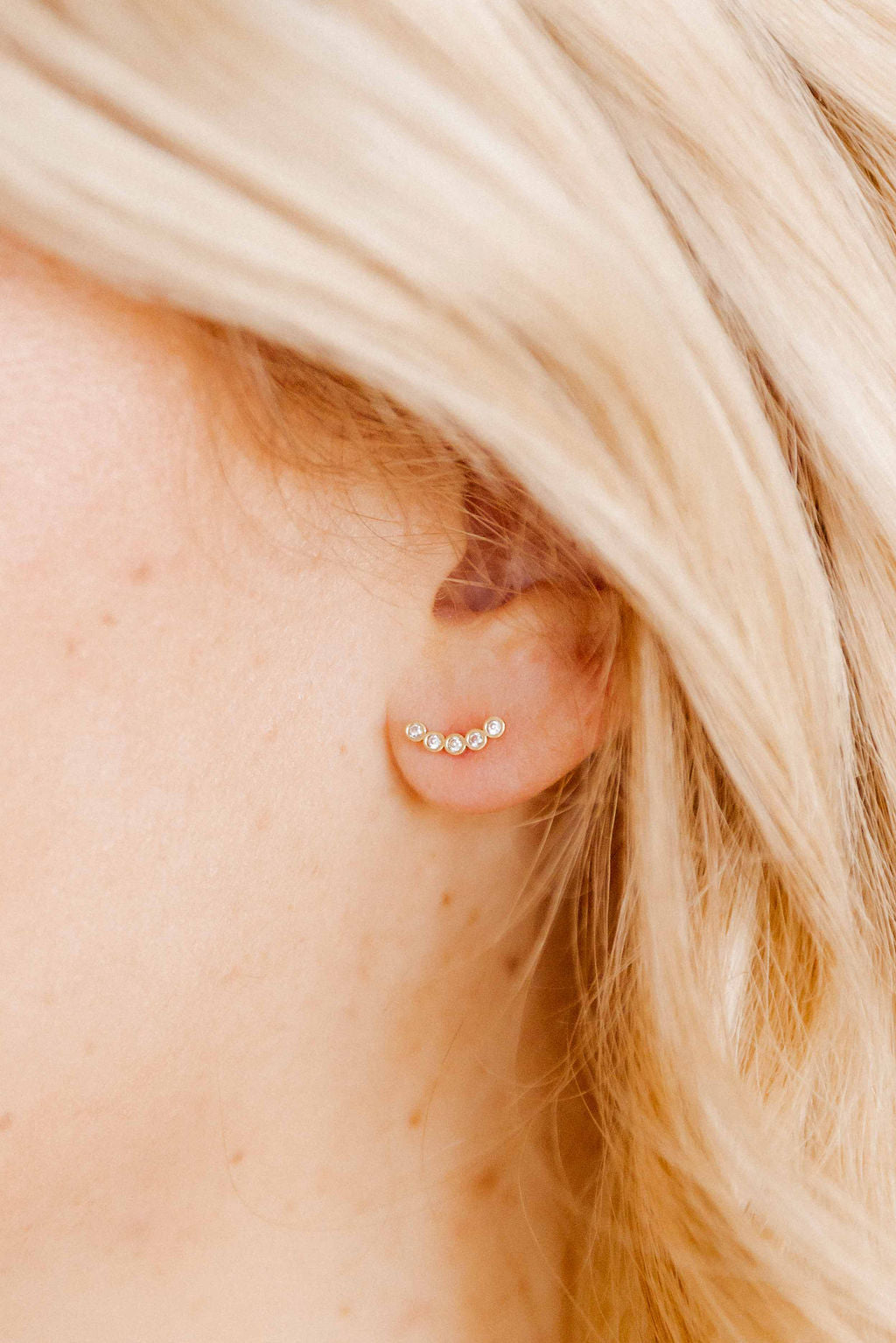
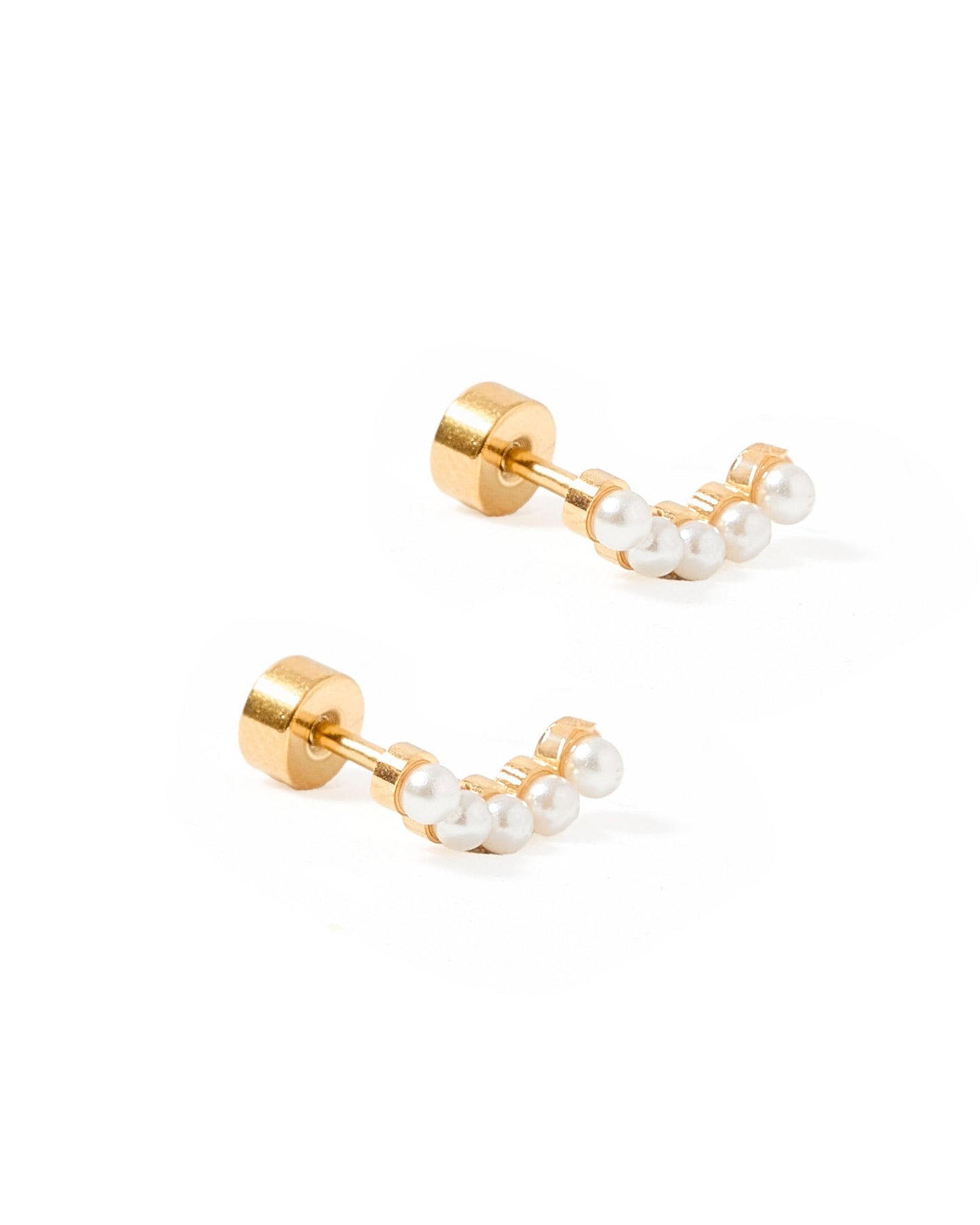
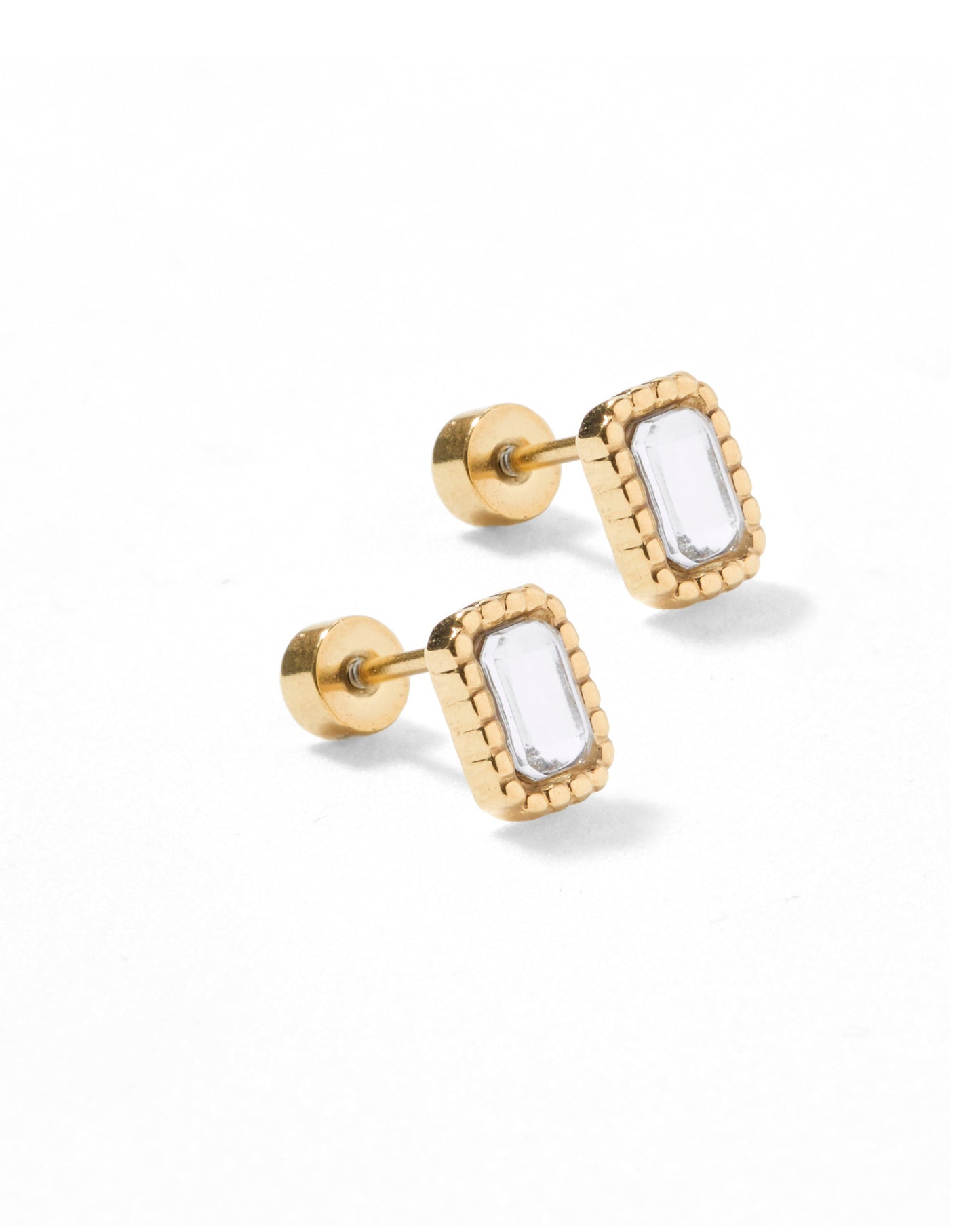
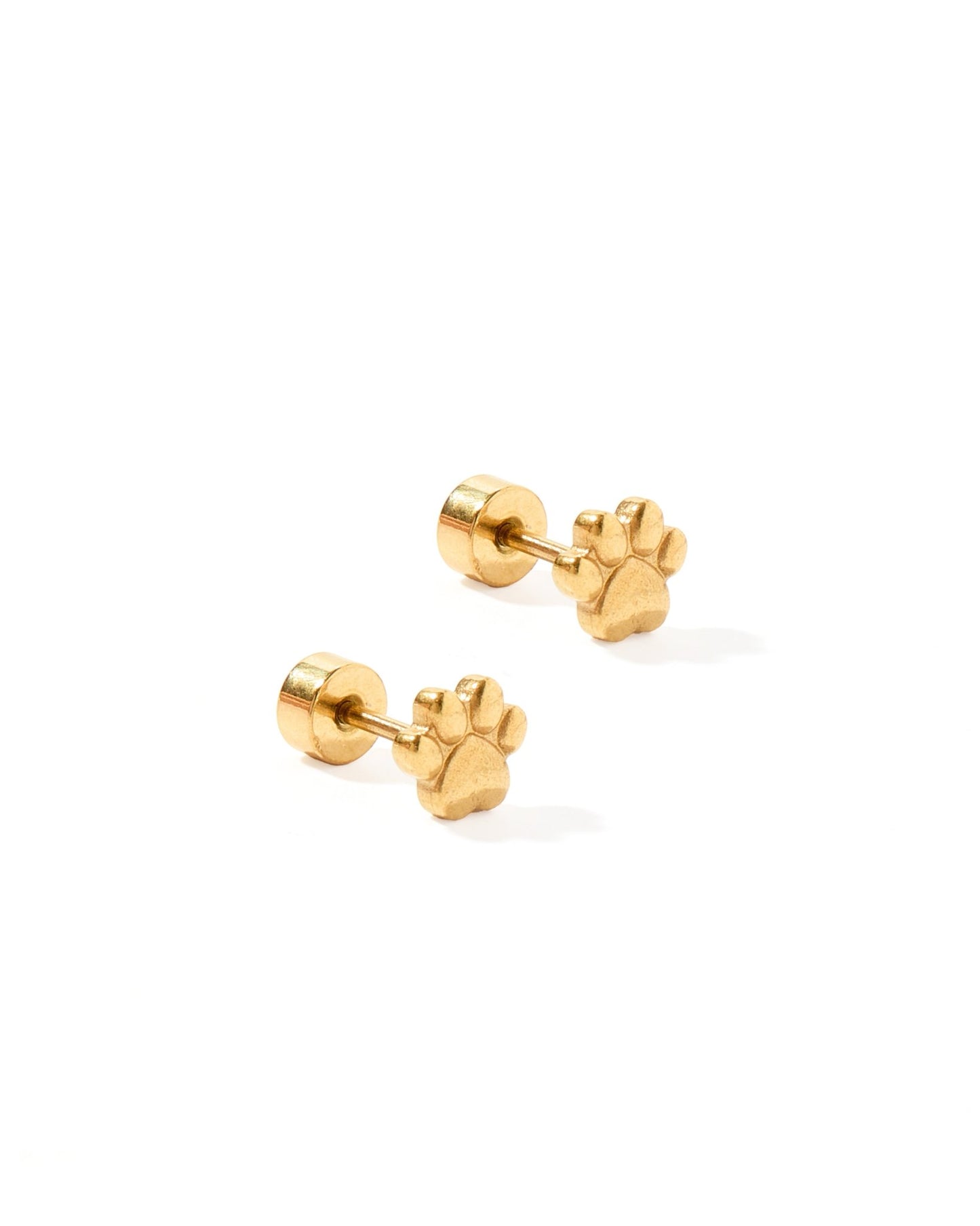
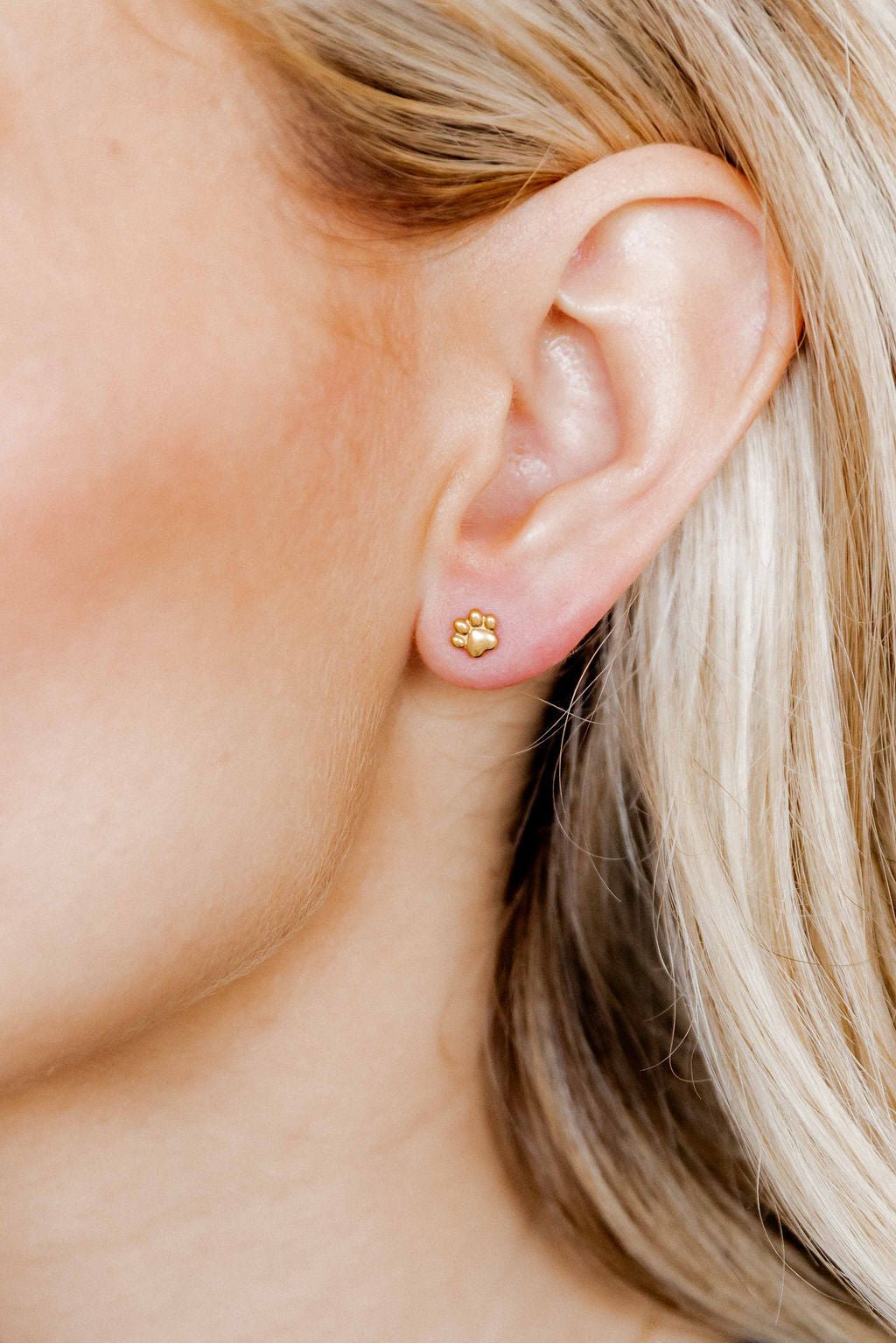
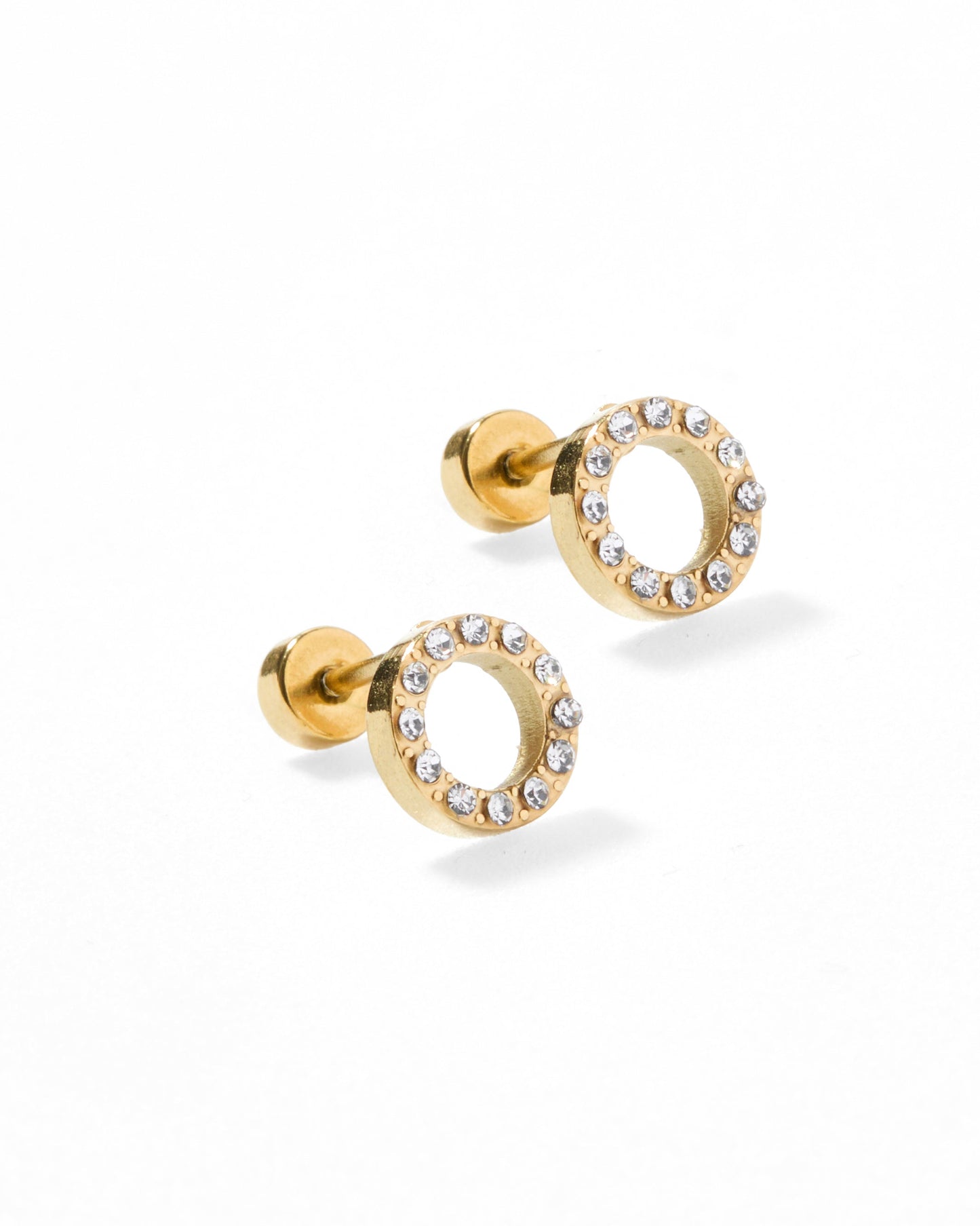
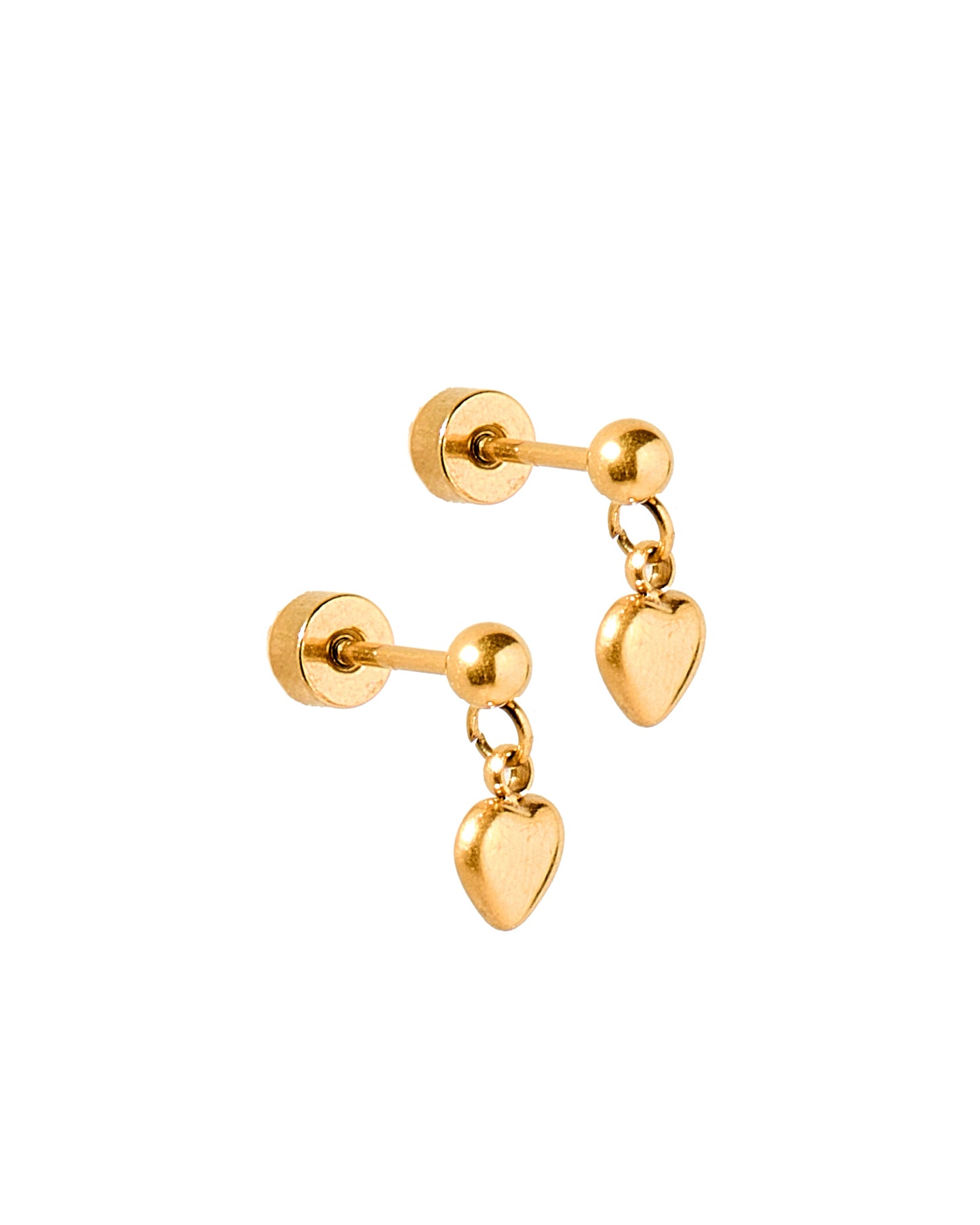
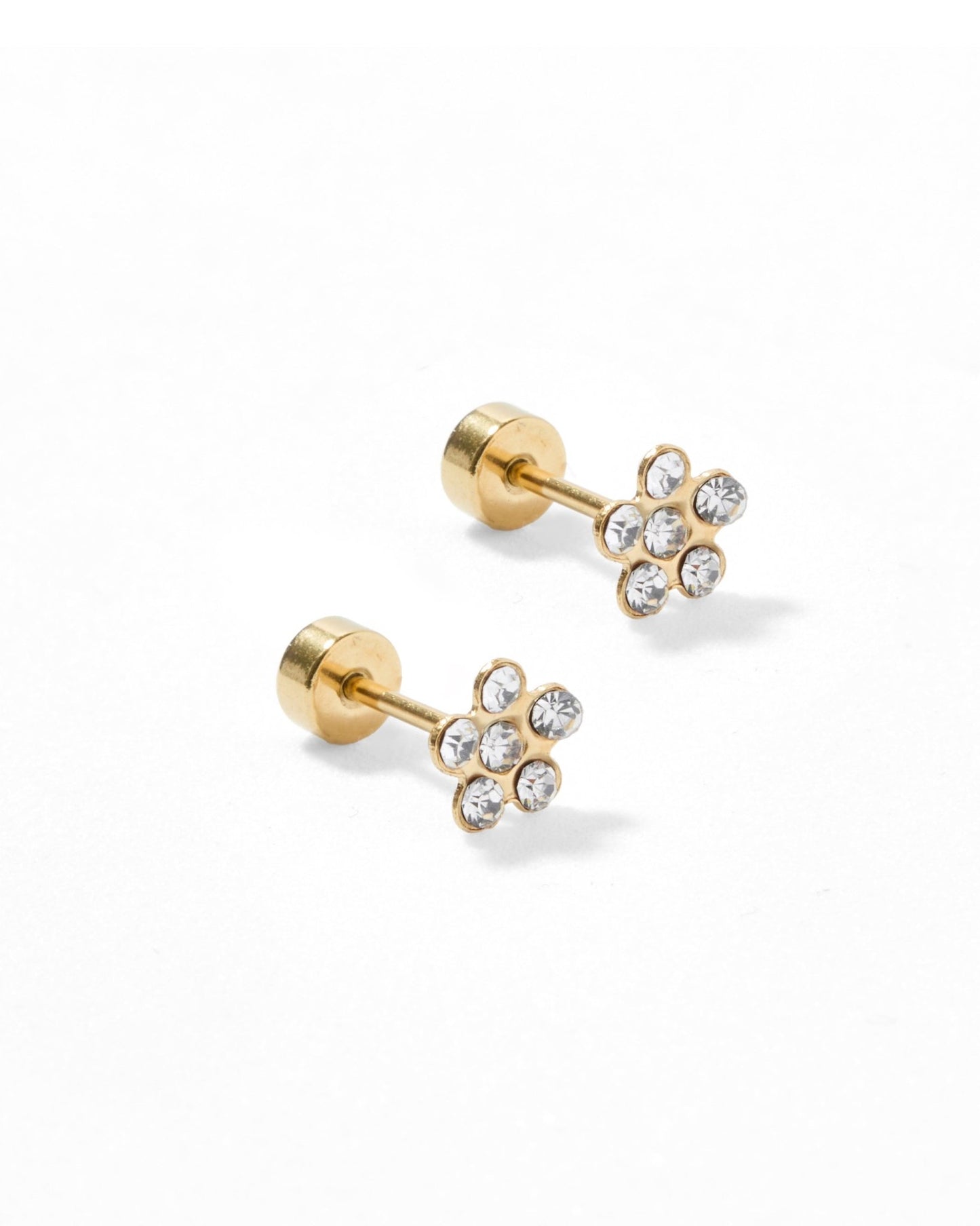
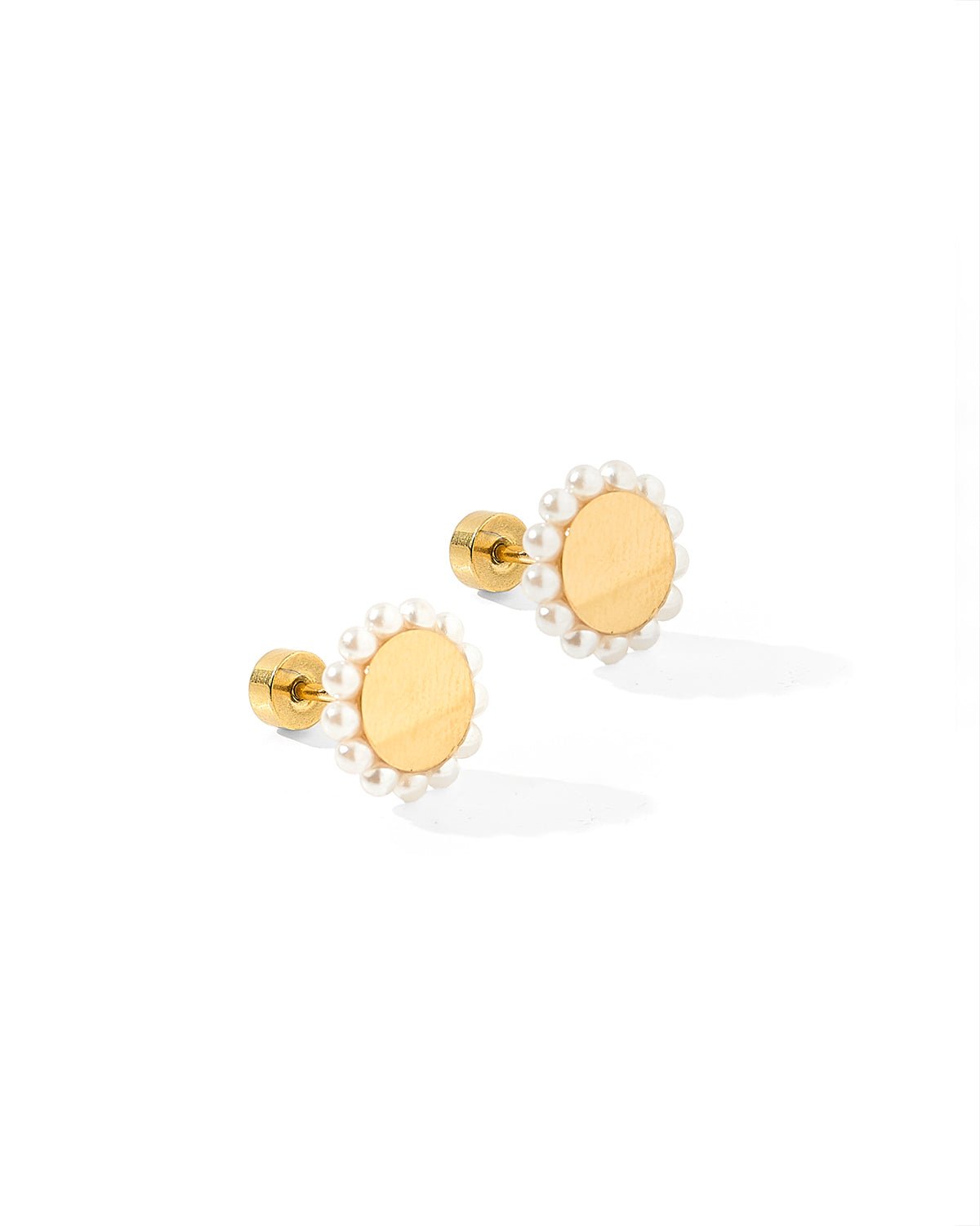
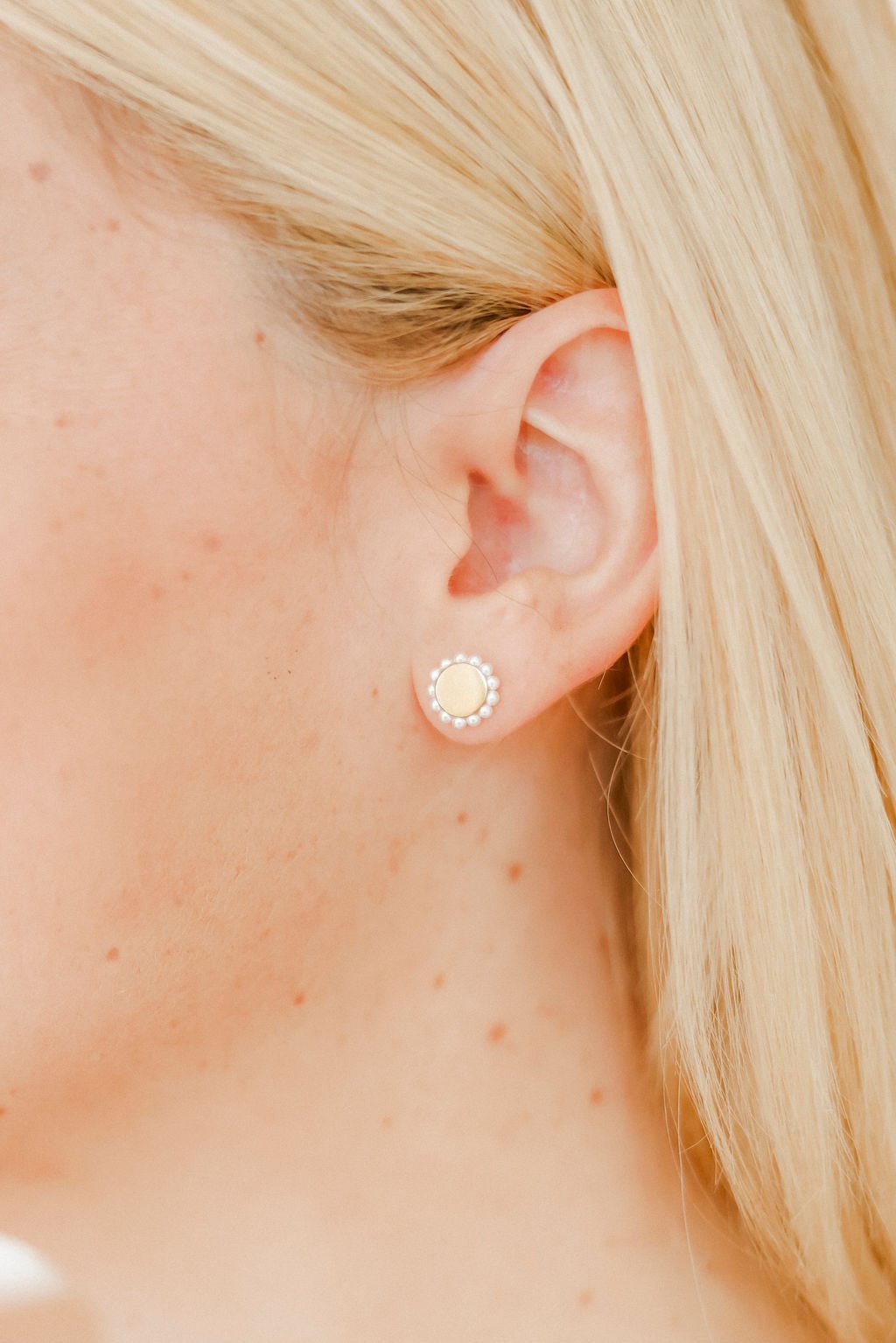
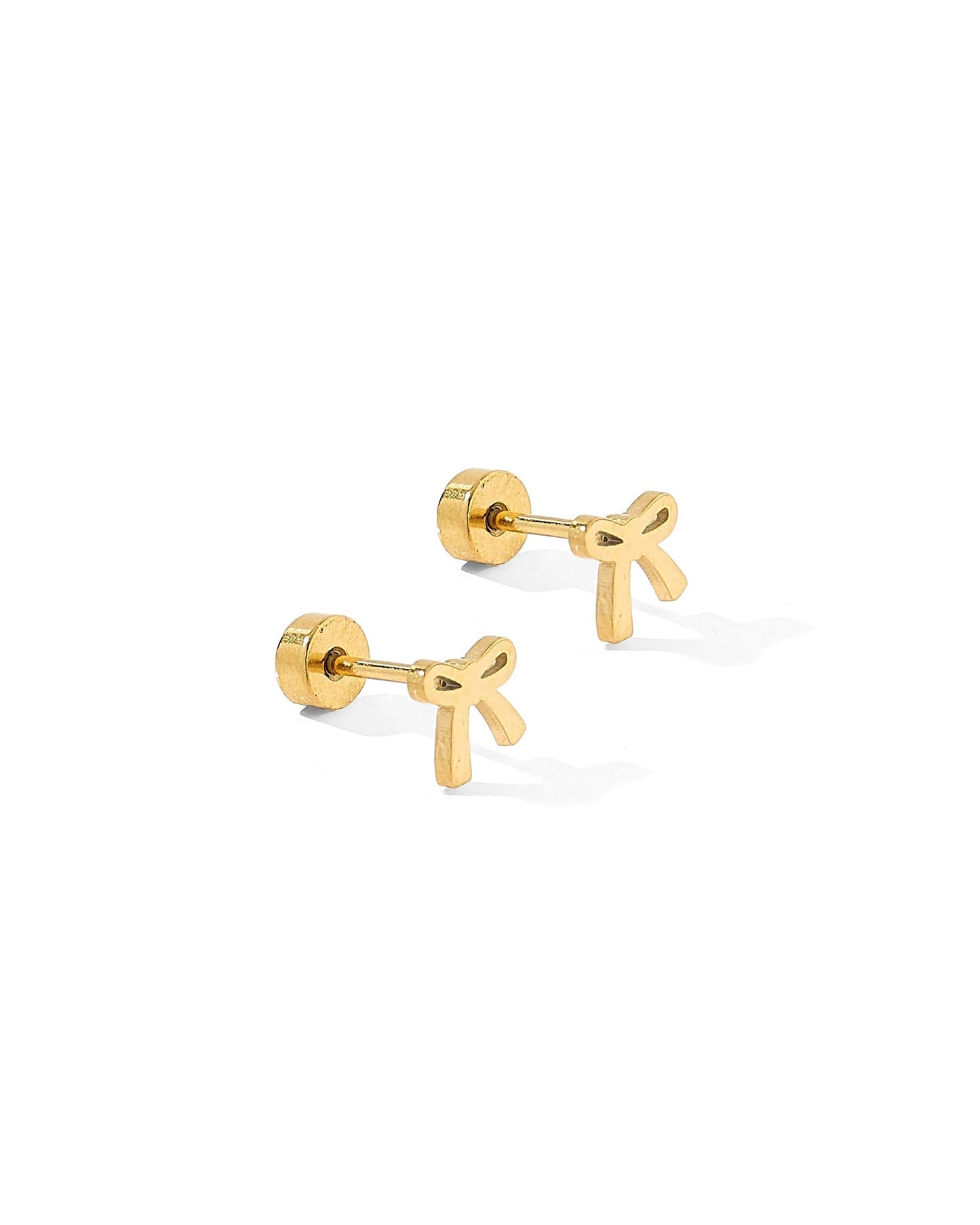
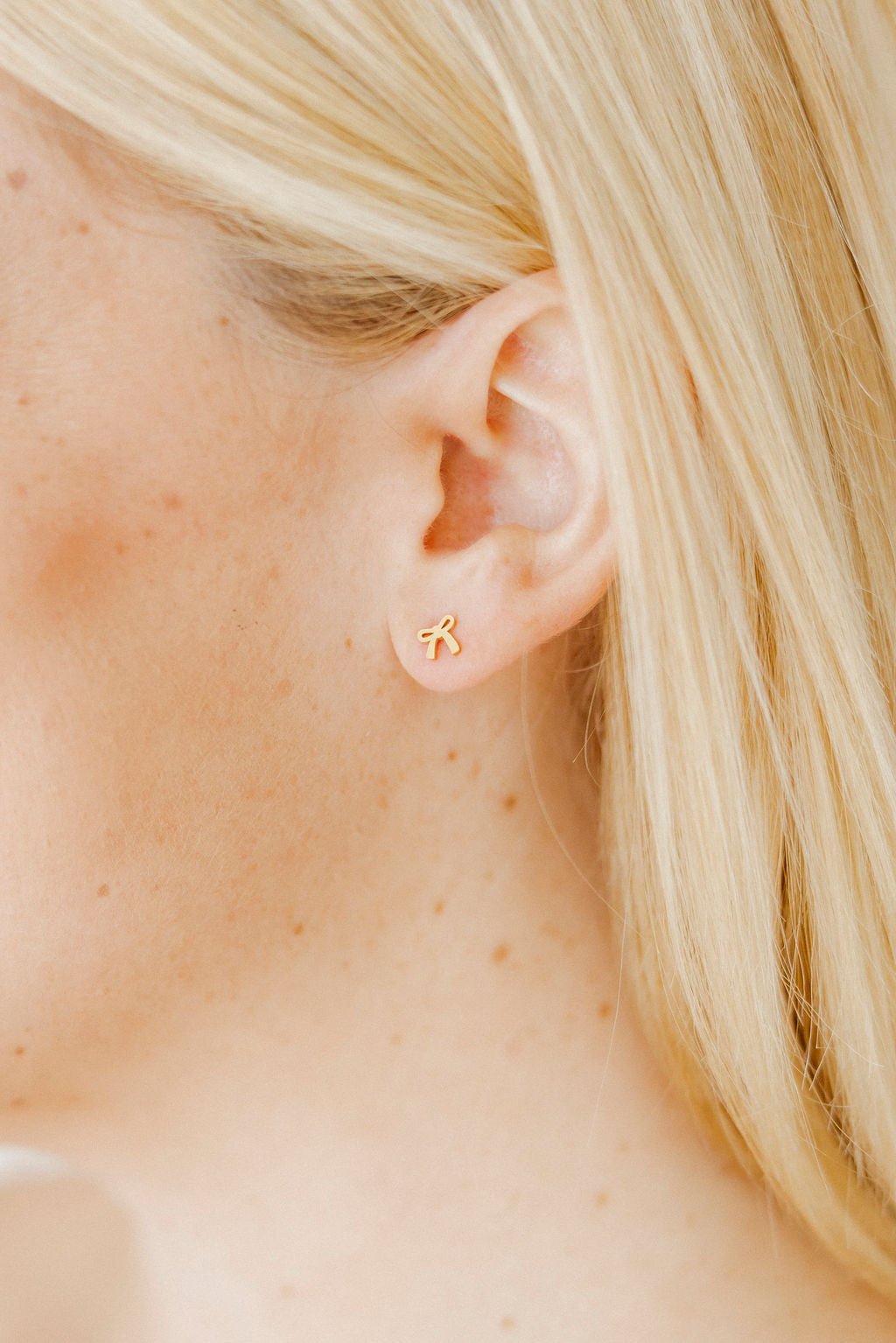
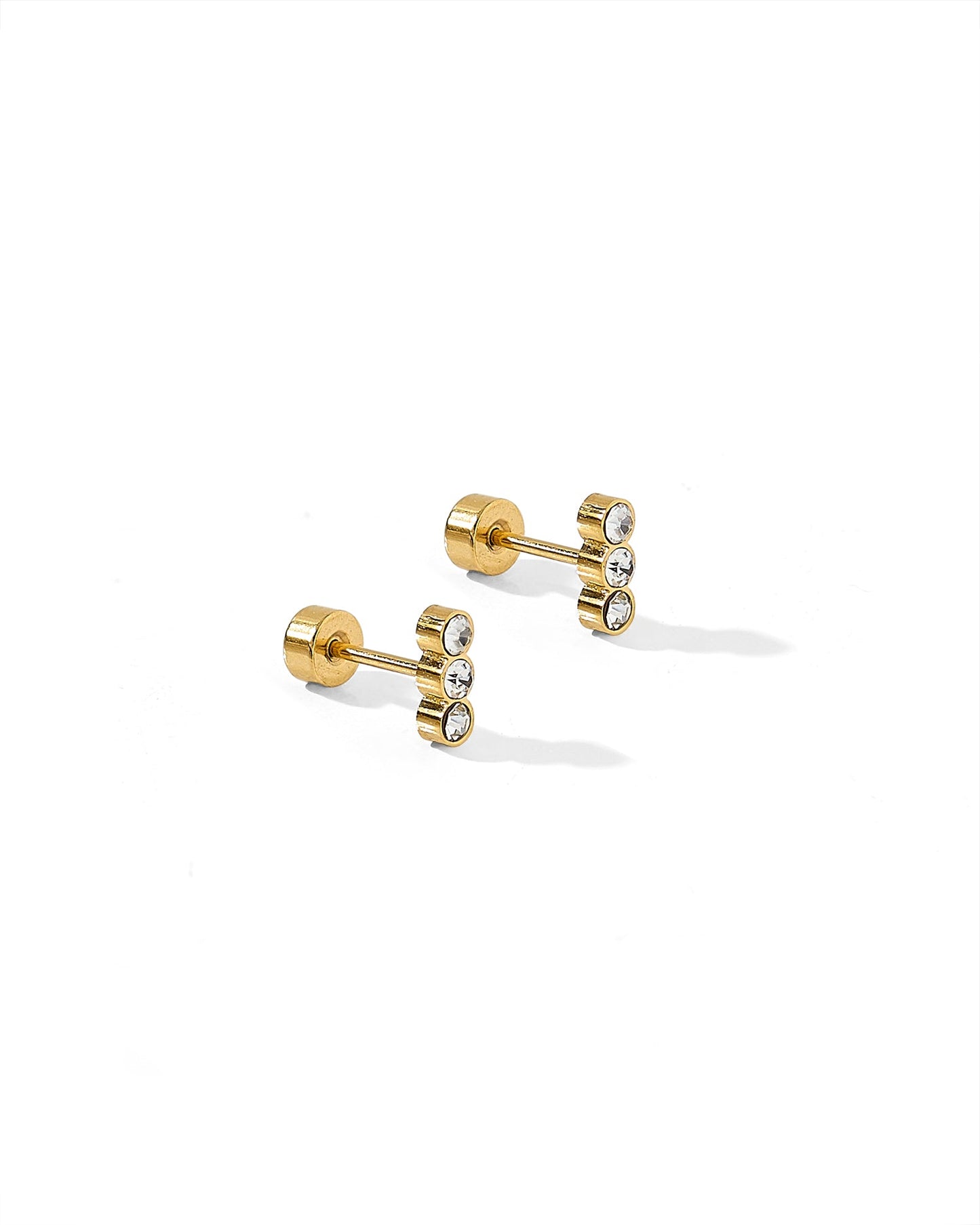
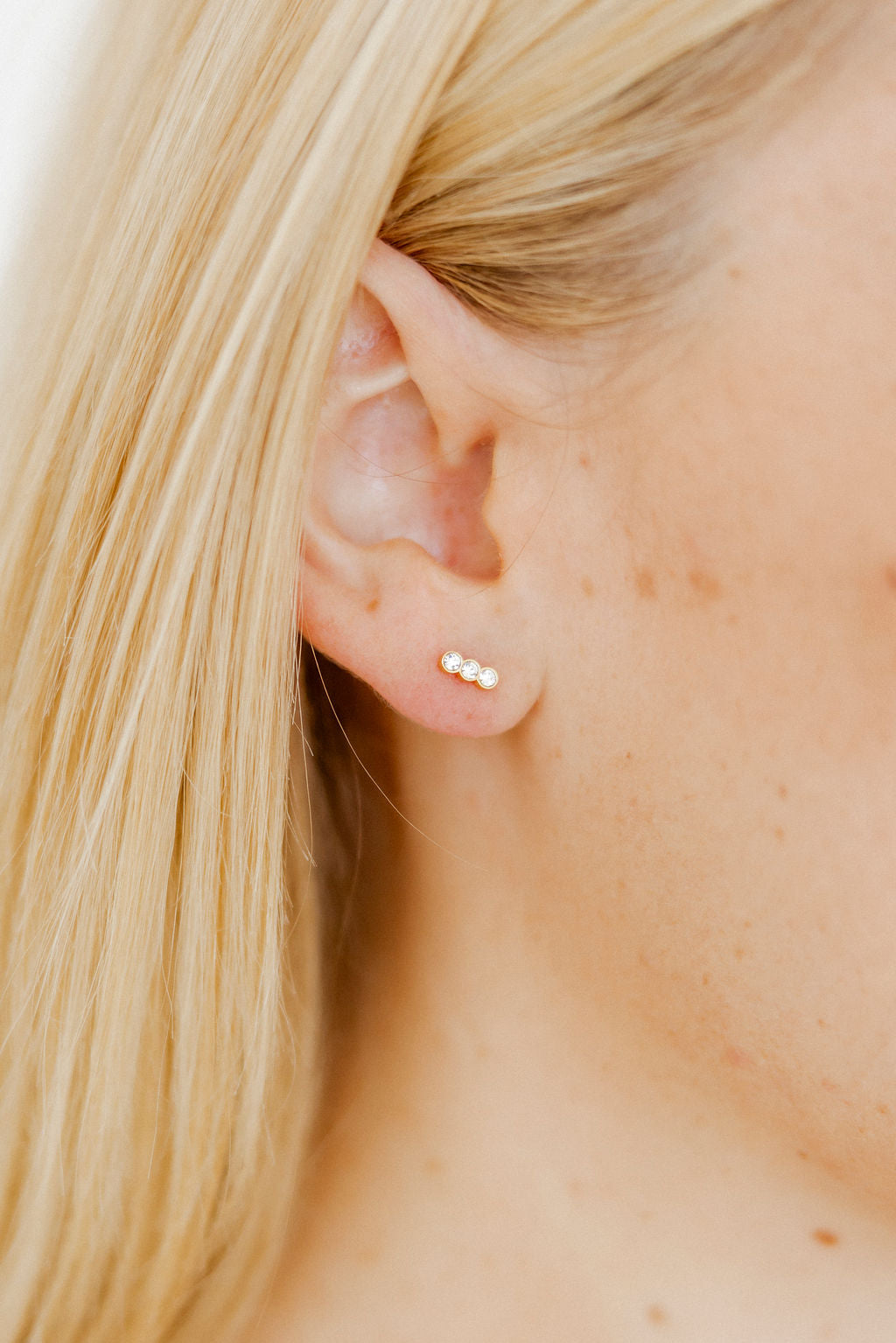
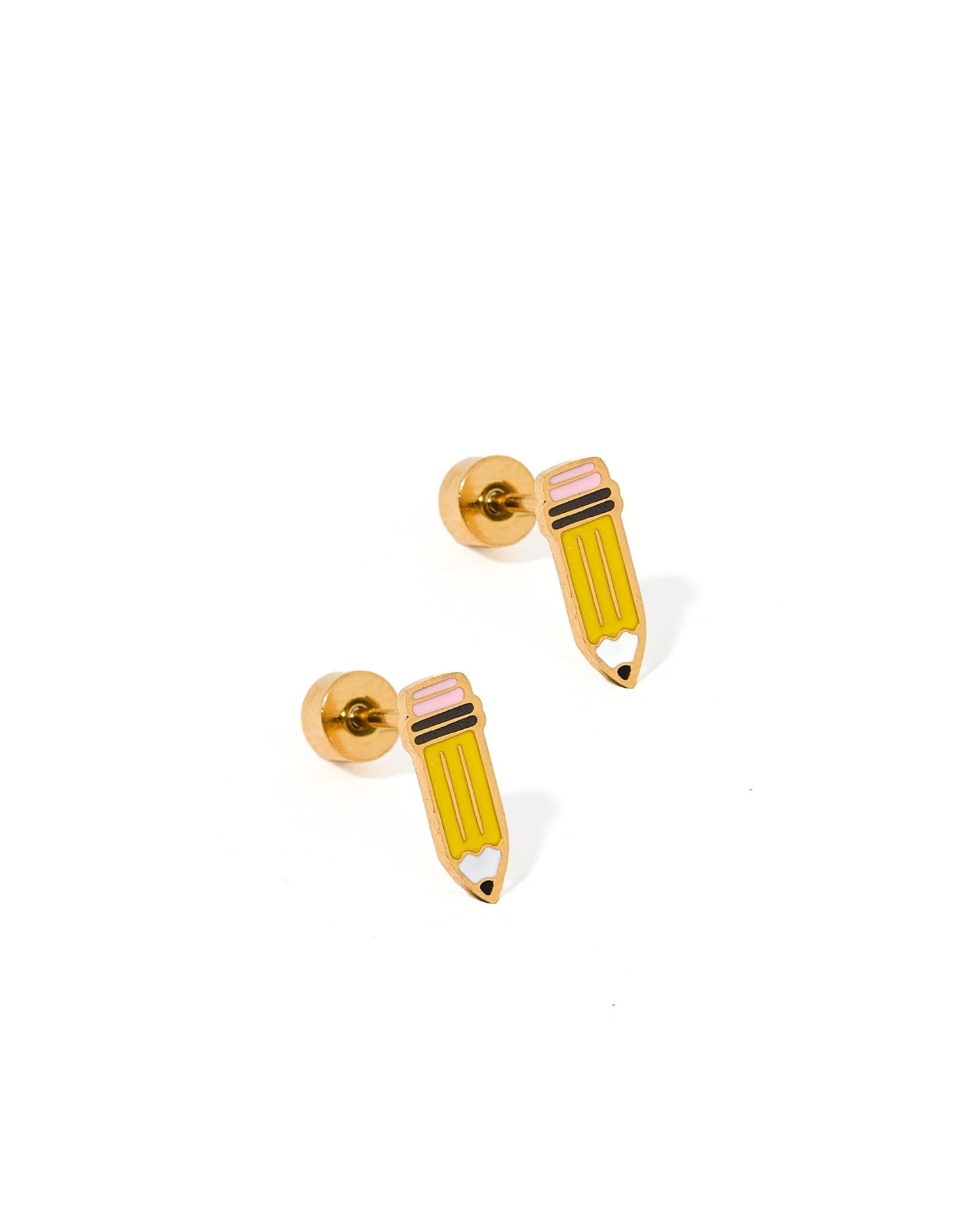
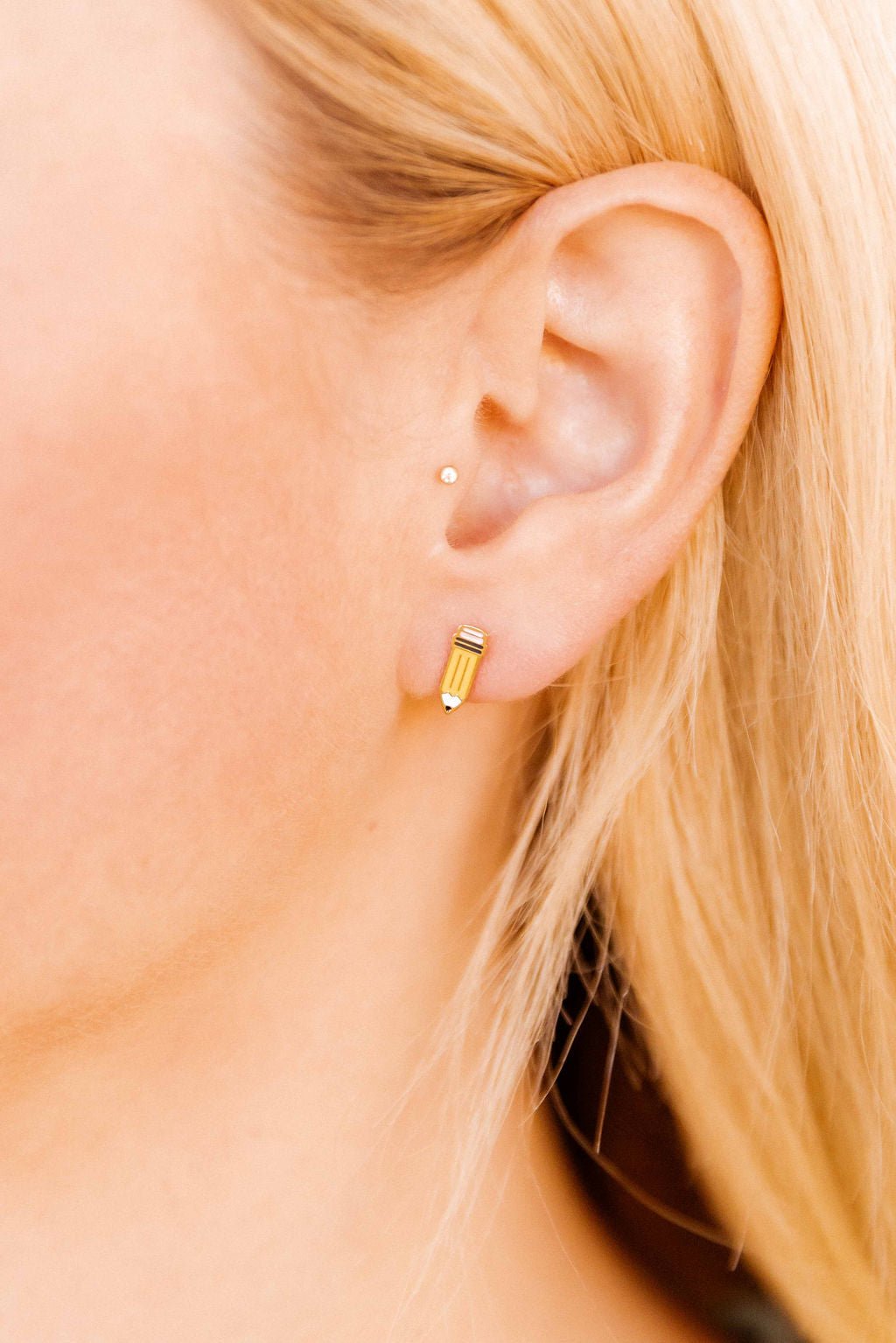
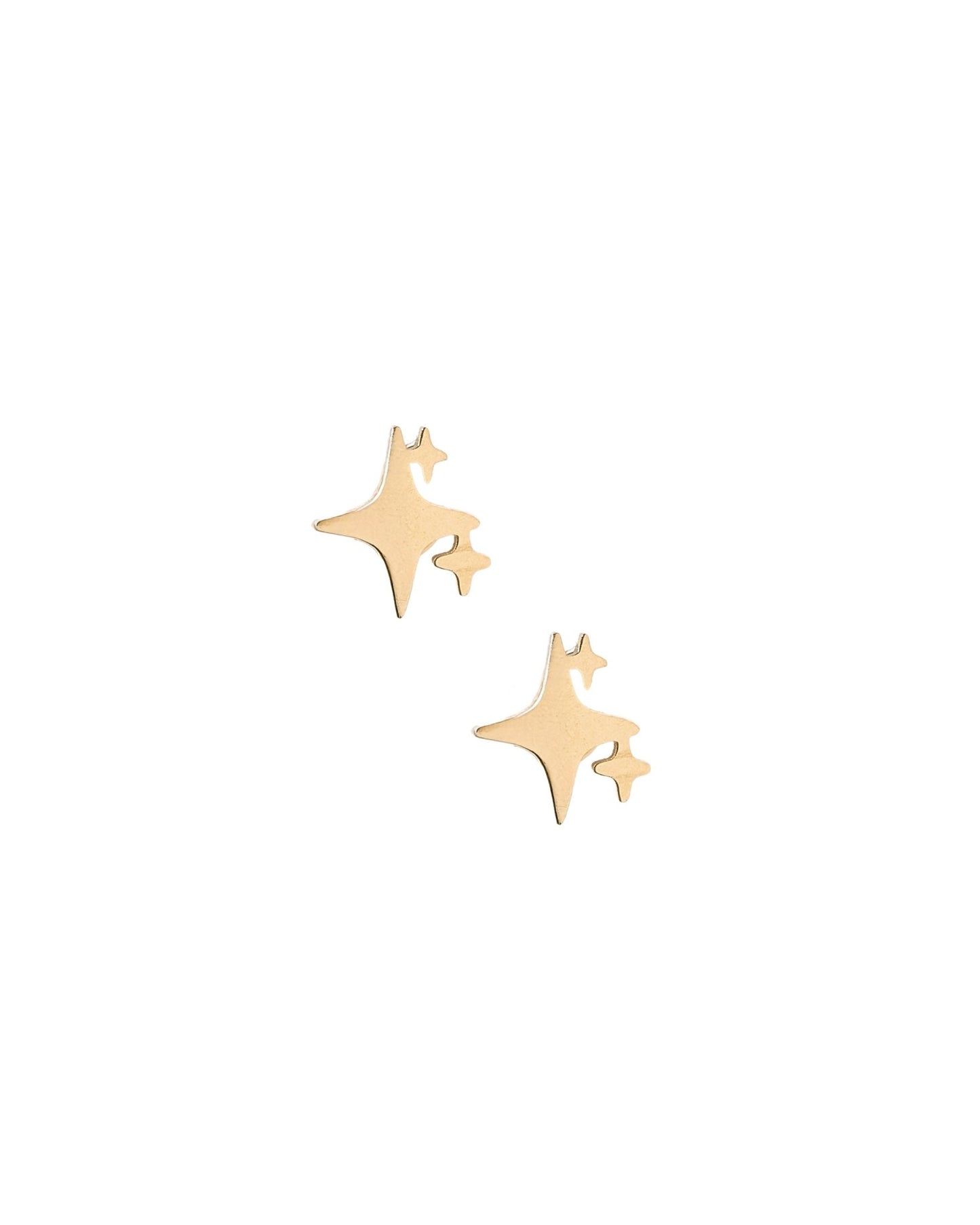
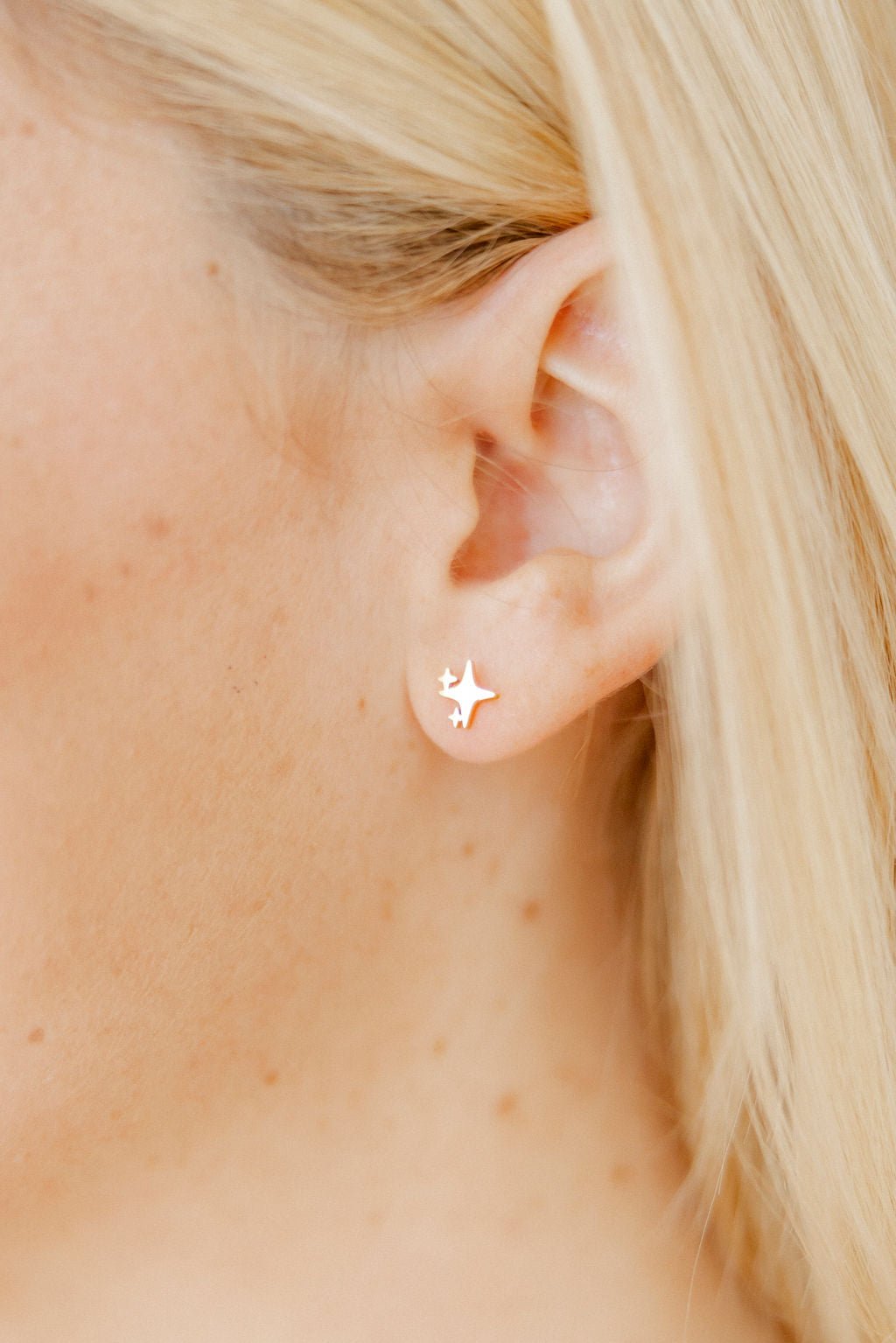
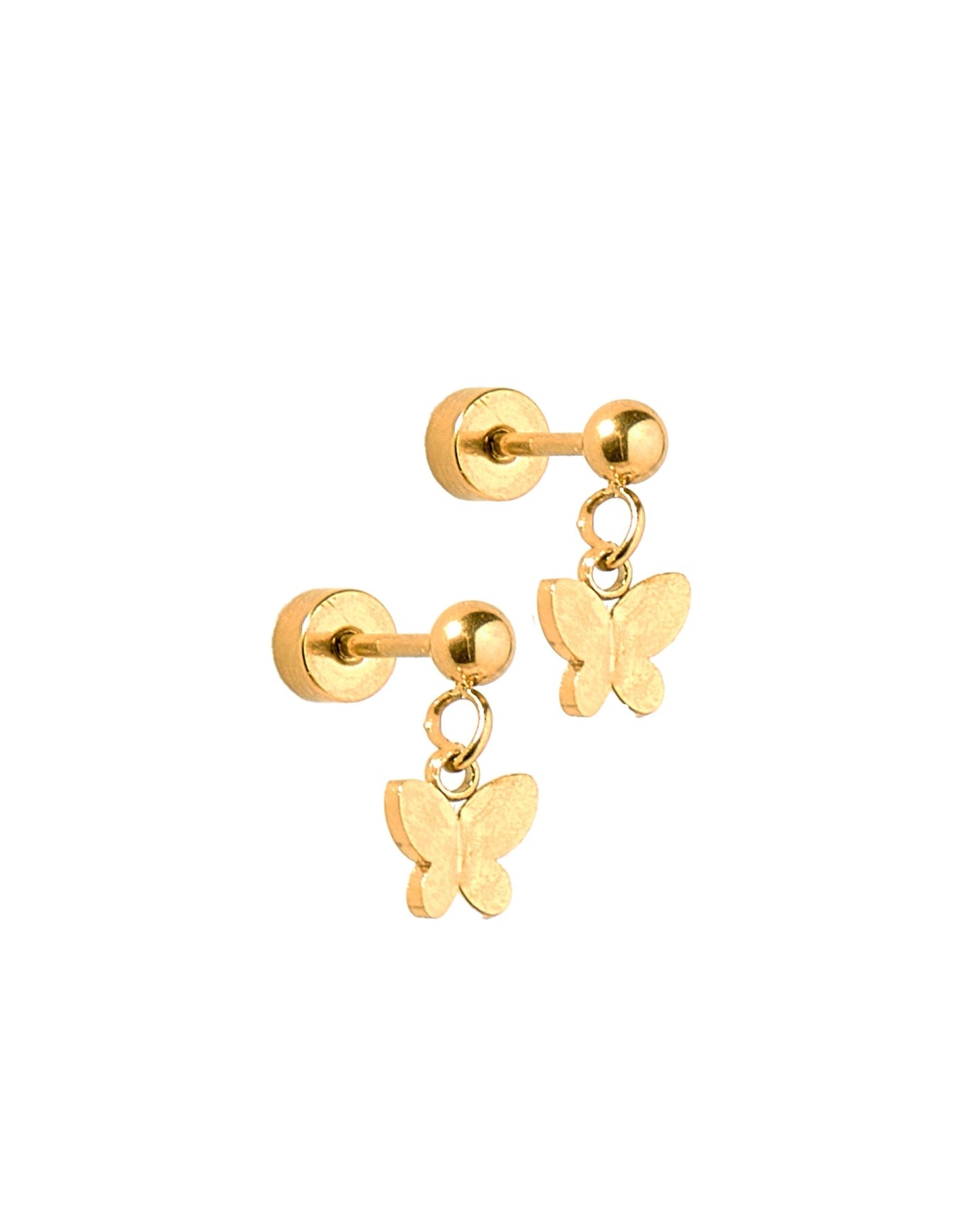
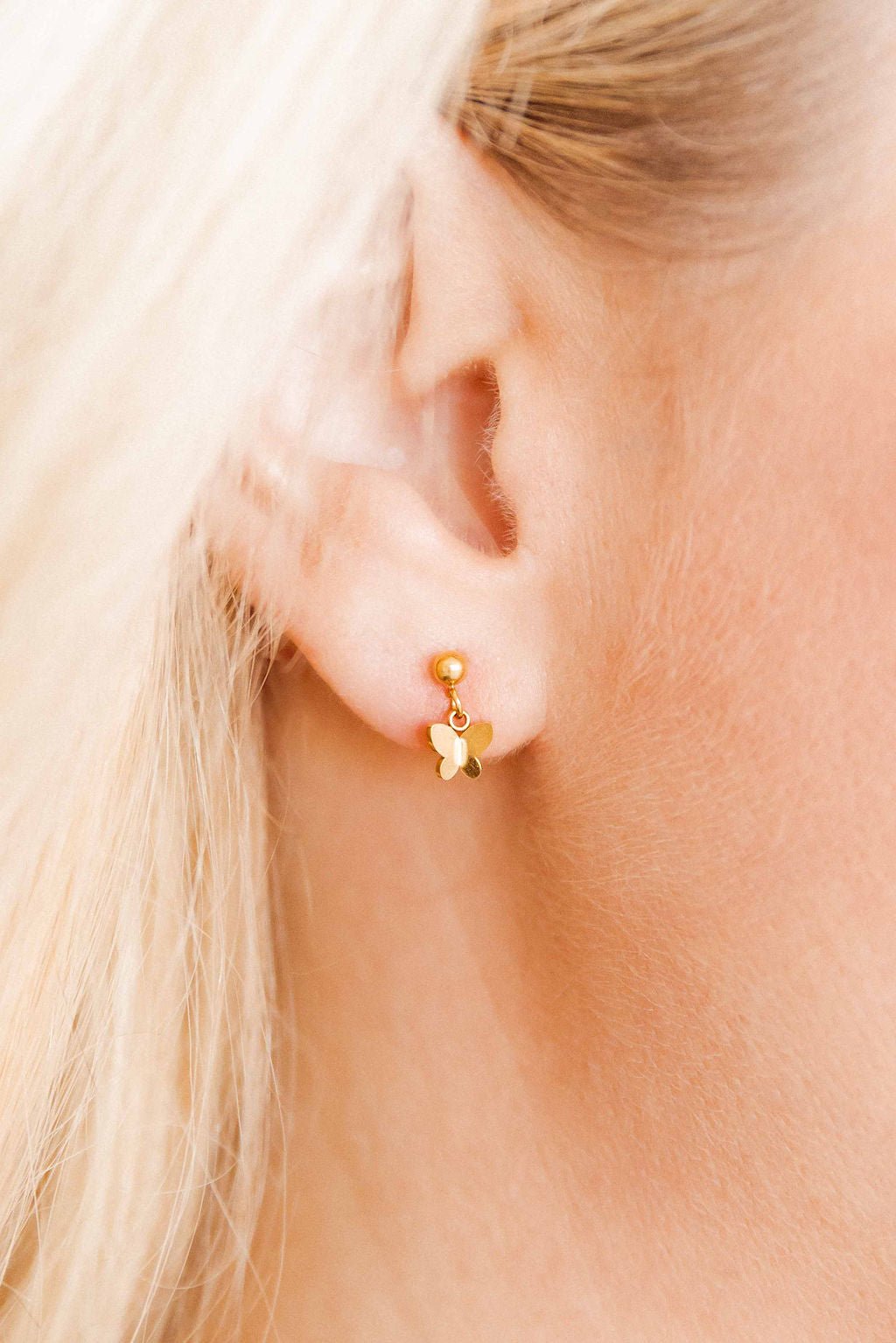
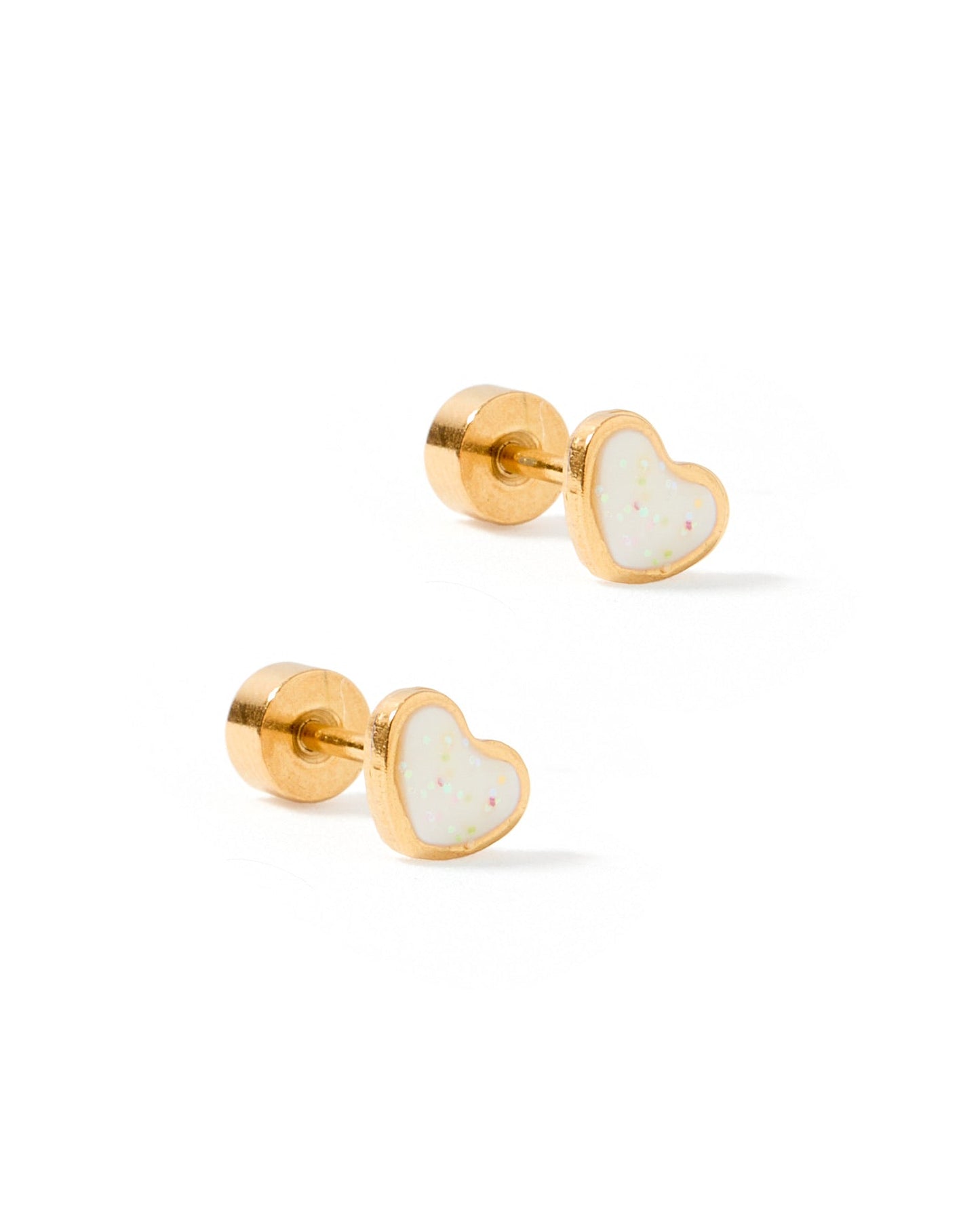
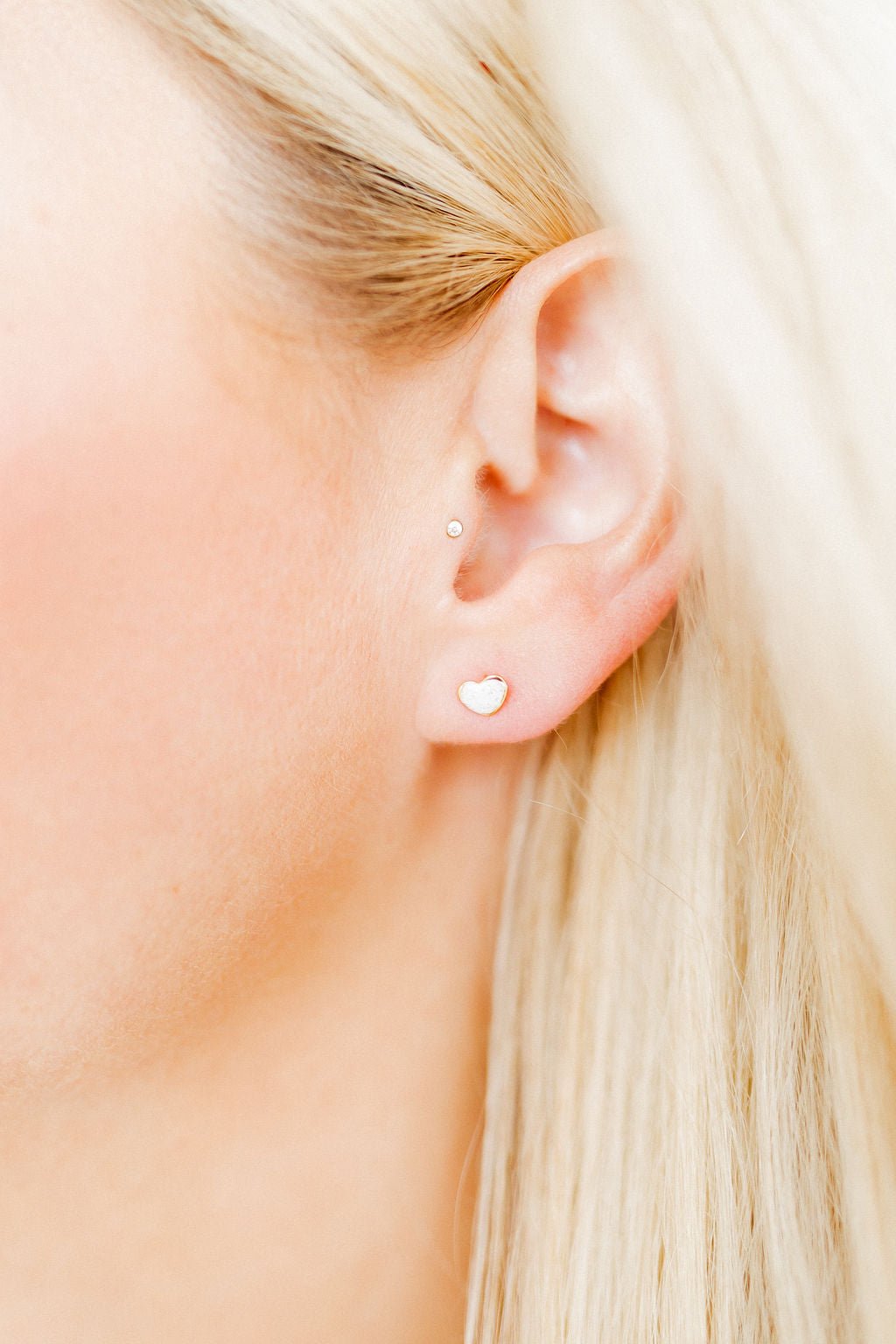
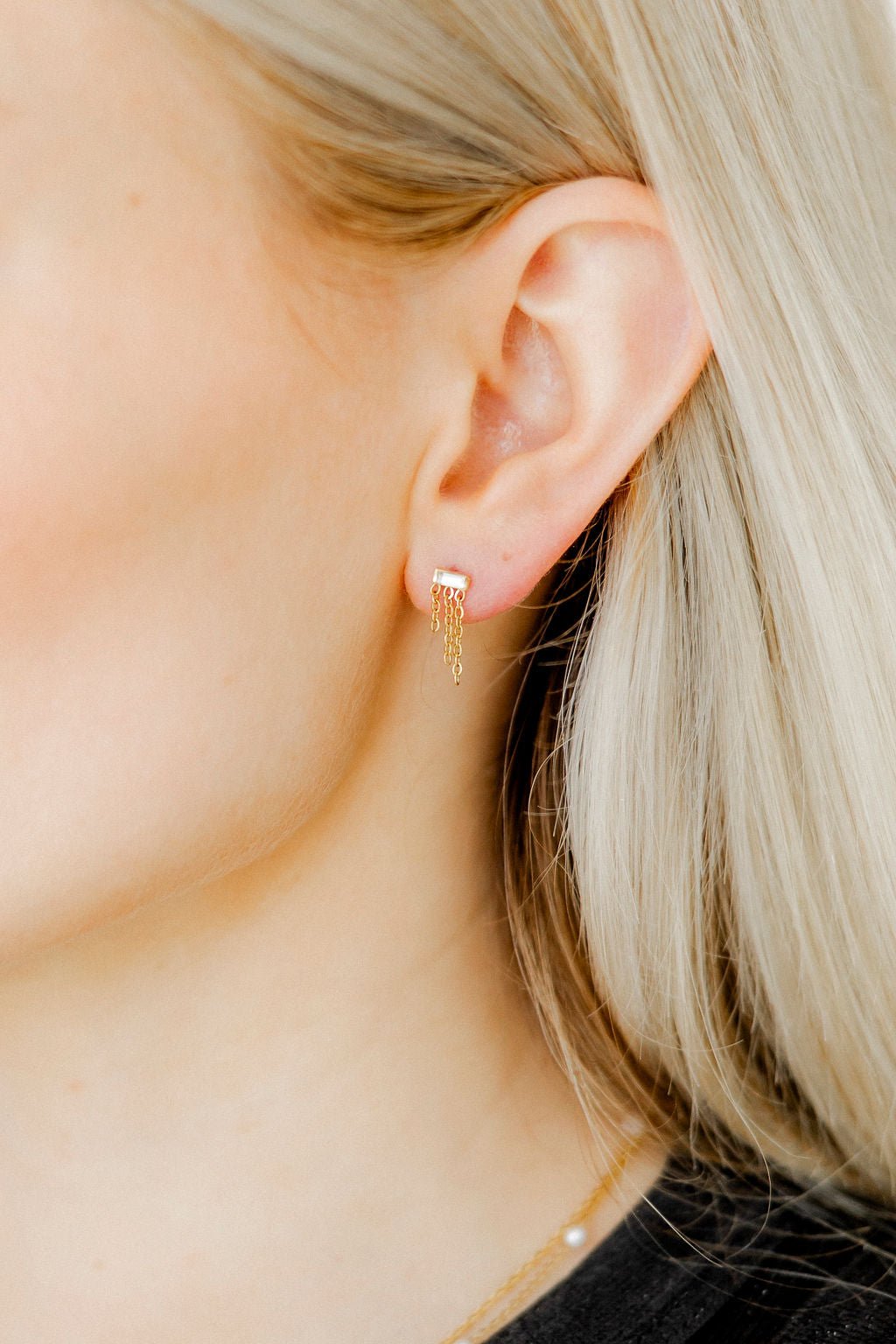
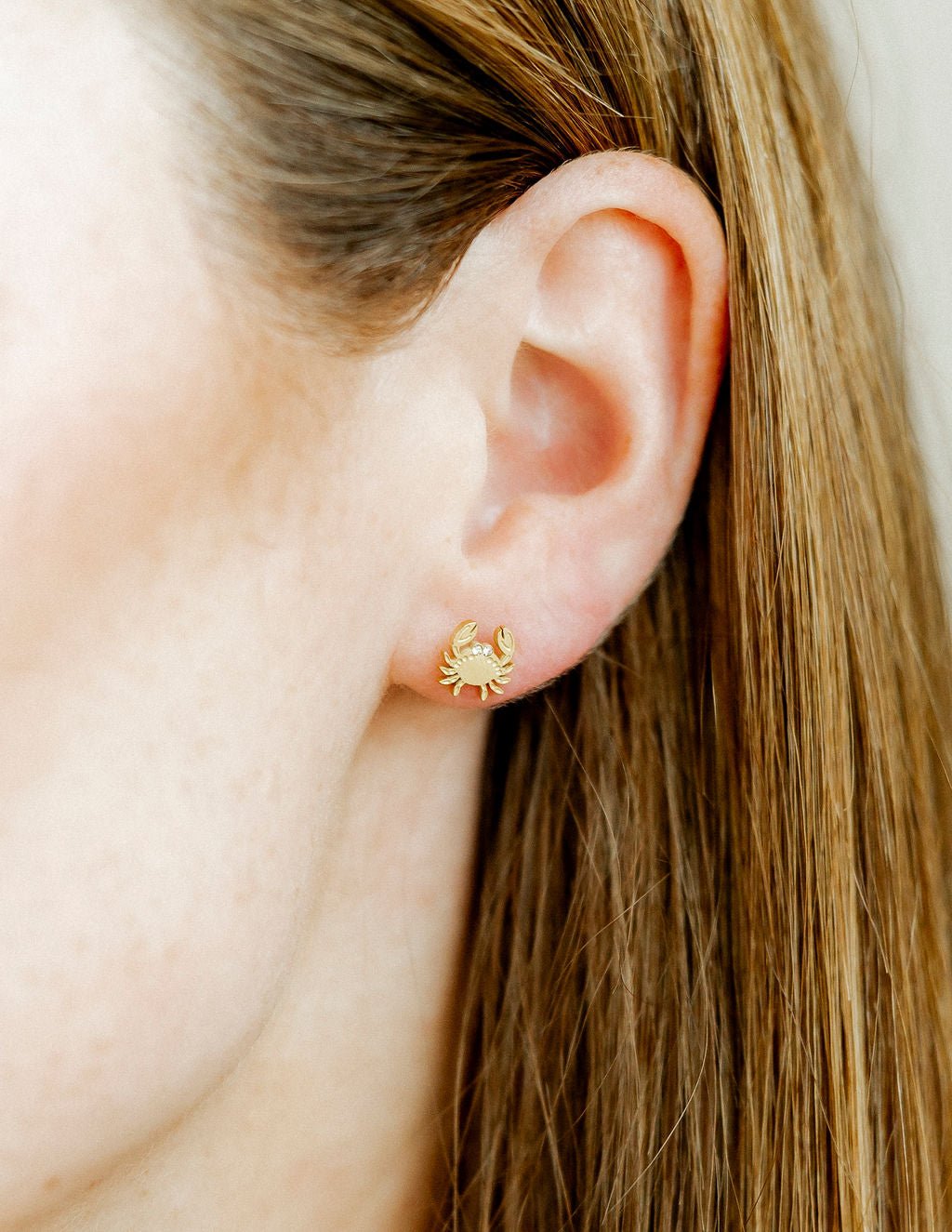
229 styles, all screw back flat backs — the post threads into a flat disc behind the lobe, so they stay put through showers, swimming and sleep. Sizes run from 3mm micros up to statement motifs.
These are gold-plated and gold-toned pieces, not solid gold and not gold-filled. Several styles state 18K gold plating in their description; each product page lists the finish for that specific style.
That distinction matters more than it sounds:
The base metal is the whole argument. Plated over brass, the piece is on a clock — the plating wears, the copper underneath oxidises, the ear goes green. Plated over 316L surgical-grade stainless steel, the part in your piercing was never going to react in the first place.
Plating is a surface. It survives water and sweat, but it wears with friction and dissolves slowly in the wrong chemicals.
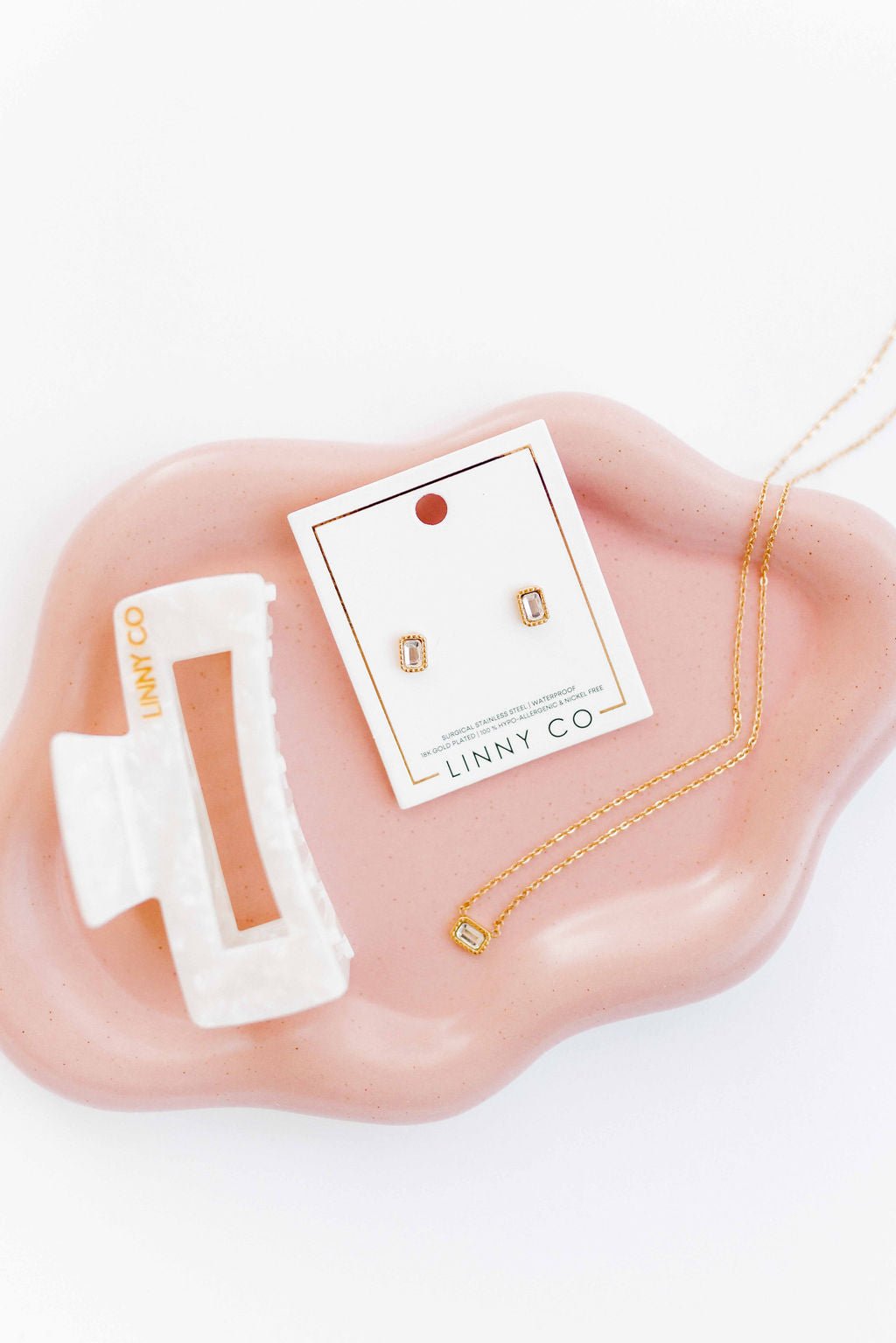
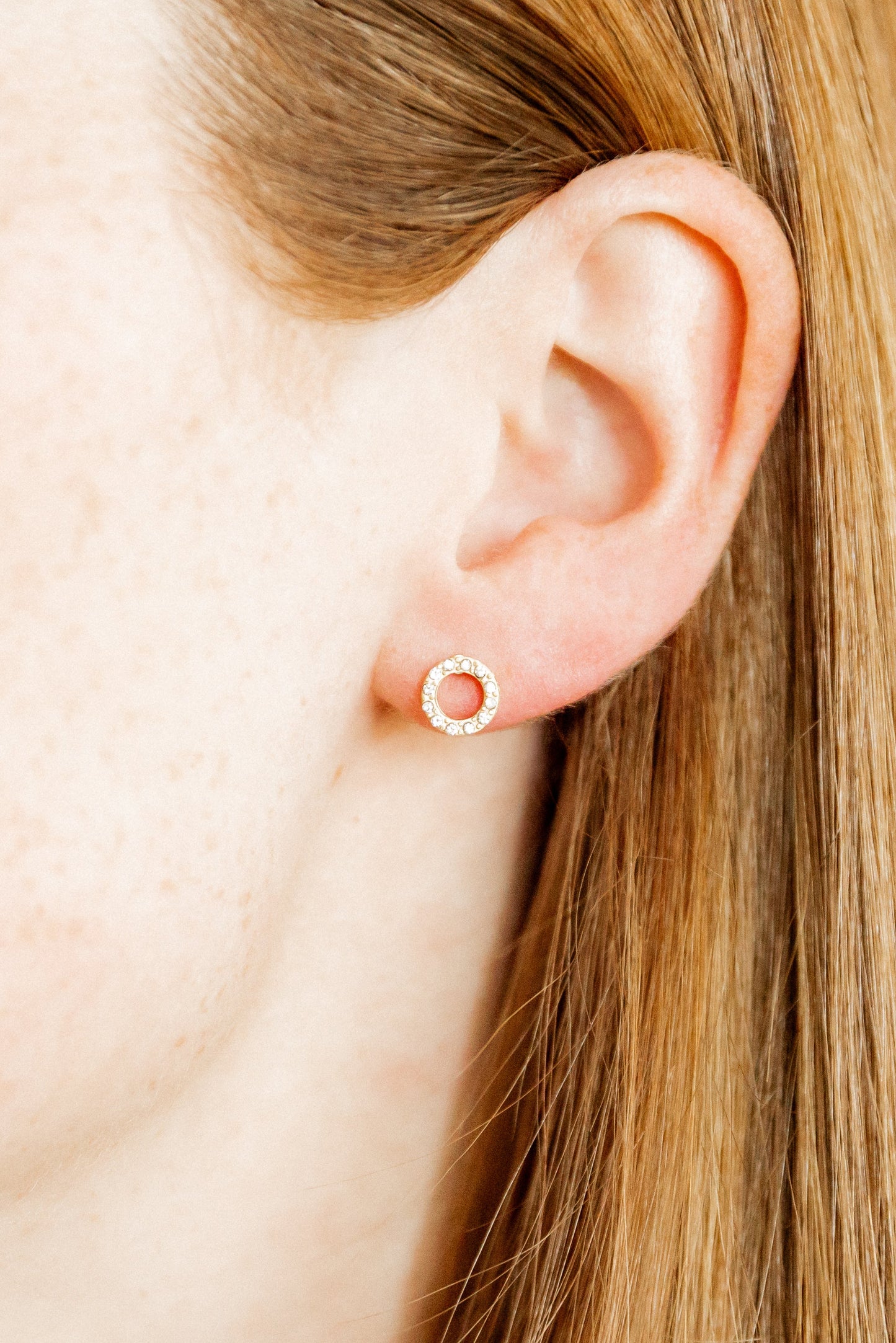
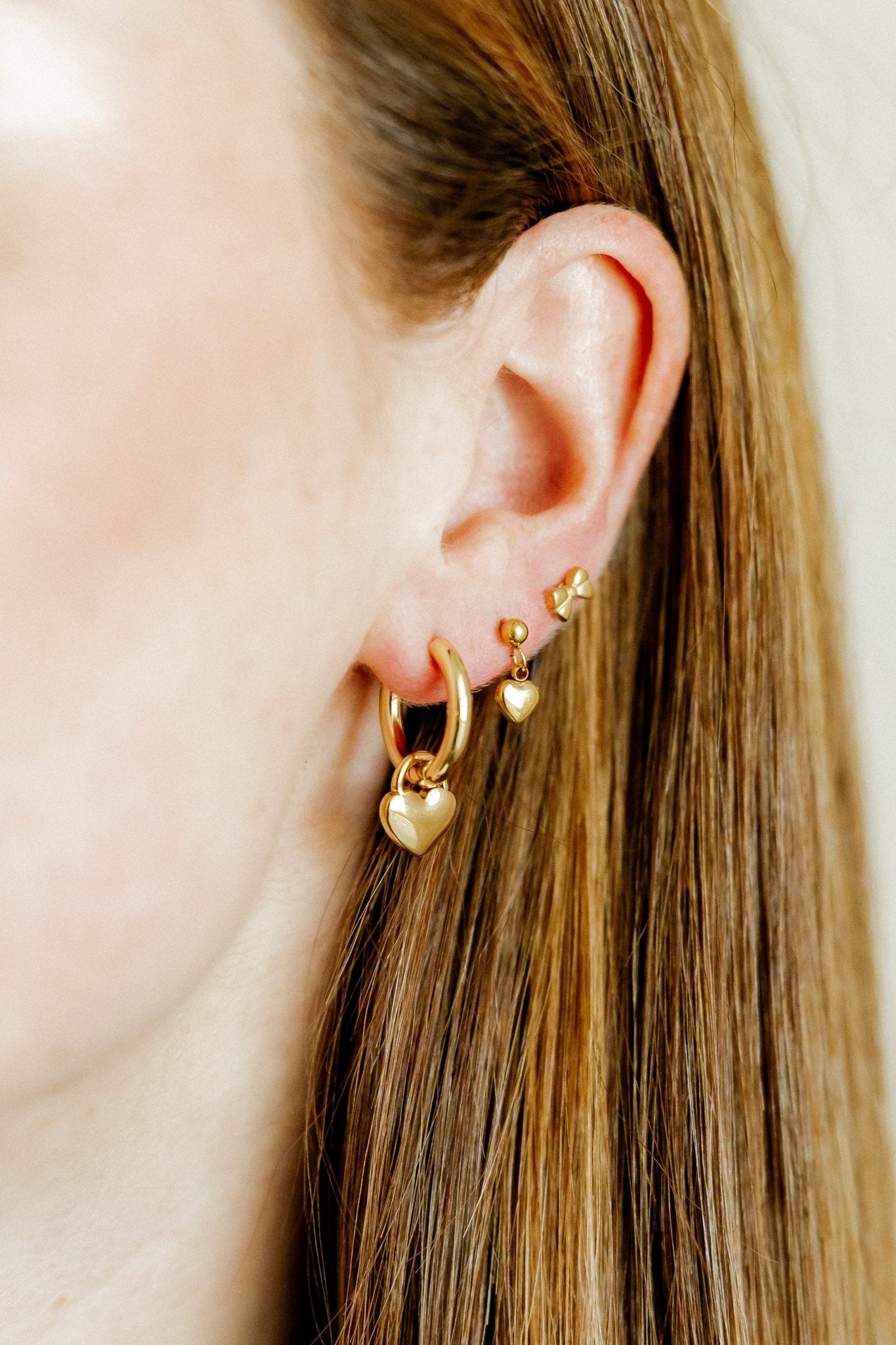
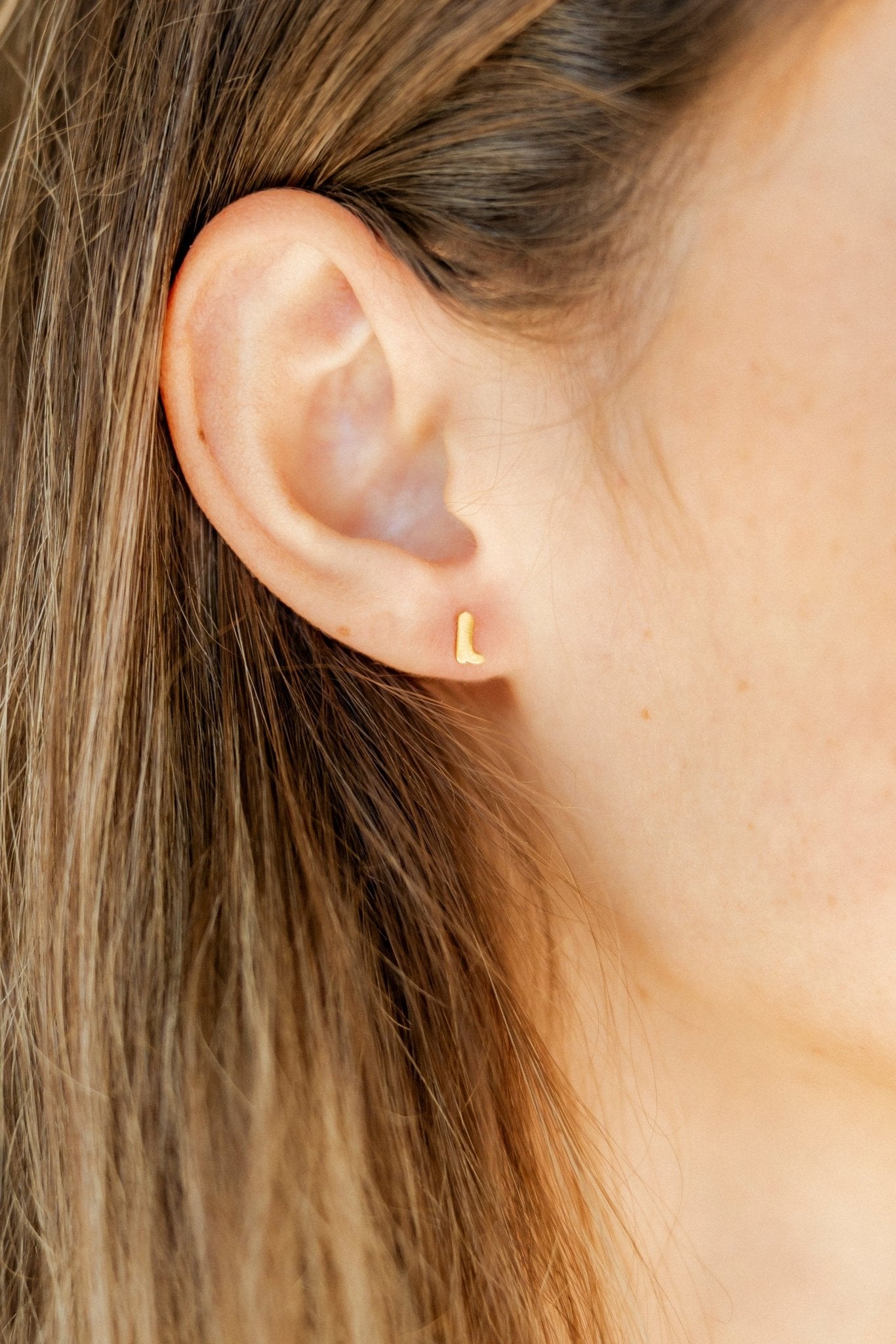
Gold huggie earrings · Gold necklaces — same finish, different product type. If you are stacking, CZ flat backs and initial studs sit naturally alongside these.
Prefer a cooler tone? The full screw back flat back collection runs to 314 styles in both gold and silver tones — fifty-five of them silver.
Further reading: what a flat back stud actually is, and whether you can sleep and shower in them.
Finish is a preference; the post is what decides a reaction, and jewelry for sensitive ears covers every finish on the same steel.
Green marks come from copper in brass oxidising against skin once plating wears through. These are plated over 316L surgical-grade stainless steel rather than brass, and the post that sits inside your piercing is that steel. Materials are listed on each product page so you can check the specific style.
Gold-plated and gold-toned, over stainless steel. Several styles state 18K plating in their description. They are not solid gold and not gold-filled, which is why the price sits where it does — and why a large motif still weighs almost nothing in the lobe.
Yes. The plating handles water, chlorine and saltwater. Rinse with fresh water afterwards and dry the ear before storing — it is the residue left sitting on the surface, rather than the water itself, that shortens the life of any plated finish.
That depends mostly on friction and chemicals rather than time. Earrings kept away from perfume, hairspray, sunscreen and abrasive polishing cloths hold their colour far longer. Because the base is stainless steel, wear shows as the finish fading rather than as a reaction on the skin.
The relevant question is what sits inside the piercing, and here that is 316L surgical-grade stainless steel designed without nickel. Nickel is the usual cause of itching, redness and weeping. Each product page lists the materials for that style so you can confirm before buying.